

BREAKING: RAPTURE RESCHEDULED DUE TO SUPPLY CHAIN ISSUES
Heavenly sources confirm that the long-awaited rapture has been delayed again—this time due to a shortage of cloud fuel and insufficient harp inventory.
An anonymous angelic spokesperson said, “We’re still trying to get the golden escalators functioning. Also, someone left the Book of Life in the copier tray again.”
In the meantime, believers are advised to:
• Keep one foot off the ground, just in case.
• Practice skydiving without a parachute.
• And definitely ignore that whole “meek shall inherit the Earth” thing—it was probably just a metaphor, right?
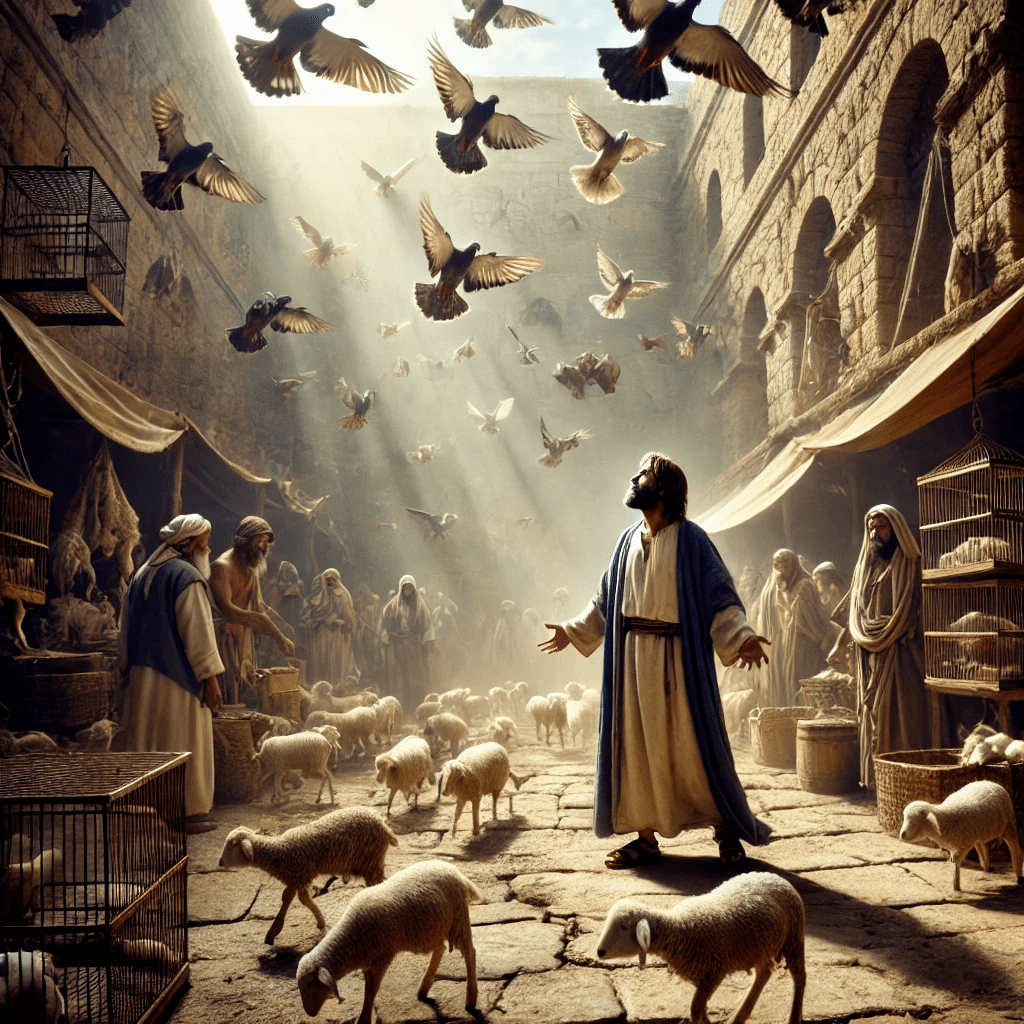
Meanwhile, Jesus is reportedly walking around the temple with a sign that reads:
“Free the lambs, not enslave them.”
He also added, “Y’all really thought I died so you could throw barbecues and wait for space Uber? C’mon.”
Seems a little ridiculous, right?
Have you ever played a game of telephone? One message whispered from person to person slowly becomes distorted, until the final version barely resembles the original.
That’s exactly what happened to the teachings of Jesus.
One of the clearest examples?
The Rapture.
Modern-day evangelical churches teach that Jesus will one day return in the clouds and snatch up all the “true believers,” leaving the rest of humanity to suffer a horrific tribulation on Earth. But here’s the truth:
The earliest Christians didn’t believe in that kind of rapture. Not even close.
Where Did the Rapture Come From?
The word rapture never appears in the Bible. The concept was first systematized in the 1830s by John Nelson Darby, a British theologian who founded a movement known as Dispensationalism. His teachings were later popularized in America through the Scofield Reference Bible (1909) and reinforced by pop culture hits like the Left Behind series.
Darby’s idea was this: the world is going to get worse and worse, and before God pours out judgment on humanity, Christians will be “caught up” into the sky—based on one ambiguous passage in 1 Thessalonians 4:17:
“Then we who are alive and remain shall be caught up together with them in the clouds to meet the Lord in the air…”
But this passage, when read in context, refers to a welcoming party—not an escape. In ancient Greco-Roman culture, people would go out to meet a visiting king and escort him back into the city. This passage wasn’t about leaving Earth—it was about welcoming the divine presence to dwell among us.
What Did the Earliest Christians Believe?
Early Christians, particularly those tied to Jewish followers of Jesus like the Ebionites and Nazarenes, didn’t long to escape the world—they longed to transform it.

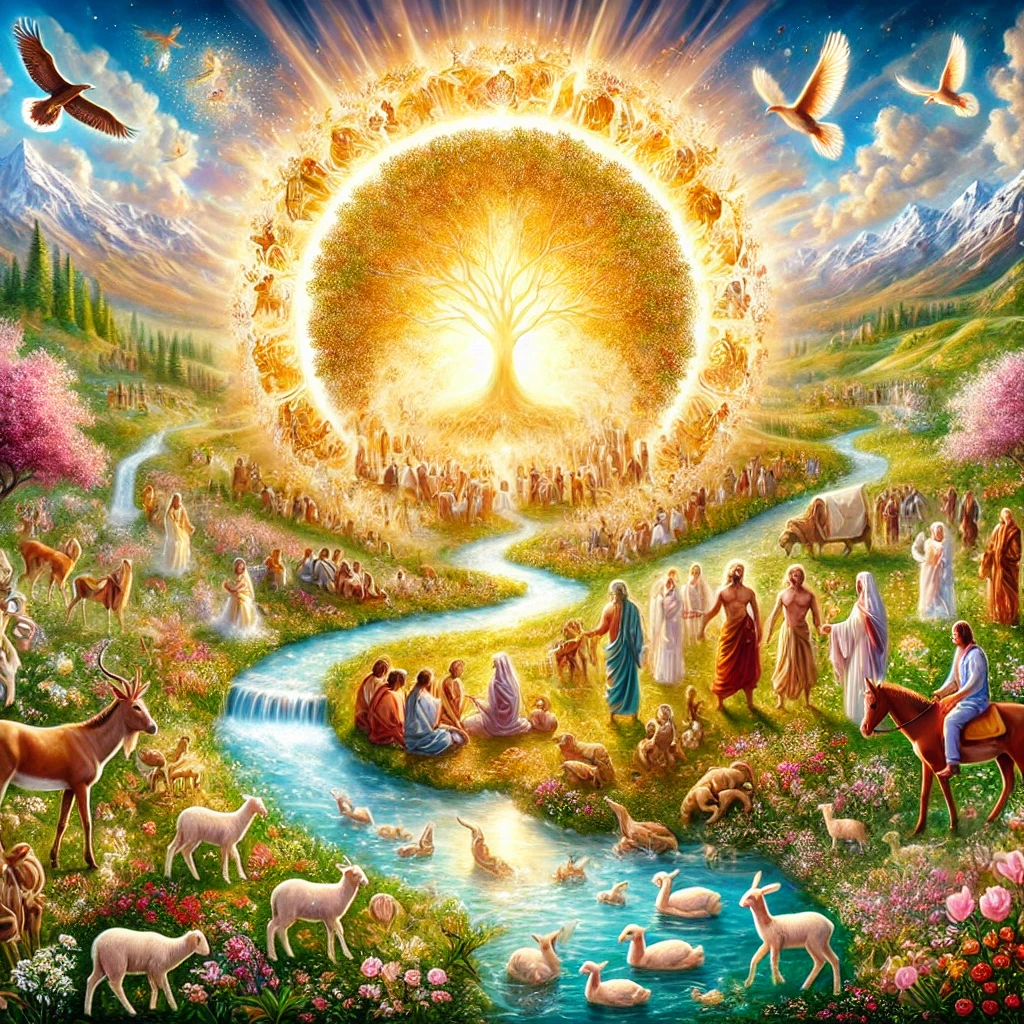
They believed in the coming of the Kingdom of Heaven—but on Earth.
“Blessed are the meek, for they shall inherit the earth.” (Matthew 5:5)
This was not a metaphor. It was a promise. The Earth wasn’t something to flee—it was something to liberate.
In The Gospel of the Holy Twelve, a restored early Christian gospel aligned with the Essenes (a mystical, peace-centered Jewish sect believed to be close to Jesus), the message is even clearer:
“The kingdom of God is within you and around you. It is not in buildings made by hands, nor in the sky to be awaited, but is now, wherever love and truth dwell.”
This aligns with Luke 17:21 in modern-day scripture:
“The kingdom of God is within you.”
Why Would Modern Evangelicals Promote the Rapture?
It’s simple: control.
If you believe the world is doomed, you won’t try to change it.
If you think Jesus is coming soon to evacuate you, why fight injustice?
Why care for the Earth, animals, the poor, or future generations?
The rapture theology promotes passivity and dependence, not liberation or courage. It also supports a form of Christian nationalism that aligns with certain interpretations of the modern state of Israel—not the people who wrestle with God (the true meaning of “Israel”)—but a political power masquerading as divine destiny.
And yet Jesus said:
“The last shall be first.” (Matthew 20:16)
“Woe to you who are rich now, for you have already received your comfort.” (Luke 6:24)
This is not about domination or escape—it’s about a sacred upside-down revolution.
The People Who Wrestle With God
The real “Israel”—in its original, spiritual meaning—is not a nation-state.
It’s a name given to Jacob, who wrestled with the divine and refused to let go until he was blessed. (Genesis 32:28)
It is those who wrestle, question, and seek truth out of the goodness of their hearts, not blind loyalty to human institutions.
Jesus was not calling people to bow to empire. He was calling people to wake up.
Returning to the Source
Modern theology is often a product of empire, fear, and control.
But the earliest teachings—those closest to the Source—are radically different.
They’re about justice. Love. Peace. Awakening.
Not escaping Earth, but redeeming it.
So the next time you hear about the rapture, ask yourself:
Is this a teaching from the heart of Christ…
or just a distorted whisper passed down through centuries of empire?
In The Lost Path to Freedom, I explore these forgotten teachings—not as history, but as living truth for today. Because the veil is lifting. The kingdom is near. And the ones who wrestle with God in love are the ones who will help heal the world.












 Julie Tourangeau