
Would France Fine Jesus for Stopping the Slaughter? Examining the Brigitte Bardot Free-Speech Scandal

By Julie Tourangeau | julietour.com

There are moments when a cultural controversy reveals far more than the headline suggests. The legal battles surrounding Brigitte Bardot are one of those moments—not because everyone agrees with her, but because of what her punishment exposes about the boundaries of conscience, dissent, and speech.

Bardot has long been labeled far right, dangerous, or racist in popular shorthand. But that framing collapses under even minimal scrutiny.

Her most controversial comments—those that led to repeated fines in France—were driven by a core obsession: her opposition to religious ritual slaughter of animals, and the exemptions that allow it to continue.

Not a rejection of human worth.

Not a call for violence.

Not an argument for cruelty toward people.

But a moral objection to practices she believed normalized suffering.

And yet, she was fined.

That should give us pause.
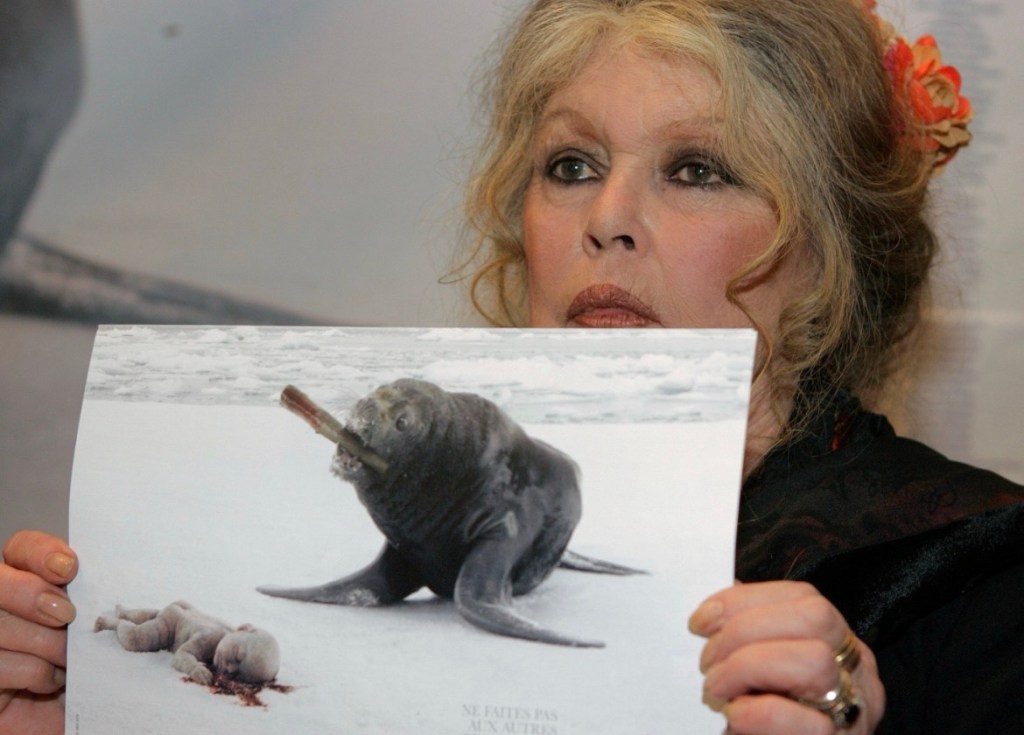
Brigitte Bardot’s activism has long centered on animal welfare—yet her speech became a criminal matter. (AFP/Fabrice Coffrini)

What Bardot Was Actually Criticizing

For decades, Bardot has been a fierce animal-rights advocate. She has criticized:

-Industrial factory farming

-State-sanctioned cruelty toward animals

-Religious exemptions that allow slaughter methods outside general animal-welfare laws

Her objections were ethical, not racial. She spoke about practices, not people. And she applied her critique consistently—across traditions, industries, and ideologies.

She has even publicly criticized American conservatism and figures on the U.S. right, complicating the lazy attempt to categorize her as some kind of ideological extremist.

And yet, in France, intent is not the threshold. Impact is.

Under French hate-speech laws, speech that is deemed to stigmatize a protected group—even indirectly—can be criminally punished. Bardot’s language, the courts ruled, crossed that line.

The result? Fines. Convictions. A legal record.

Not for inciting violence—but for offending.
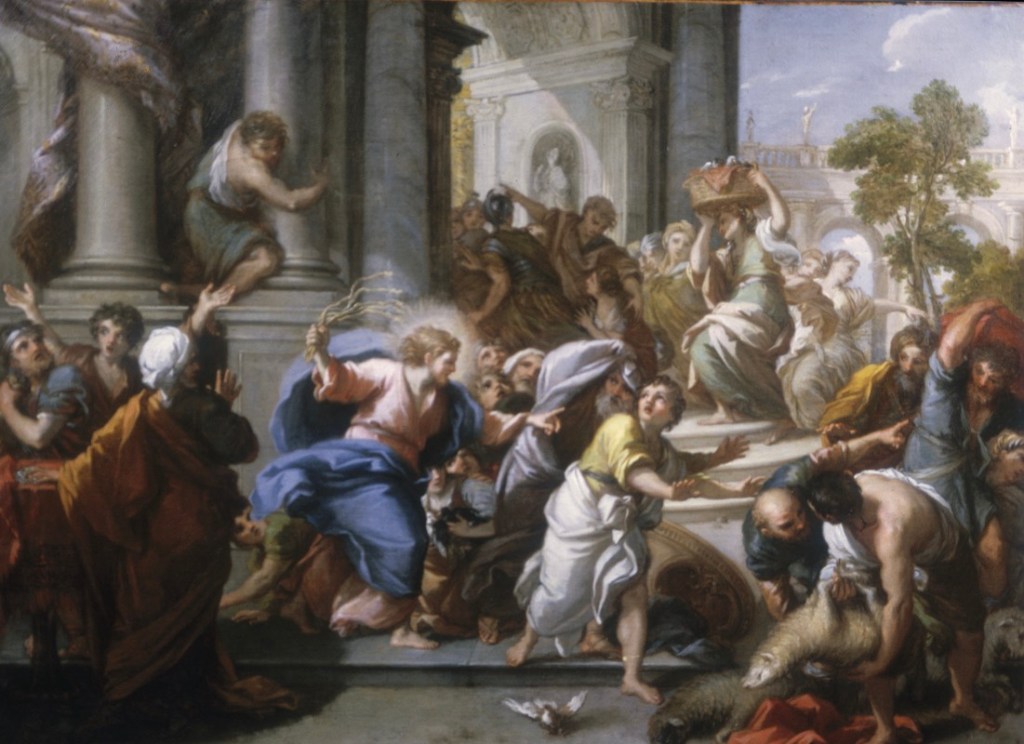
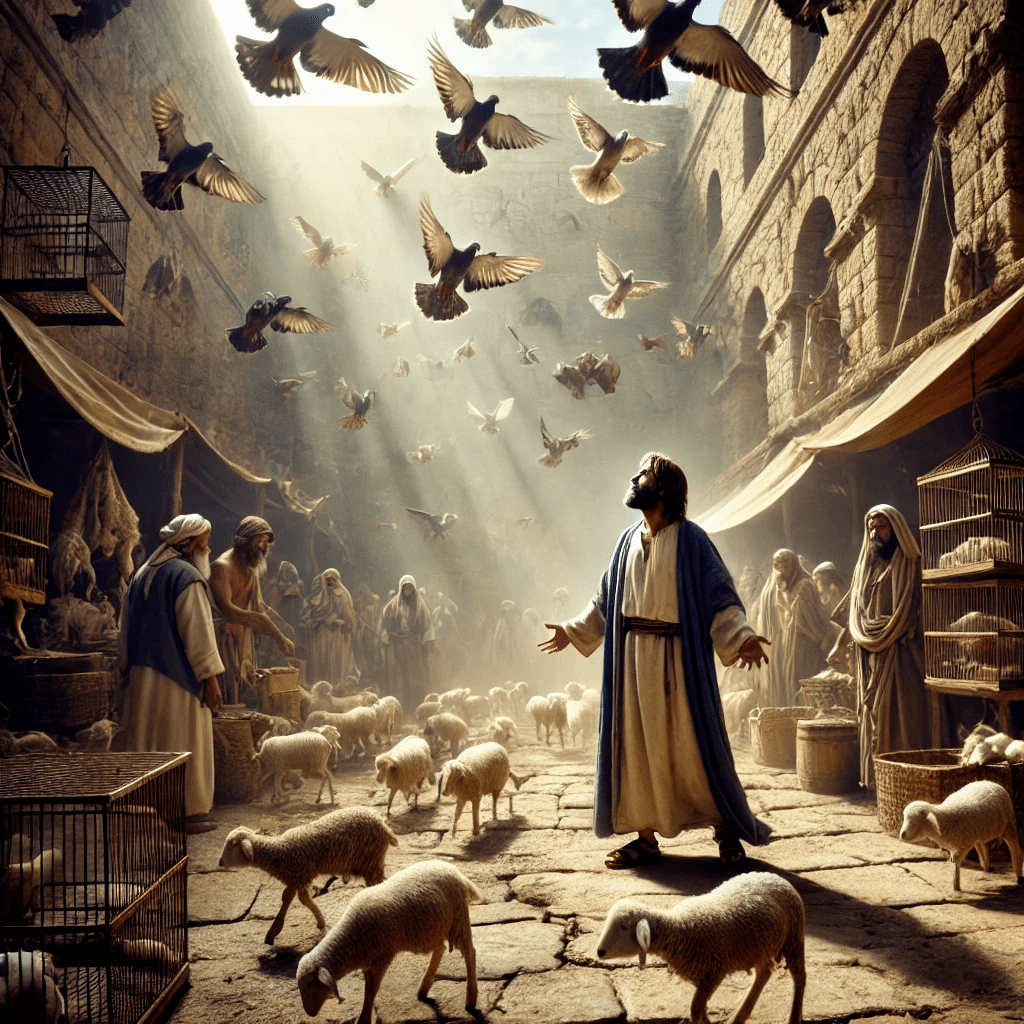
The cleansing of the temple: moral confrontation, not polite dissent.

The Question We’re Afraid to Ask

Which brings us to a question that makes many people uncomfortable—but shouldn’t.

In the Gospels, Jesus does something extraordinary. He enters the temple and disrupts what had become a sanctioned system of exploitation and slaughter. He overturns tables. He drives people out. He condemns the normalization of harm—done in the name of religion.

This was not gentle speech.

It was not neutral.

It was not “inclusive” by modern bureaucratic standards.

It was moral confrontation.

So the question becomes unavoidable:

If Jesus did that today—if he publicly condemned ritual slaughter in the name of compassion—would France fine him too?

Under current law, depending on how his words were interpreted and who felt collectively targeted, the answer is disturbingly close to yes.

That should trouble anyone who believes moral progress requires the freedom to challenge tradition.

Criticizing Practices Is Not Attacking People

Somewhere along the way, we lost a crucial distinction:

People are not practices.

You can love human beings deeply while still questioning customs, doctrines, and systems that cause harm. In fact, that is how ethical evolution has always occurred.

Religious traditions themselves are not static. Many believers—Muslim, Jewish, Christian, and otherwise—are actively debating animal welfare, compassion, and the future of ritual practices. That debate is not hatred. It is conscience at work.

Silencing it does not protect faith.

It freezes it.

When conscience meets the law, who decides what may be said?
Illustration by Matteo Giuseppe Pani / The Atlantic.

France, America, and the Limits of Speech

This controversy highlights a real and often ignored contrast.

In the United States, freedom of speech is protected precisely because it allows uncomfortable ideas to surface. The remedy for bad speech is more speech, not state punishment.

In France, the state plays a far more active role in determining what may be said when protected groups are implicated. The intention behind this is understandable—but the consequences matter.

Once speech is punished not for violence, but for moral disagreement, a dangerous precedent is set.

Because today it is an actress.

Tomorrow it could be a philosopher.

A theologian.

A reformer.

Or someone simply asking the wrong question out loud.

The Slippery Slope Is Not Theoretical

History is full of examples where moral dissent was first labeled “dangerous” before being recognized as necessary.

Abolitionists were once radical.

Women demanding the vote were once threats.

Nonviolent resistance has always made systems uncomfortable.

Jesus himself was not executed for kindness—but for disruption.

When societies conflate disagreement with bigotry, they don’t just silence extremists. They silence reformers.

A Clarification That Shouldn’t Be Necessary—But Is

For the record, and because accusations have replaced dialogue in modern discourse: I am marrying into a Muslim family. This is not about fear of the “other.” It is about preserving the right to question systems that normalize harm, regardless of who upholds them.

Ethics cannot be outsourced to tradition alone.

Compassion cannot be selectively applied.

If we lose the ability to speak honestly about that—without fines, labels, or legal threats—then freedom of conscience becomes conditional.

And history tells us where that leads.

The Question That Remains

The issue is not whether speech should be responsible.

It should be.

The issue is who decides when moral conviction becomes a crime.

Because if compassion itself becomes punishable, then yes—we should be willing to ask plainly:

Would France fine Jesus for stopping the ritual slaughter?

This essay is dedicated to the memory of Brigitte Bardot—whose uncompromising advocacy for animals forced uncomfortable but necessary questions about conscience, compassion, and the cost of speaking openly in modern society.
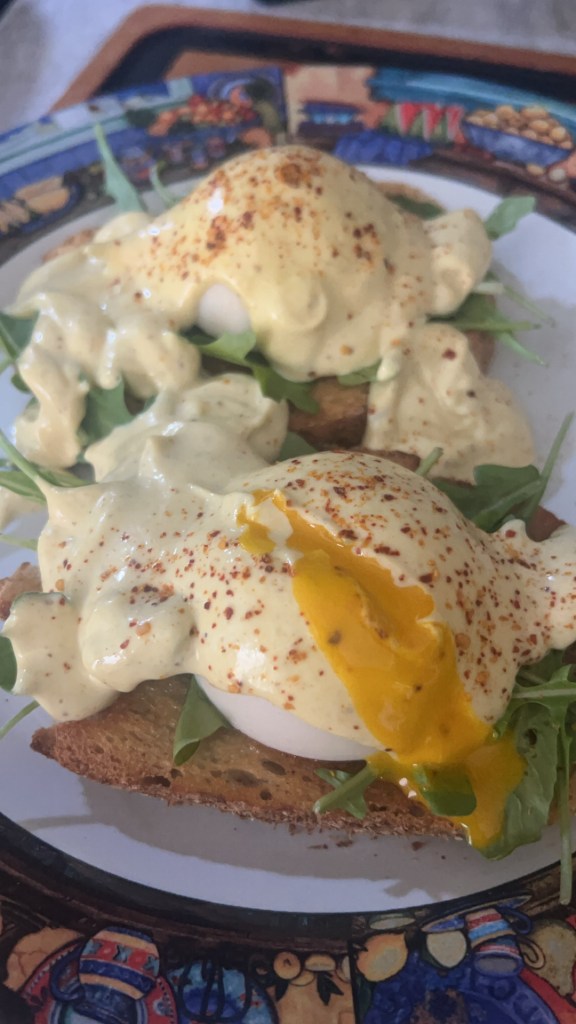
A Paris-Inspired Vegan Egg Benedict, Made at Home

By Julie Tourangeau | julietour.com

Sometimes you don’t bring Paris home by recreating it… you bring it home by trusting yourself more.

There’s a moment that happens after Paris.

Not when you land, not when the suitcase is unpacked—but a few days later, standing in your own kitchen, when your body remembers something before your mind does.

The way food felt slower there.

The way nothing was rushed or optimized.

The way a simple plate could feel intentional instead of indulgent.

I always think I’ll bring Paris home with me in big ways—new habits, new routines, a whole new version of myself. But it never works like that. What actually comes back with me are small things. Textures. Instincts. The confidence to trust my taste.

Paris has a way of reminding you that pleasure doesn’t need permission.

Eating Our Way Through Paris

Part of what made Paris linger this time was the food my fiancé and I shared.

Not just the meals themselves, but the way they unfolded—slowly, attentively, without excess. Fresh vegetables that actually tasted alive. Delectable tarts and flans that were rich without being heavy, elegant without trying. Food that didn’t shout, but stayed with you.

One Sunday, we wandered into a quaint vegan restaurant in the 11th arrondissement—the kind of place you could miss if you weren’t looking for it. Small wooden tables. Soft light. Quiet confidence. No spectacle.

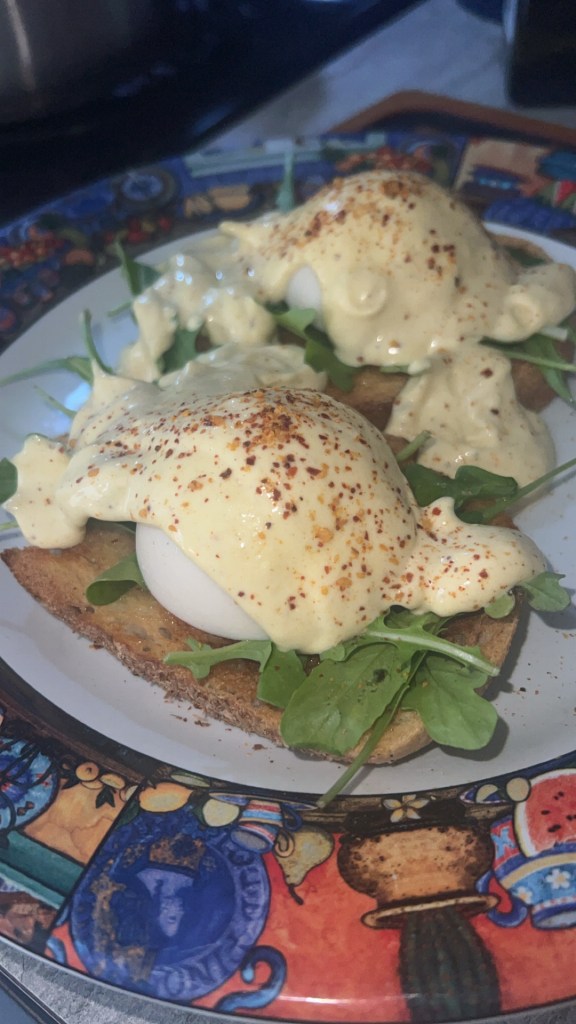
I ordered a vegan Benedict that tasted like something dreamed up, not engineered. Silky sauce. Perfect balance. Comforting without being dull. The kind of dish that makes you pause mid-bite, smile, and know you’ll be thinking about it long after the plates are cleared.

It wasn’t about novelty. It was about restraint. About trusting ingredients. About letting vegetables lead and seasoning support rather than disguise.

Sitting there together, sharing bites and glances and that unspoken this is good, I didn’t realize it at the time—but that meal would follow me home.

Vegan dreams are made of moments like that.

Je rêve.

Bringing the Feeling Home

Back in my own kitchen, that memory showed up quietly.

Buttered rustic sourdough toast. A bed of arugula. A soft vegan egg. And a sauce I didn’t measure.

I wasn’t trying to recreate Paris exactly. I wasn’t chasing “authentic.” I just wanted the feeling…that café-morning sense where food is made to be enjoyed.

So I made my own version.

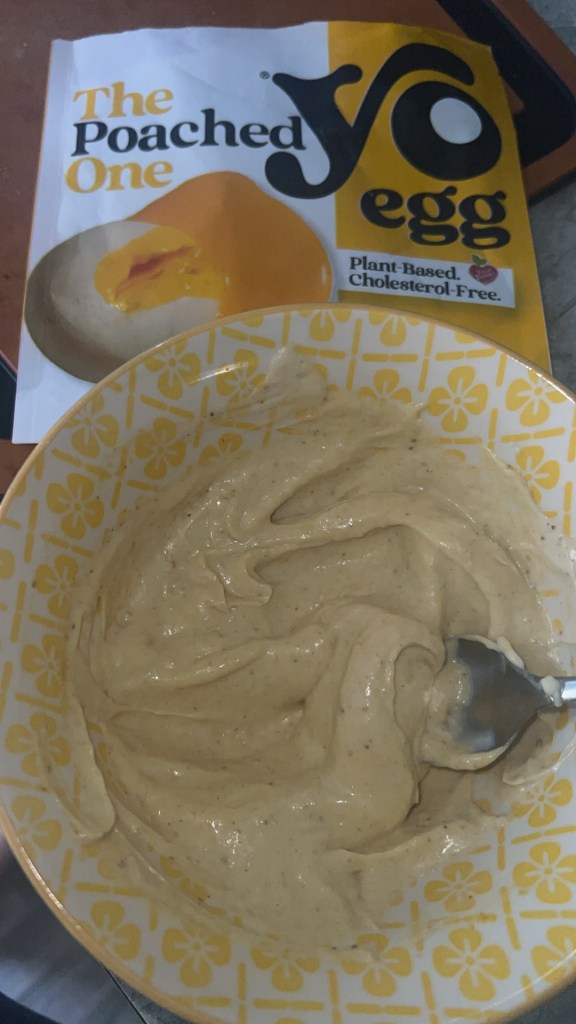
A silky, lemony sauce built from vegan mayo, mustard, nutritional yeast, and black salt—warmed gently and loosened with a touch of water. A dusting of piment d’Espelette, because once you’ve used it in France, you never forget it.

Was it Parisian?

Not technically.

But it felt right.

That’s what Paris teaches you if you’re paying attention: you don’t bring it home by copying it. You bring it home by trusting yourself more.

By letting intuition lead instead of rules.

By choosing what feels good over what’s correct.

By understanding that my version isn’t a compromise—it’s the point.

This wasn’t really about eggs Benedict. It was about remembering that pleasure can live in your own kitchen. That you don’t need a reservation, or a plane ticket, or a €12 coffee to feel nourished.

Paris reminds you who you are.

Home is where you practice it.

And sometimes that practice looks like standing barefoot at the counter, sauce still warm, thinking:

Yeah. This is good. Magnifique.

Paris-Inspired Vegan Egg Benedict (My Way)

A flexible, intuitive recipe — adjust by taste, not rules.

Ingredients

• Toasted bread of choice, buttered

• Fresh arugula

• Vegan egg (such as Serve Yo Egg), prepared according to package instructions

Silky Vegan Hollandaise-Style Sauce

• ¼ cup vegan mayo

• 1½–2 teaspoons lemon juice

• ½ teaspoon yellow mustard (or more to taste)

• ½–1 teaspoon nutritional yeast

• Pinch of black salt (kala namak), to taste

• ½–1 teaspoon warm water (for silkiness and warmth)

• Piment d’Espelette, for finishing

Method

1. Make the sauce:
In a small bowl, whisk the vegan mayo and mustard until smooth. Slowly add lemon juice, then nutritional yeast. Add warm water a little at a time until the sauce becomes glossy and spoonable. Season gently with black salt.

2. Assemble:
Layer arugula onto buttered toast. Add the warm vegan egg. Spoon the sauce generously over the top.

3. Finish:
Dust lightly with piment d’Espelette. Serve immediately, while everything is warm and relaxed.

Bon appétit 😋

The Forgotten Gospel Reclaimed: A New Look at The Gospel of the Holy Twelve

I read The Gospel of the Holy Twelve front to back after having a spiritual moment in France that made me question the origins of Christianity. I couldn’t put it down. It resonated with the Holy Spirit that dwells within me, deeper than any sermon or scripture I had encountered growing up. I was raised a vegetarian Catholic, yet I never knew there were early Christian teachings that not only supported this lifestyle but embodied it. I had never been told that reincarnation was plausible… or that a vegetarian Jesus was very likely. These truths had been hidden… but once I saw them, I couldn’t unsee them.

For centuries, Christianity has been presented through the lens of empire, tradition, and convenience. But what if the original teachings of Jesus were far more radical… far more compassionate… than we’ve been led to believe? What if Christianity, at its very roots, was a vegan movement?

That’s the bold yet spiritually grounded claim made in The Gospel of the Holy Twelve, a recovered text translated by Reverend Gideon Jasper Ouseley in the late 19th century. Ouseley claimed he had access to ancient Aramaic manuscripts preserved by a secret brotherhood, which offered a truer, unedited version of Jesus’ life and message. While the origins of the manuscript remain controversial, the gospel’s teachings align strikingly with what we know of early Jewish-Christian sects, particularly the Ebionites and the Essenes (Eisenman, James the Brother of Jesus, 1997).

In this gospel, Jesus stands not only as a healer and teacher but as an advocate for all sentient life. He does not bless the slaughter of animals… he condemns it. He does not multiply fish… he frees them. And he declares, “They who partake of benefits which are gotten by wronging one of God’s creatures, cannot be righteous: nor can they touch holy things, or teach the mysteries of the kingdom.” (Ouseley, The Gospel of the Holy Twelve, Lection XLVI)

Rooted in Early Tradition

Though The Gospel of the Holy Twelve is not part of the modern biblical canon, its tone and teachings are not without historical merit. Ouseley and others believed it to reflect the original Hebrew Gospel referenced by early Church Fathers like Jerome, who wrote of a “Gospel of the Hebrews” used by Jewish-Christian groups (Jerome, De Viris Illustribus, 3).

These groups, including the Ebionites and the Nazarenes, believed Jesus came not to abolish Jewish law but to fulfill it through love and nonviolence (Eusebius, Ecclesiastical History, Book III). They rejected blood sacrifice, practiced vegetarianism, and upheld a mystical form of Judaism centered around compassion and purity. The Church Father Epiphanius, though critical, confirmed the Ebionites’ vegetarianism and rejection of temple sacrifice (Panarion, 30.15.3).

The broader context of these communities was later supported by discoveries like the Dead Sea Scrolls. Found between 1947 and 1956 near Qumran, the scrolls revealed a rich diversity of Jewish sects in the Second Temple period, many of whom—especially the Essenes—emphasized spiritual law, nonviolence, ritual purity, and apocalyptic expectations. Scholars such as Geza Vermes and Elaine Pagels have argued that the scrolls lend credibility to the existence of early traditions outside the later Christian orthodoxy (Vermes, The Complete Dead Sea Scrolls in English, 2004; Pagels, The Gnostic Gospels, 1979).

When Empire Meets Religion

The Jesus portrayed in The Gospel of the Holy Twelve is far removed from the sanitized, empire-friendly figure canonized under Constantine. By the fourth century, Christianity was institutionalized under the Roman Empire. With the Council of Nicaea (325 AD) and subsequent imperial sponsorship, the faith became increasingly aligned with hierarchy, sacrifice, and patriarchy.

This shift has been documented by historians such as Bart Ehrman and Karen Armstrong, who show how early diversity in Christian theology was gradually suppressed as the church merged with imperial power (Ehrman, Lost Christianities, 2003; Armstrong, The Battle for God, 2000). The radical, liberating message of the original Jesus movement—rooted in inner transformation and justice for the marginalized—was traded for control, conformity, and obedience.

The teachings found in The Gospel of the Holy Twelve directly challenge this evolution. In one passage, Jesus drives the animal sellers from the temple—not merely for commercializing religion, but for desecrating life itself. “Ye have made the House of Prayer a den of thieves, and filled it with cruelty and blood,” he says (Ouseley, Lection XXXIV). Notably, the word “thieves” in the original Hebrew could also be rendered as “violent ones” (Strong’s Concordance, H2555 – chamas), reinforcing this interpretation.

A Logos of Compassion

In the text, Jesus speaks of the “Holy Law” written not on scrolls, but in the heart—echoing the Jewish prophetic tradition (Jeremiah 31:33). He embodies the Logos not as doctrine, but as a way of life grounded in reverence for all creation. This connects not only to early Jewish mysticism, but to figures like St. Francis of Assisi, who called animals his brothers and sisters, and rejected worldly power in favor of divine simplicity.

Indeed, The Gospel of the Holy Twelve suggests that spiritual awakening is inseparable from ethical living. This idea, though controversial to institutional religion, resonates with mystical traditions across faiths—including Kabbalah, Sufism, and Eastern philosophies, all of which honor the sacred interdependence of life.

A Christianity Worth Returning To

What would Christianity look like if we re-centered it around this compassionate Christ? Around a Jesus who called for mercy, not sacrifice (Hosea 6:6, quoted by Jesus in Matthew 9:13)… who broke chains, not breaded fish… who lived in harmony with creation rather than domination over it?

Many are beginning to ask this question—not out of rebellion, but out of a deep spiritual longing to reclaim what was lost.

We may never fully prove the historical origin of The Gospel of the Holy Twelve. But history alone doesn’t determine truth. As Jesus said, “Ye shall know them by their fruits” (Matthew 7:16). And if truth bears good fruit—if it leads to greater compassion, justice, and unity—then the gospel’s message is one worth listening to.

Whether we call it the Holy Spirit, the voice of conscience, or divine wisdom… something is guiding many of us back to this lost path. And perhaps that’s not a coincidence—but a resurrection of something long buried.

Knowing what we now know about early Christianity, if Jesus were here—reincarnated, as some traditions suggest, with his radical compassion intact—would modern Christianity even recognize Him?

Vegan French Onion Soup with Homemade Fettunta

The best vegan French onion soup I’ve ever had—rich, comforting, and made with love. Instead of traditional cheese and beef broth, this version brings deep umami flavors and a beautifully melted vegan mozzarella topping. Served with homemade Fettunta using sourdough and ancient grains for extra nourishment.

Ingredients:

For the soup:

• 5 large onions, thinly sliced

• 1 tbsp sugar

• 1 tsp salt

• 3 tall glasses of hot water (~6 cups)

• 1 small scoop vegan bouillon (or mushroom broth) to taste

• 1 tbsp Vegemite (for depth and umami) (faux beef flavor)

• 2 tbsp olive oil or vegan butter

For the cheese topping:

• 1 ½ cups Violife vegan mozzarella (or any melty vegan cheese)

• 2 tbsp vegan butter

• 1 tbsp tapioca flour (for stretch)

• ¼ cup plant-based milk (for creaminess)

Thyme spice for the top as desired.

For the bread:

Homemade Fettunta: Rustic sourdough (50% ancient grain emmer flour)

• OR stale/toasted bread if preferred

Instructions:

1. Caramelize the onions – Heat olive oil in a large pan on low heat. Add onions, sugar, and salt, stirring occasionally for 2 hours until deep golden brown.

2. Prepare the broth – Mix hot water with vegan bouillon and Vegemite until dissolved. Pour into the pan with onions and let simmer for 30 more minutes.

3. Make the cheese sauce – Melt vegan butter in a saucepan, whisk in tapioca flour, then slowly add plant-based milk and mozzarella, stirring until smooth and stretchy.

4. Assemble & broil – Preheat the broiler on high. Place 4 small soup bowls on a baking sheet. Fill each with 3 ladles of onion soup, top with half a Fettunta slice, and drizzle with the vegan mozzarella sauce. Add Thyme if desired on top.

5. Broil for 5 minutes – Until golden and bubbling.

6. Serve & enjoy – The flavors deepen with every bite. Bon appétit!

Ancient grains nourish the body, compassion nourishes the soul. Missing Paris, but bringing it home one bowl at a time.

Here’s how to make Fettunta (Tuscan Garlic Bread):

🥖 Brush rustic sourdough with olive oil.

🔥 Grill until golden with perfect char marks.

🧄 Rub with a raw garlic clove while warm.

🌿 Drench in high-quality extra virgin olive oil.

🧂 Sprinkle flaky sea salt & enjoy!

Was Jesus a Vegetarian? Exploring Scripture, Mistranslations, and His Compassion for Animals

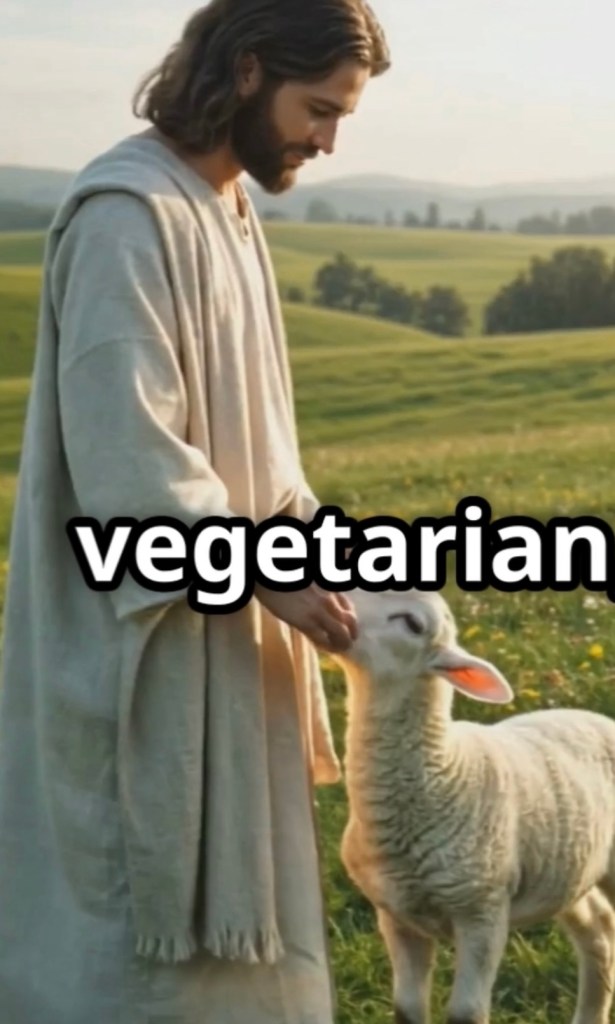
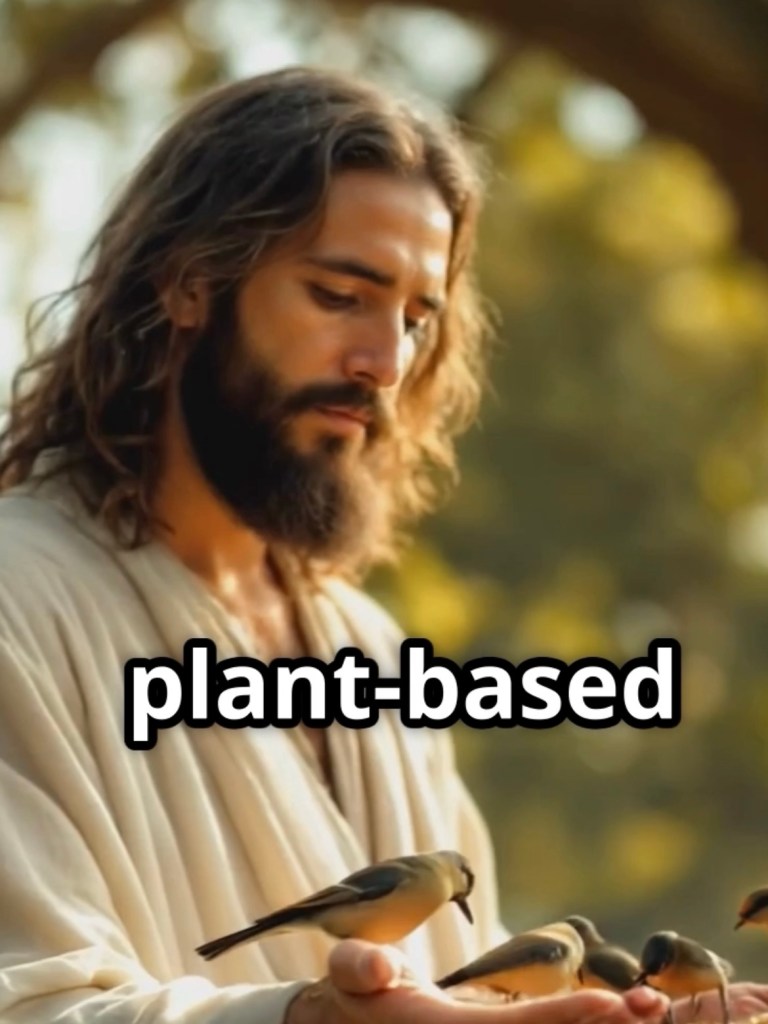
For centuries, the image of Jesus as a compassionate healer and teacher has been at the heart of Christianity. But was he also an advocate for a plant-based lifestyle? Evidence from modern-day translations of the Bible, alternative gospel texts, and linguistic studies suggest that Jesus may have opposed eating animals and even challenged the way we interpret certain food references in scripture.

God’s Original Plan: A Plant-Based Diet

In the very beginning, God created a world where humans and animals lived in harmony, sustained by plant-based foods:

“Behold, I have given you every plant yielding seed that is on the face of all the earth, and every tree with seed in its fruit. You shall have them for food.”Genesis 1:29

This verse suggests that in God’s ideal world, food was meant to come from the earth, not from killing animals. Even the prophetic visions of Isaiah describe a future where animals live in peace and do not harm one another:

“The wolf and the lamb shall graze together… They shall not hurt or destroy in all my holy mountain, says the Lord.”Isaiah 65:25

If God’s vision for creation was one without bloodshed, could it be that Jesus, as the ultimate teacher of love and mercy, followed this principle?

Did “Fish” Get Mistranslated?

One of the strongest arguments against Jesus being vegetarian is his feeding of the multitudes with “loaves and fish” (Matthew 14:13-21). But what if the word fish was mistranslated?

• The Greek word Ichthys (ἰχθύς) not only means fish but was also a symbolic acronym for “Jesus Christ, Son of God, Savior”—suggesting that the references to fish might have had deeper meanings.

• In Aramaic, the language Jesus likely spoke, some plant-based foods such as seaweed, legumes, or even pressed figs could have been confused with “fish” in later translations.

• Many early Christian sects, including the Essenes, were vegetarian and believed that Jesus was as well.

This raises the question: if Jesus was compassionate toward all life, would he have condoned the killing of fish for food, or was this a later addition to align with changing cultural norms?

Jesus Sets the Animals Free in the Temple

One of the most powerful moments of Jesus’ ministry was when he overturned the tables in the temple and set the animals free:

“And He found in the temple those who were selling oxen and sheep and doves… and He poured out the coins of the money changers and overturned their tables.”John 2:14-16

Modern-day translations of the Bible often say Jesus condemned the merchants for turning the temple into a “den of thieves.” However, the original Hebrew word used in Jeremiah 7:11, which Jesus was quoting, actually means “violent ones” rather than “thieves.” This suggests his anger was not just about corruption but about the violence being inflicted on innocent animals in a place of worship.

Rather than allowing the continued sale and sacrifice of animals, Jesus set them free—a powerful statement that aligns with a plant-based, non-violent philosophy.

Daniel’s Vegetarian Diet and Spiritual Clarity

Daniel, a prophet highly respected in both Jewish and Christian traditions, refused to eat the king’s rich food (which likely included meat) and instead requested a plant-based diet:

“Test your servants for ten days; let us be given vegetables to eat and water to drink.”Daniel 1:12

After ten days, Daniel and his companions were healthier and wiser than those who ate the king’s food. This passage suggests that a plant-based diet was not only physically beneficial but also spiritually purifying.

Jesus’ Teachings Align with Compassion for All Beings

While modern-day translations of the Bible do not explicitly state that Jesus was vegetarian, many of his teachings align with the principles of nonviolence and mercy toward all living creatures.

• He taught that God cares even for the sparrows (Luke 12:6).

• He healed and showed kindness to animals (Matthew 12:11).

• He overturned the tables of those selling animals for sacrifice, condemning the violence done to them.

If Jesus preached love, mercy, and a return to God’s original vision for creation, wouldn’t this include sparing animals from suffering?

Conclusion: A Call to Rethink Tradition

Throughout history, translations and cultural shifts may have altered how we interpret Jesus’ relationship with food and animals. By examining scripture more closely, we find strong evidence that:

• God’s original plan was a plant-based diet.

• Key biblical words, like “fish,” may have been mistranslated.

• Jesus actively opposed animal sacrifice and set animals free.

• Vegetarianism was practiced by early followers like Daniel and the Essenes.

Whether or not Jesus was fully vegetarian, his message was clear: compassion, mercy, and peace should extend to all of God’s creation.

Could embracing a plant-based lifestyle today be a way to honor his teachings and return to God’s vision for a world without harm?

Are We Meant to Eat Meat? How Vegetarianism Impacts Your Teeth & Oral Health

35 year old vegan, perfect teeth, no cavities in lifetime. No dental work history.

When it comes to oral health, we often focus on brushing, flossing, and the occasional dentist visit. But what if your diet could be doing even more for your teeth than toothpaste ever could? Specifically, a plant-based diet—especially vegetarianism—might be influencing the health of your teeth and gums in surprising ways.

Recent studies show that a vegetarian diet can positively affect the microbiology of your mouth and even alter the composition of your saliva, which plays a crucial role in keeping your mouth clean and free from harmful bacteria. Saliva is not just water; it’s filled with enzymes, proteins, and minerals that help fight tooth decay, neutralize acids, and support the overall health of your oral environment.

For people on plant-based diets, the types of foods consumed—rich in fruits, vegetables, and fibers—can boost saliva production and encourage the growth of beneficial bacteria. This microbiome shift could potentially help reduce plaque buildup and lower the risk of cavities, gum disease, and even bad breath. By contrast, diets high in animal products often contribute to higher acidity in the mouth, which can damage enamel and promote the growth of harmful bacteria.

This brings up an interesting question: Are we even meant to eat meat? Given the overwhelming dental health benefits of a vegetarian diet—especially when looking at the example of someone in their late 30s without a cavity versus meat-eating relatives with serious dental issues—one might argue that a plant-based diet could be more beneficial for your teeth than any toothpaste on the market.

If your diet is affecting the health of your mouth in this profound way, maybe it’s time to rethink what we put on our plates. It’s not just about brushing twice a day—it’s about nourishing your body and mouth with the right foods. After all, what you eat literally changes the composition of your saliva, which directly impacts your oral health. So, perhaps the best “oral care routine” starts with what’s on your fork, not just in your bathroom cabinet.

In the end, maybe it’s time to ask: Can vegetarianism be the natural tooth care you’ve been searching for? Or better yet—should we be questioning if a diet that includes meat is truly the healthiest choice for our teeth?

Disclaimer: Not Medical Advice

The information shared in this post is intended for general informational purposes only and is not a substitute for professional medical or dental advice. Always consult with a qualified healthcare provider or holistic dentist to address any concerns or questions about your oral health and diet. Your dentist can provide personalized recommendations tailored to your specific needs.

Vegan Béchamel

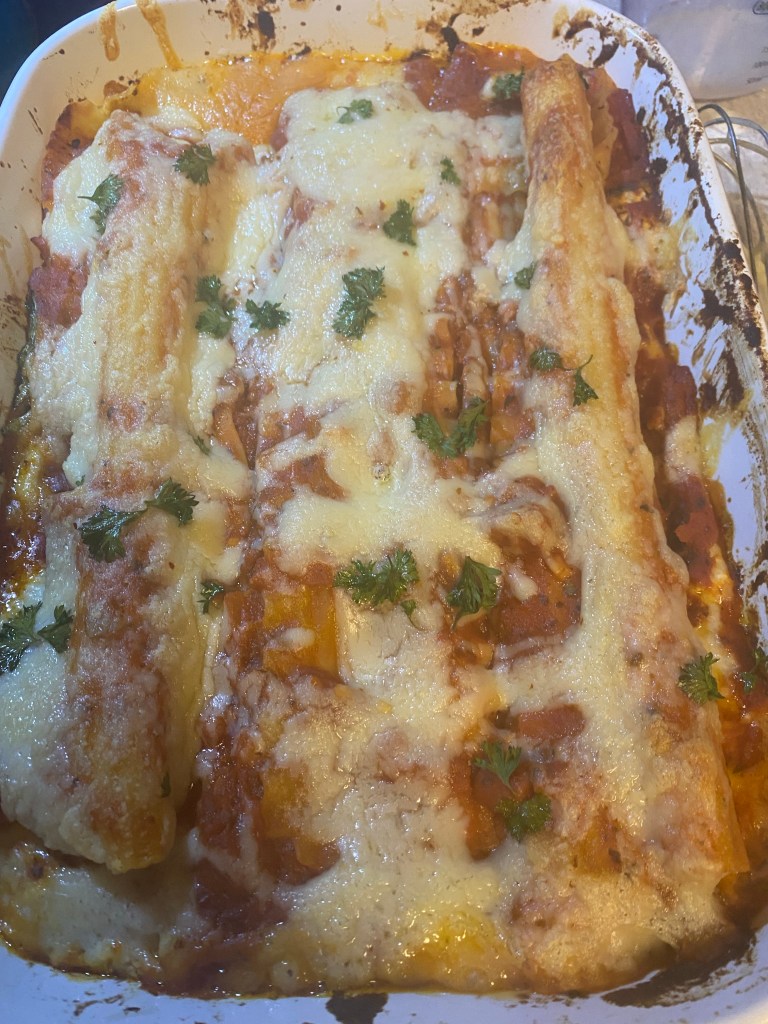
Lasagna topped with vegan Béchamel sauce.

As a French American, I love getting back to my roots for cooking. This French inspired vegan Béchamel sauce is perfect for all of your gratin dishes or to top your lasagna. Adding this to my vegan lasagna has made the ingredients needed simpler, as I don’t need to buy as much vegan ricotta and mozzarella to fill an entire dish.

You will need:

1/4 cup butter (I used Earth Balance)

1/4 cup flour

4 cups soy milk

1 tsp onion powder

1 tsp garlic powder

Optional:

1/4 cup vegan mozzarella

The process:

Melt butter over medium heat. Stir in flour slowly. Whisk together until smooth. Slowly add 4 cups soy milk. Add vegan mozzarella and whisk until melted. Bring heat to low for 4 minutes, stirring frequently.

Voila! Top your favorite dish and bake until perfection.

Béchamel after being cooked in the oven a top a vegan lasagna.

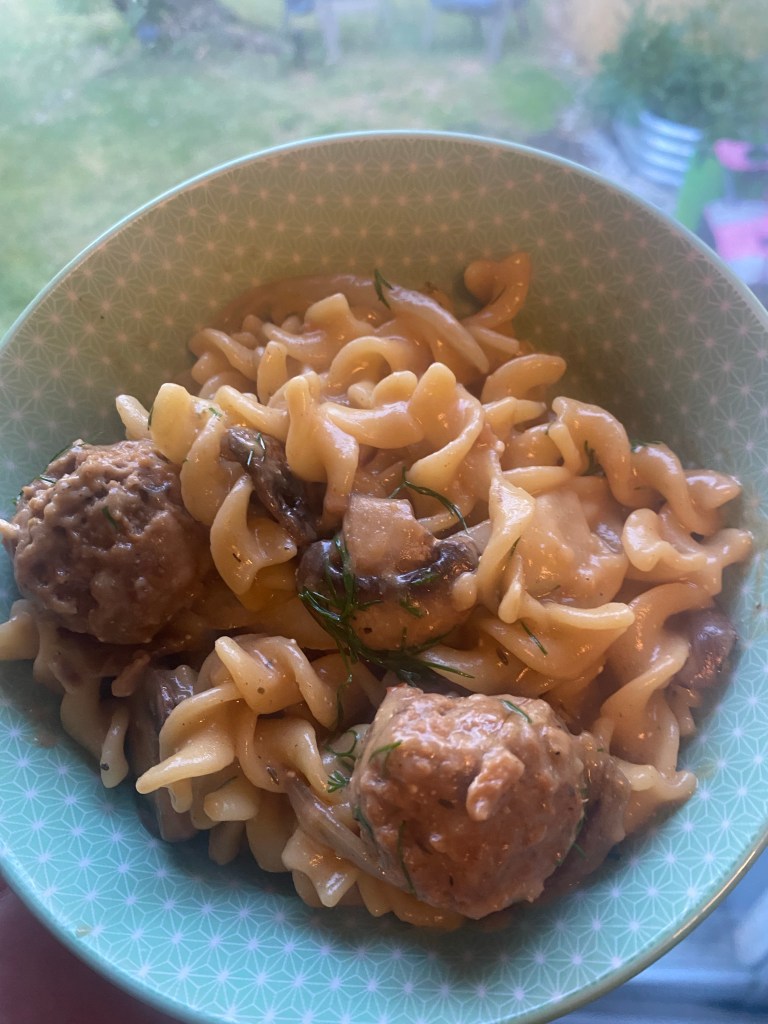
Vegan Beef Mushroom Stroganoff

This creamy, full-flavor stroganoff is now on my regular dinner rotations. I absolutely love this savory, hearty meal.

Vegan Beef Mushroom Stroganoff

You will need:

1 generous tablespoon Vegemite

1 generous tablespoon veggie bouillon

3 cups water

1 table spoon vegan Worcestershire’s sauce (I use 365 from Whole Foods)

1 tablespoon Soy sauce

1 table spoon Dijon mustard

1 tablespoon Smoked Paprika

1 tablespoon Thyme

1/4cup Flour

1/2 tub vegan Sour Cream (I used Tofutti brand)

2 cups apprx. Sliced Mushrooms

1/2 Onion, sliced longways

Optional: frozen Beyond Meatballs

Splash of Wine or alcohol of choice

1 stem of fresh Dill

1 bag of Fusilli Pasta

The process:

If you are opting for the frozen meatballs, begin thawing them with a little olive oil over medium heat, stirring occasionally.

Mix water with Vegemite and broth and bring to a boil in sauce pan.

Add Worcestershire’s sauce, Dijon Mustard and Dry Seasonings. Stir well.

Add flour, stirring until thoroughly mixed.

Mix in sour cream until smooth.

Let simmer for 15 minutes.

Sauté onions and mushrooms without oil, flipping mushrooms until browned. Add alcohol of choice and let evaporate over heat (I used whiskey on hand, but you can use white wine).

Add broth mixture to pan with meatballs. Cook another 25 minutes.

Cook pasta as directed, then drain and add to broth and meatball mixture. Let cool.

Stir in mushroom and onion mixture. Sprinkle fresh dill on top before serving.

Oh my goodness was this ever tasty. I hope you enjoy this rich, creamy comfort food. ✨

The Best Vegan Spanikopita

Vegan Spanikopita I made for a morning staff meeting… big hit!

It’s 2022 so I felt it was time to update my Spanikopita recipe. I decided to give the fancy shapes a rest and just go back to basics… the results were incredibly tasty! There is no exact science to this. Feel free to modify quantities.

You will need:

500g of fresh spinach

150g Violife feta, crumbled

170g Follow Your Heart feta crumbles

(Your choice on type of Vegan feta cheese; I personally love the taste and texture of combining two particular kinds)

2 vegan eggs (I used Follow Your Heart)

115g vegan butter, melted

1 box frozen phyllo dough, thawed at room temperature

21g fresh chives, chopped

21g fresh dill, chopped

Optional: 1/2 lemon, squeezed

I used the largest tub of spinach they sell at Whole Foods and the full packets of fresh chives and dill. I provided ingredient measurements for guidance but truly I just eye balled everything. Don’t be afraid to just get in there!

The process:

I cooked down chopped fresh chives and dill with spinach in skillet.

Let the greens cool for a few minutes. Mix in your feta and vegan egg. Optional step: squeeze half a lemon over mixture.

Brush your melted butter on the pan.

Lay a Phyllo sheet along the bottom. Brush butter. Add another layer. Repeat layer, butter, layer for about 4 or 5 layers.

Add your filling mixture spreading evenly among dough.

Then top with a few more layers of dough and butter. I let these lay messily over the sides and tuck them under all of the layers when I’m done, giving it a nice crust.

Score all the way through, cutting pieces prior to cooking. Cutting after the dough is crusty can be difficult.

I was able to premake this the night before, covering tightly in my fridge overnight.

I popped it in oven this morning for 75 minutes at 375 degrees. 💚

Apparently I am to make this for every morning meeting henceforth. 😂 I hope you and your family enjoy it as much as we do!

Everything Sourdough Discard Cheese Crackers

Compassion begins on your plate! 💚✨ Everything Sourdough Discard Crackers using Vegan Cheese

Everything Sourdough Discard Crackers

One of the best things about maintaining a sourdough starter at home is making a variety of flavorful food without using any animal products completely from scratch.

The Magic: ✨

190-200g Sourdough Discard

2 Tablespoons oil or butter

1/2 tablespoon flour

1/3 cup vegan cheese of choice

1/2 tablespoon dried chives

Sprinkled salt and everything seasoning to taste

Directions: ✨

Preheat oven to 325 degrees.

Mix discard with oil, flour, cheese, and chives.

Spread out evenly on parchment paper lined cookie sheet as thin as possible.

Sprinkle top with sea salt and everything seasoning till desired.

Place cookie sheet on center rack for 10 minutes.

Score as desired. (I make simple squares pressing down with a long edge of a dough scraper.)

Place back in oven and cook for 30 more minutes or until it has started to crisp.

Let cool… break apart squares, and serve! Enjoy!