Was Jesus a Vegetarian? Exploring Scripture, Mistranslations, and His Compassion for Animals

For centuries, the image of Jesus as a compassionate healer and teacher has been at the heart of Christianity. But was he also an advocate for a plant-based lifestyle? Evidence from modern-day translations of the Bible, alternative gospel texts, and linguistic studies suggest that Jesus may have opposed eating animals and even challenged the way we interpret certain food references in scripture.
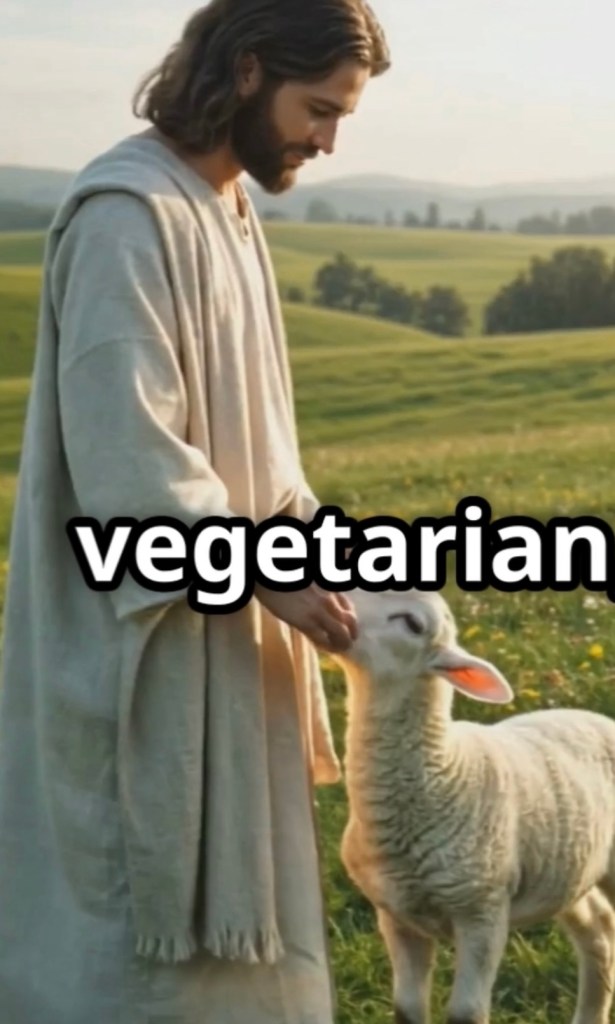
God’s Original Plan: A Plant-Based Diet

In the very beginning, God created a world where humans and animals lived in harmony, sustained by plant-based foods:

“Behold, I have given you every plant yielding seed that is on the face of all the earth, and every tree with seed in its fruit. You shall have them for food.”Genesis 1:29

This verse suggests that in God’s ideal world, food was meant to come from the earth, not from killing animals. Even the prophetic visions of Isaiah describe a future where animals live in peace and do not harm one another:

“The wolf and the lamb shall graze together… They shall not hurt or destroy in all my holy mountain, says the Lord.”Isaiah 65:25

If God’s vision for creation was one without bloodshed, could it be that Jesus, as the ultimate teacher of love and mercy, followed this principle?

Did “Fish” Get Mistranslated?

One of the strongest arguments against Jesus being vegetarian is his feeding of the multitudes with “loaves and fish” (Matthew 14:13-21). But what if the word fish was mistranslated?

• The Greek word Ichthys (ἰχθύς) not only means fish but was also a symbolic acronym for “Jesus Christ, Son of God, Savior”—suggesting that the references to fish might have had deeper meanings.

• In Aramaic, the language Jesus likely spoke, some plant-based foods such as seaweed, legumes, or even pressed figs could have been confused with “fish” in later translations.

• Many early Christian sects, including the Essenes, were vegetarian and believed that Jesus was as well.

This raises the question: if Jesus was compassionate toward all life, would he have condoned the killing of fish for food, or was this a later addition to align with changing cultural norms?

Jesus Sets the Animals Free in the Temple

One of the most powerful moments of Jesus’ ministry was when he overturned the tables in the temple and set the animals free:

“And He found in the temple those who were selling oxen and sheep and doves… and He poured out the coins of the money changers and overturned their tables.”John 2:14-16

Modern-day translations of the Bible often say Jesus condemned the merchants for turning the temple into a “den of thieves.” However, the original Hebrew word used in Jeremiah 7:11, which Jesus was quoting, actually means “violent ones” rather than “thieves.” This suggests his anger was not just about corruption but about the violence being inflicted on innocent animals in a place of worship.

Rather than allowing the continued sale and sacrifice of animals, Jesus set them free—a powerful statement that aligns with a plant-based, non-violent philosophy.

Daniel’s Vegetarian Diet and Spiritual Clarity

Daniel, a prophet highly respected in both Jewish and Christian traditions, refused to eat the king’s rich food (which likely included meat) and instead requested a plant-based diet:

“Test your servants for ten days; let us be given vegetables to eat and water to drink.”Daniel 1:12

After ten days, Daniel and his companions were healthier and wiser than those who ate the king’s food. This passage suggests that a plant-based diet was not only physically beneficial but also spiritually purifying.

Jesus’ Teachings Align with Compassion for All Beings

While modern-day translations of the Bible do not explicitly state that Jesus was vegetarian, many of his teachings align with the principles of nonviolence and mercy toward all living creatures.
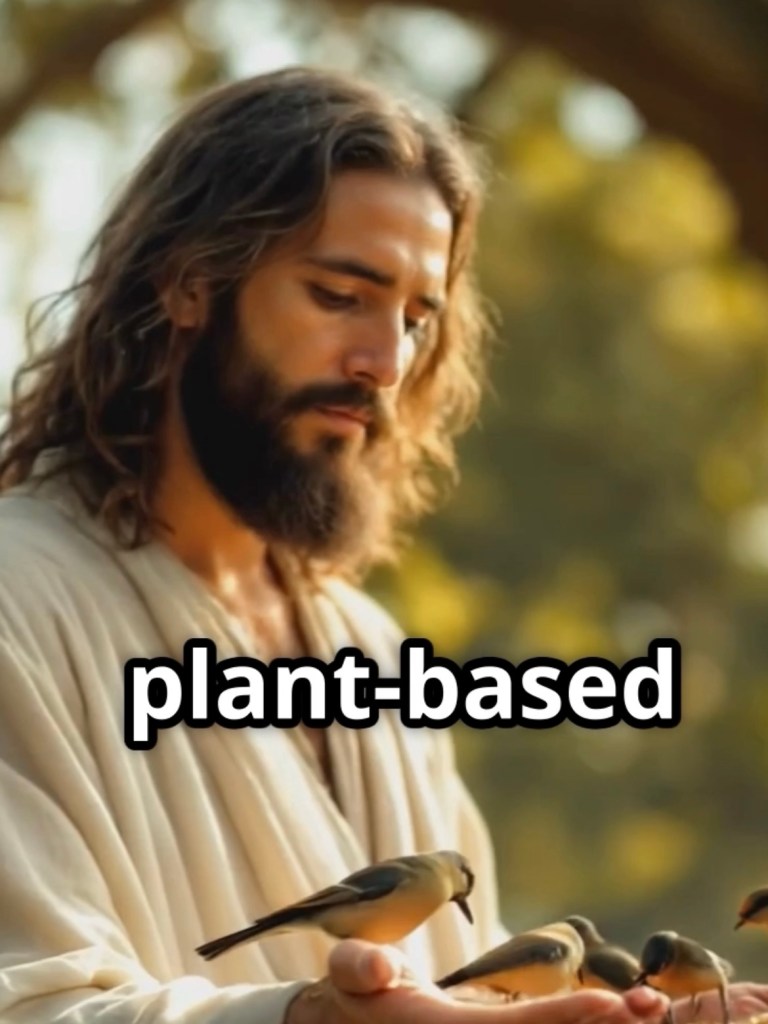
• He taught that God cares even for the sparrows (Luke 12:6).

• He healed and showed kindness to animals (Matthew 12:11).

• He overturned the tables of those selling animals for sacrifice, condemning the violence done to them.

If Jesus preached love, mercy, and a return to God’s original vision for creation, wouldn’t this include sparing animals from suffering?

Conclusion: A Call to Rethink Tradition

Throughout history, translations and cultural shifts may have altered how we interpret Jesus’ relationship with food and animals. By examining scripture more closely, we find strong evidence that:

• God’s original plan was a plant-based diet.

• Key biblical words, like “fish,” may have been mistranslated.

• Jesus actively opposed animal sacrifice and set animals free.

• Vegetarianism was practiced by early followers like Daniel and the Essenes.

Whether or not Jesus was fully vegetarian, his message was clear: compassion, mercy, and peace should extend to all of God’s creation.

Could embracing a plant-based lifestyle today be a way to honor his teachings and return to God’s vision for a world without harm?
Are We Meant to Eat Meat? How Vegetarianism Impacts Your Teeth & Oral Health

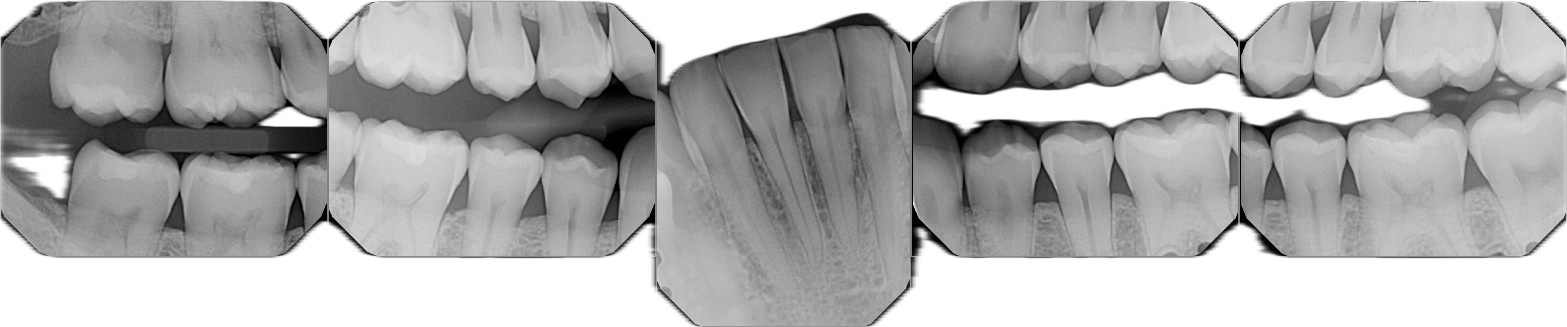
35 year old vegan, perfect teeth, no cavities in lifetime. No dental work history.

When it comes to oral health, we often focus on brushing, flossing, and the occasional dentist visit. But what if your diet could be doing even more for your teeth than toothpaste ever could? Specifically, a plant-based diet—especially vegetarianism—might be influencing the health of your teeth and gums in surprising ways.

Recent studies show that a vegetarian diet can positively affect the microbiology of your mouth and even alter the composition of your saliva, which plays a crucial role in keeping your mouth clean and free from harmful bacteria. Saliva is not just water; it’s filled with enzymes, proteins, and minerals that help fight tooth decay, neutralize acids, and support the overall health of your oral environment.

For people on plant-based diets, the types of foods consumed—rich in fruits, vegetables, and fibers—can boost saliva production and encourage the growth of beneficial bacteria. This microbiome shift could potentially help reduce plaque buildup and lower the risk of cavities, gum disease, and even bad breath. By contrast, diets high in animal products often contribute to higher acidity in the mouth, which can damage enamel and promote the growth of harmful bacteria.

This brings up an interesting question: Are we even meant to eat meat? Given the overwhelming dental health benefits of a vegetarian diet—especially when looking at the example of someone in their late 30s without a cavity versus meat-eating relatives with serious dental issues—one might argue that a plant-based diet could be more beneficial for your teeth than any toothpaste on the market.

If your diet is affecting the health of your mouth in this profound way, maybe it’s time to rethink what we put on our plates. It’s not just about brushing twice a day—it’s about nourishing your body and mouth with the right foods. After all, what you eat literally changes the composition of your saliva, which directly impacts your oral health. So, perhaps the best “oral care routine” starts with what’s on your fork, not just in your bathroom cabinet.

In the end, maybe it’s time to ask: Can vegetarianism be the natural tooth care you’ve been searching for? Or better yet—should we be questioning if a diet that includes meat is truly the healthiest choice for our teeth?

Disclaimer: Not Medical Advice

The information shared in this post is intended for general informational purposes only and is not a substitute for professional medical or dental advice. Always consult with a qualified healthcare provider or holistic dentist to address any concerns or questions about your oral health and diet. Your dentist can provide personalized recommendations tailored to your specific needs.

Eating Compassionately

Compassion Begins On Your Plate!

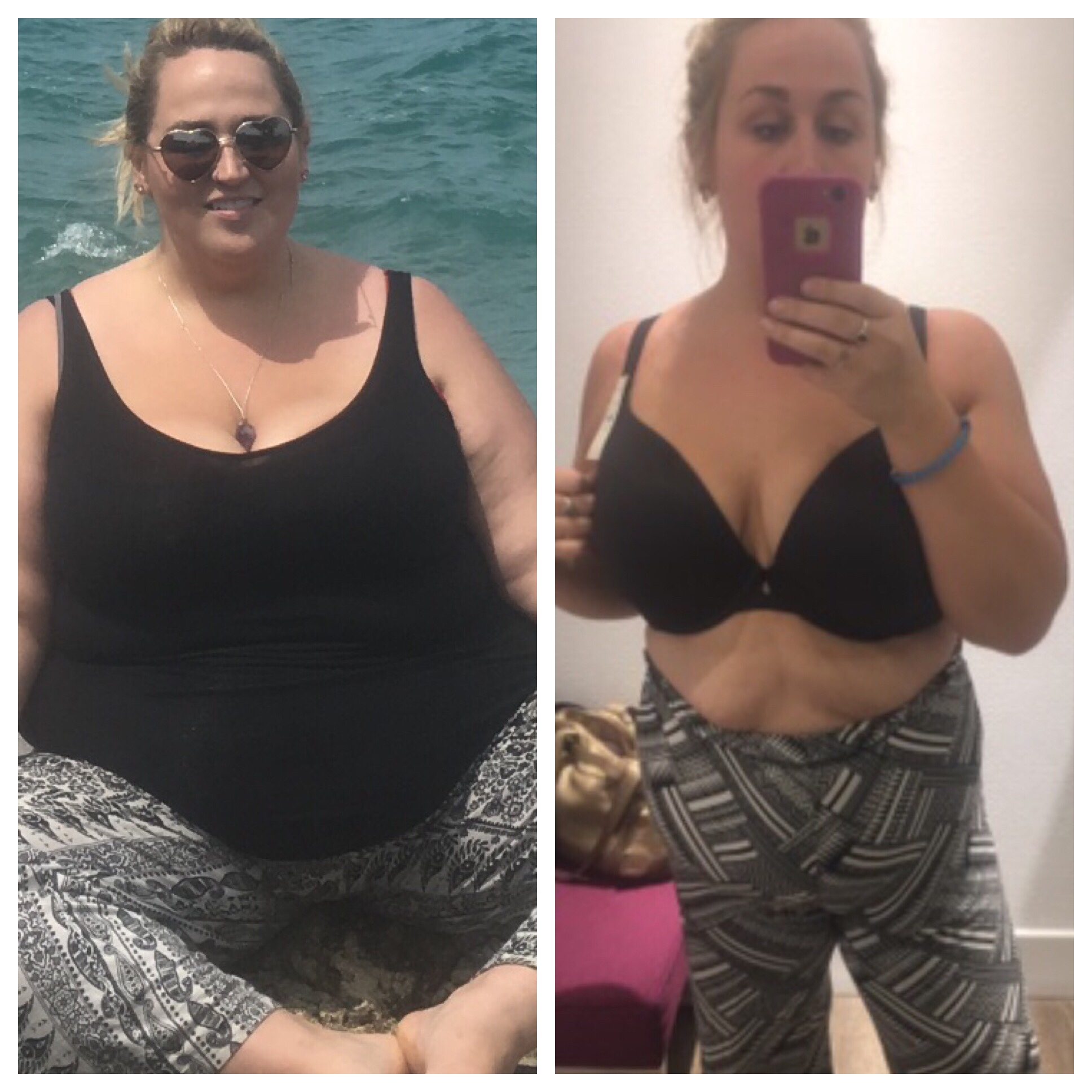
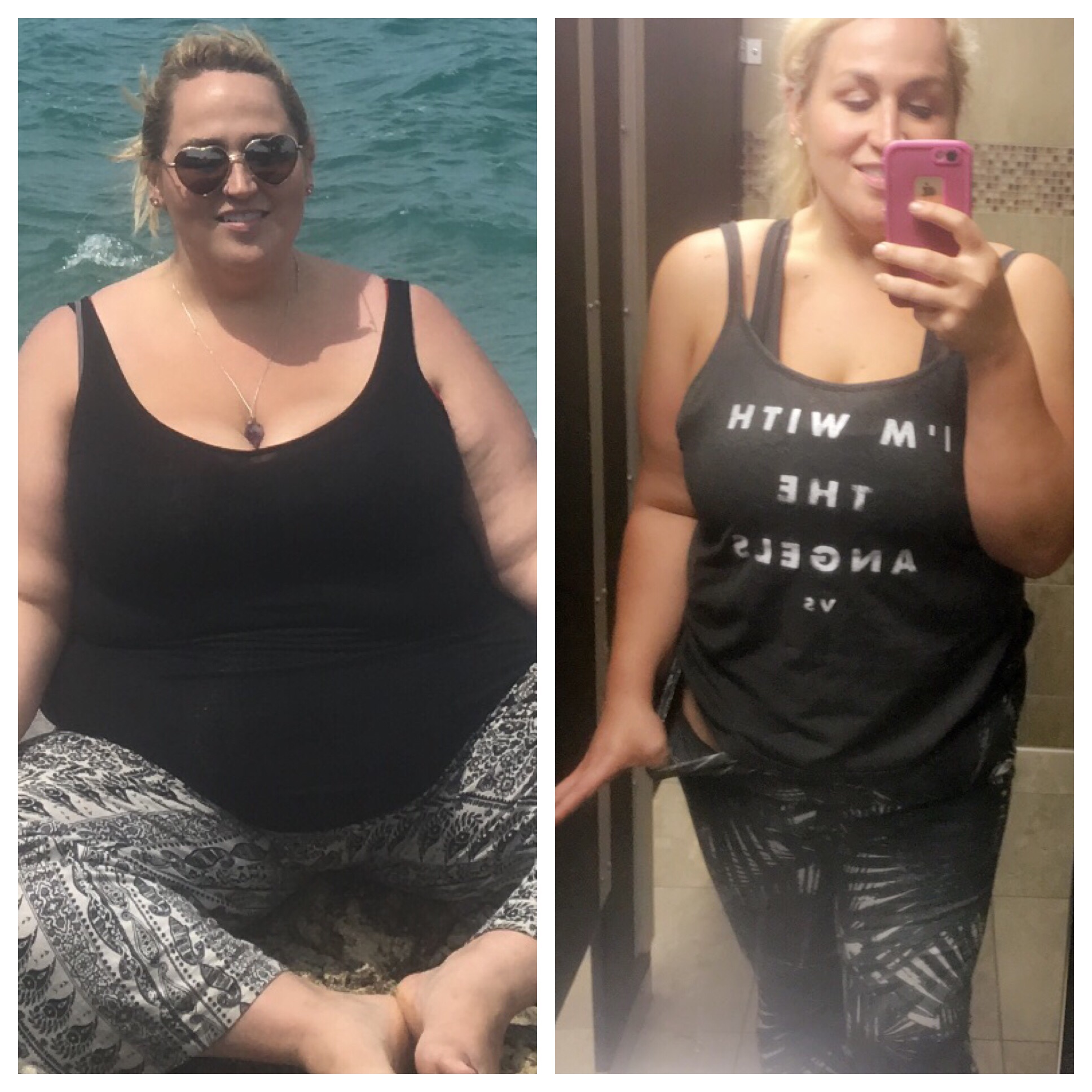
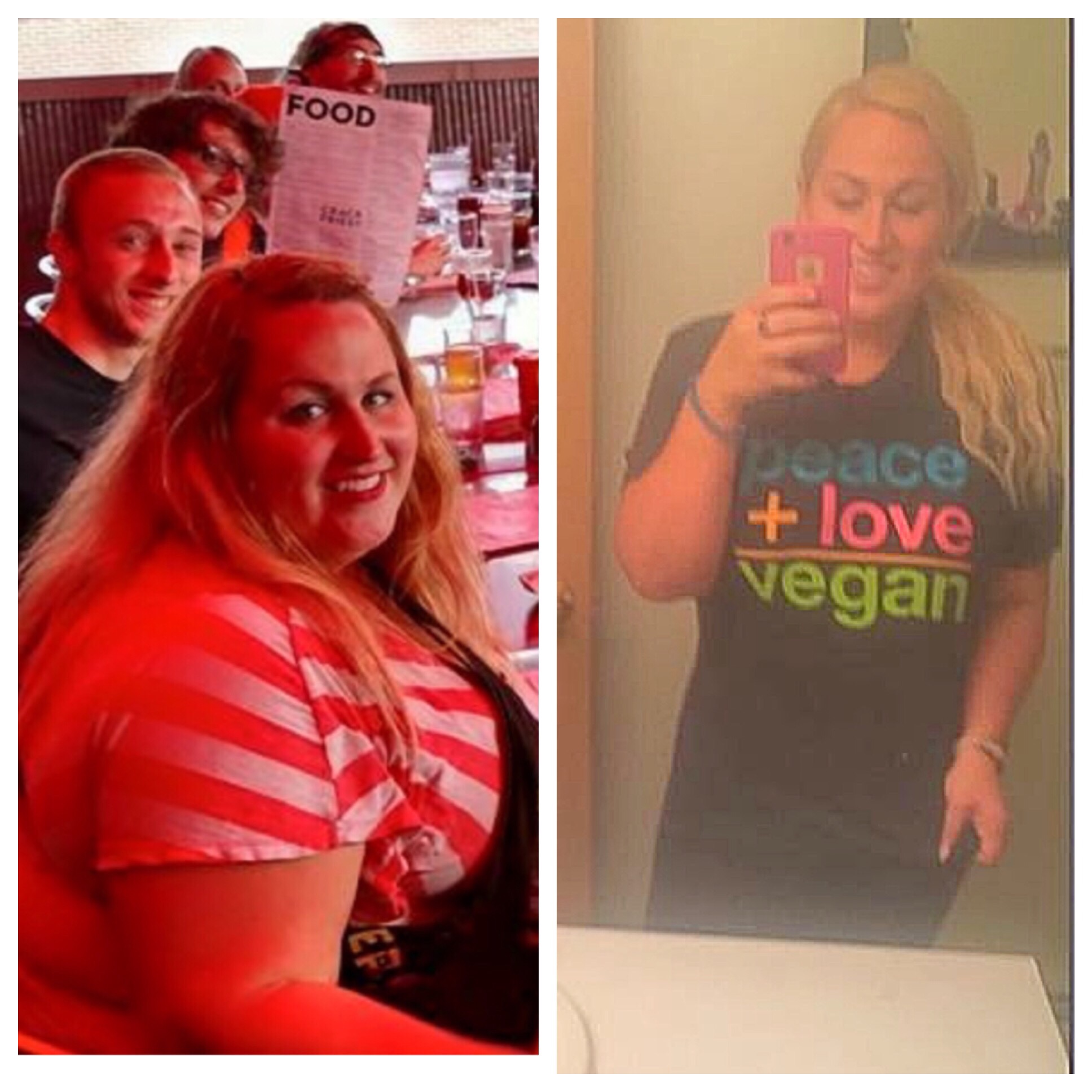
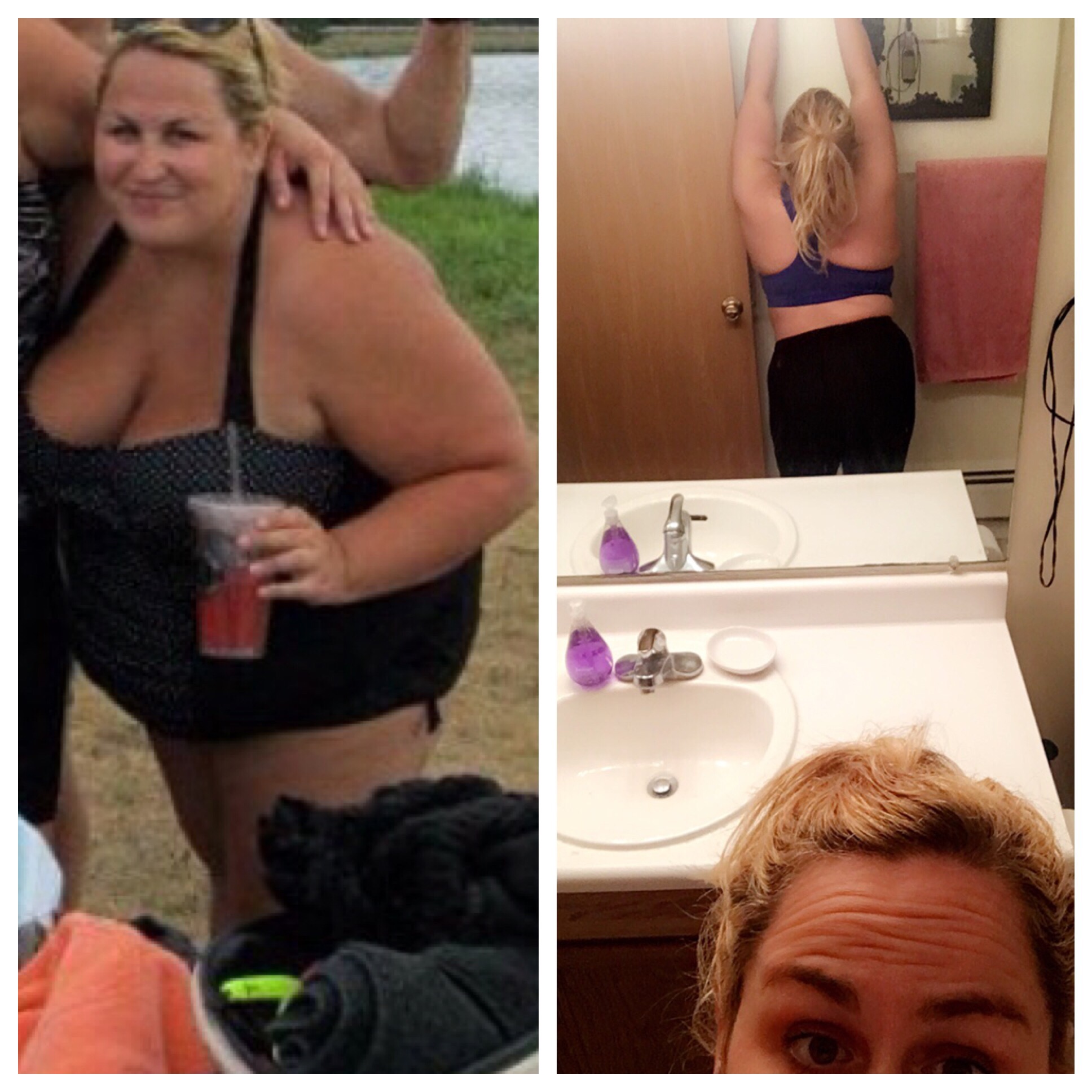
➡️What losing over a hundred pounds looks like on Instagram vs. ➡️what losing over a hundred pounds looks like in reality.

This is a major vulnerability post for me, friends. In honor of Earth day, I am posting to remind you that going vegan is not only the best thing you can do to save the planet, but also yourself. I rarely took pictures of me at my heaviest. It was one of the hardest times of my life. The picture of me sitting is when I already started losing a little weight a year into me working at Whole Foods Market when I was on a trip to Chicago opening a store. At my absolute heaviest, I was in an abusive marriage and so lost. It took me going vegan to get my groove back after it all. Seriously. I started feeling happier and more positive. I felt like I wanted to move my body more and my back pain was feeling relief. There were days at my heaviest I didn’t even want to move because my feet killed me and my back made me feel immobile. The lethargy went away going vegan. I started going to the gym, and eating a lot of chia for energy, and never felt better in my life.

After I lost weight, I wanted to show it off and look my best. What I didn’t post was the stretch marks, and the stomach pouch I still had, and the ups and downs along the way. You always see me post myself wearing high waisted leggings or jeans holding in my stomach, or a tank top that is loose in the tummy and flatters me just right. Reality is that I often take a million photos and try multiple poses before I post one. Never get caught up in appearances. The main thing to take away from me going vegan is that it literally improved my quality of life from a drastic standpoint.

My point is, veganism saved my life and my health. It doesn’t matter what you look like. It’s a better quality of life for everyone, from a personal level, to how animals are treated, to how many Earthly resources are saved for everyone by eating plant based. Compassion truly begins on your plate: for the animals, for the planet, and for your health. 💚🌱✨💗

Earth Day: Compassion Begins On Your Plate

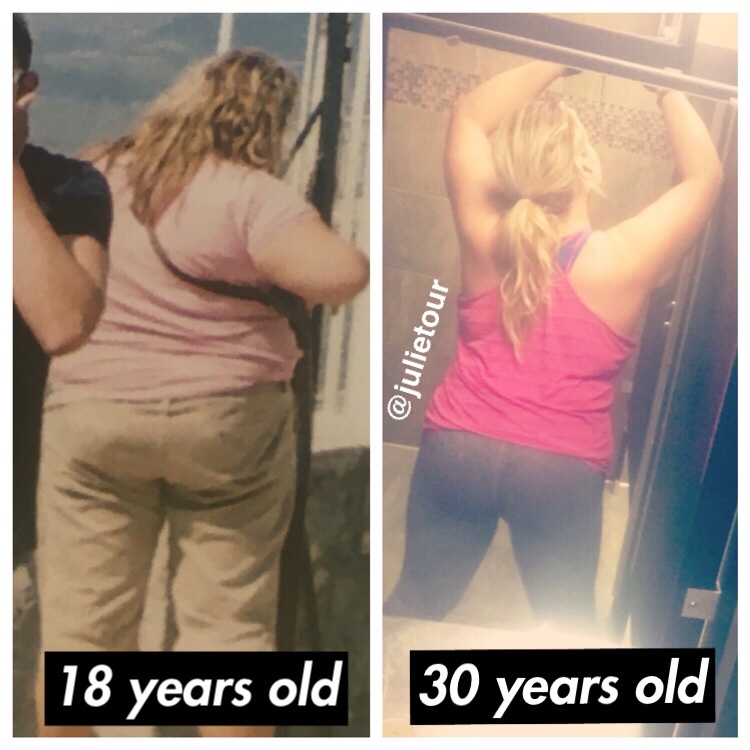
Compassion begins on your plate!! 💚🌱✨ I’ve always been a bit of a bleeding heart. I was 14 years old when I decided weight loss wasn’t worth eating animals. My entire family was on the Atkins diet, and saw short term successes (but long term health problems, cancers and death). I was repulsed by seeing family members eat flesh for every meal. I went vegetarian without really knowing how to be a healthy one. As a Midwest girl with limited nutrition knowledge, I just decided to eat anything that didn’t have eyes. This included tons of bread, pasta, and cheese. 18 years old wasn’t even my heaviest. I was heaviest in my mid twenties working in the insurance industry. I finally had a moment where I felt like I woke up. I found myself staring down a road I didn’t want to be on, and drastically changed my life.
Working at Whole Foods and learning about The Whole Foods Diet, and finding veganism was the answer I needed all along. It was not only the most compassionate choice for the animals, and the planet, but it was the most compassionate choice for myself and my health. I finally found the answer to all the questions I had about our nutrition, while still limiting our harm, and impacting the planet positively. The energy this diet gave me impacted my physical activities as well.

We are all so hard on ourselves sometimes, myself included. We are all imperfectly perfect. As I learned more, my mind evolved, my behaviors and diet evolved, and then my body followed. It wasn’t a perfect process. It took time. Transformation doesn’t happen overnight, but it does happen. It’s as simple as making a decision on what you are making for dinner tonight, or to take that walk you are thinking about. May your life and actions be a celebration of the Earth, every day.

Anything You Can Eat, I Can Eat Vegan

Veganism is kind of like the mainstream belief in the normality of the “food chain hierarchy”, but in reverse. How did the animal get this nutrient ? What did the animal eat? If the animal got it from another animal, what did that animal eat? There in lies the answer to any nutrition inquiry.

The design of the Earth and our bodies is so intelligent, our nutrients we need just naturally occur in growing plants, and natural elements. Scarcity during changing seasons and weather conditions is the reason our early ancestors hunted animals. In this day and age, a large variety of plants is at our fingertips within a moment’s notice. Killing is unnecessary. Compassion truly begins on your plate: for the animals, the environment, your health, and the future of the human race.

28 Day Plant Based Challenge

Compassion begins on your plate!!! Tomorrow starts Day 1 of the 28 day challenge. Tonight, get really clear on your goals for the month of February. With this full moon, it’s the perfect time to manifest some healthy achievements for yourself. Whether you are going vegan for 28 days, or are already vegan and refining your diet more, write down your goals tonight.
Me? I will be going oil free. Now I don’t mean I won’t be eating avocados or nuts with natural oils. The right kind of oil can be great for your brain. What I won’t be doing is frying my food, or ordering tempura veggies (which I love). This also means I’ll be grabbing oil free hummus and avoiding vegan cheeses with added oil. Luckily, brands like Kite Hill and Engine2 don’t use oil!

Also, I have a planned cheat day to help keep me on track. We have two veg festivals in my area per year, and one of them falls during the challenge. To keep me on track, that’ll be my one allotted oil cheat day as I try all the new vegan things in my area.

Be compassionate with yourself through this process and do your best! That’s all we can do, and that’s what helps us avoid feelings of guilt as we work towards transformation. Have a happy healthy day, and don’t forget, write down your goals tonight!! Tomorrow is Day 1. What will you do with it?

Southwest Tofu Scramble

Compassion begins on your plate!

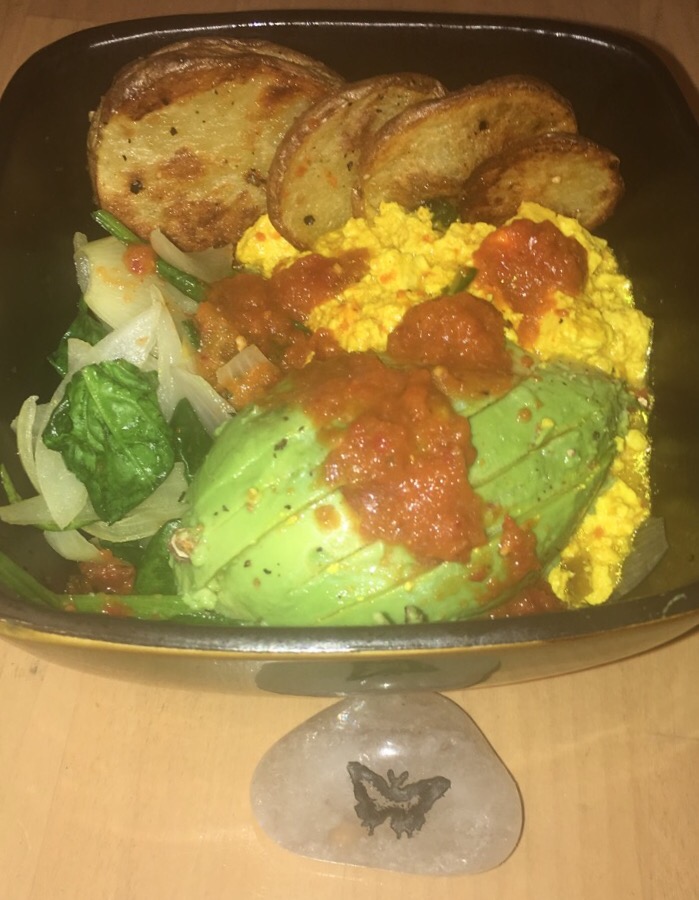
I genuinely do not miss eggs as a vegan, and a major reason is that I’ve experimented and perfected my favorite vegan breakfasts. I am often asked how I cook my tofu scramble, and after lots of trial and error, I wanted to share my favorite recipe and cooking process that I’ve developed. I hope you enjoy this as much as I do!

You will need (serves two):

1 package organic, sprouted extra firm tofu

1 tbsp garlic granules*

2 tbsp turmeric

2 tbsp nutritional yeast

2 chopped basil leaves

1 dollop of your favorite salsa

1 organic avocado

2 organic golden potatoes

1/2 organic white onion

1 package of washed organic spinach

Wildbrine Kimchi Probiotic Sriracha*

Celtic Sea Salt*

Ground black pepper*
*Proportions can be modified to taste.

🌱Preheat oven to 400 degrees.

🌱Slice potatoes into circles. In bowl, evenly toss potatoes in salt and pepper.

🌱Place sliced potatoes on cookie sheet, and cook on top shelf in oven until golden brown. (Cook times may vary per oven.)

🌱Slice tofu package.

🌱Pour “tofu guts” into a medium saucepan. Crumble extra firm tofu and place in the pan, turning on medium heat.

🌱Add turmeric, garlic granules, basil, nutritional yeast, salt and pepper to pan.

🌱Stir as needed.

🌱Once “tofu guts” water has started to cook away, add a dollop of salsa to the scramble mix.

🌱Slice onion. Add to sauce pan with a little water. Cook over medium heat until onions start to caramelize. Add spinach, and top with salt and pepper.

🌱Cut avocado in half. Spoon out green avocado onto a cutting board. Sprinkle pepper. Cut into slices.

🌱Pour finished tofu into two bowls. Add spinach and onion mixture divided evenly to both bowls. Dress with slices of potato, avocado slices, and finish with Kimchi Sriracha.  I love this Sriracha since it tastes amazing, and adds probiotics to any meal to help aid with digestion and support immunity.

🌱💚And, voila! You have mastered the tofu scramble. 🙌🏼💚🌱

Woman’s World Farmstand Diet: Flavorful and Rich Vegan Shepard’s Pie

Compassion begins on your plate! As mentioned in the cover story in the August 21, 2017 issue of Woman’s World Magazine on shelves now, attached is my recipe for whole plant-based, vegan shepard’s pie. I am so honored to be featured in the current issue of Woman’s World magazine for plant-based nutrition. To have my weight loss transformation be an example of a vegan, Whole Foods diet being the most compassionate and nutritious lifestyle is honestly a dream come true.

Although the article states you can lose 20 lbs in a week, my over-100lbs-lost story was a slow process over a year and a half, making good daily decisions on plant-based food choices. I never intended to drop the weight, just to do better. The weight loss has been a nice bonus. Always love yourself and your body at any weight. Make daily decisions on activities and food choices from love. Do all things from a place of love, not lack.

Also, I could tell you right now I would not have dropped weight if I continued eating cheese, even though the article suggests doing shreds of cheese on your salad. In fact, a huge part of my spike in energy was abstaining from any and all animal products and focusing on whole, real fruits and vegetables. Replace your eggs and cheese with tofu scrambles, like the recipe in the article.  They are seriously delicious and won’t slow you down. 😉 

I encourage you all to read “The Whole Foods Diet” book by Whole Foods CEO John Mackey. He focuses on so many health benefits abstaining from animal products. He is so incredibly passionate about it. Case studies have shown people reversing and preventing diabetes, cardiovascular disease and even cancers. Weight loss is the least important benefit to consider. 

Full Recipe: Flavorful and Rich Vegan Shepard’s Pie

Compassion Begins on Your Plate: How Plant-Based Eating Can Transform Your World

As a child, I basically ate whatever my parents decided to put in front of me. Until one day, I started questioning the choices of my parents. I was 14 years old when my dad’s side of the family all decided to be on the Atkin’s diet. I watched my dad order a beef burger without the bun, eat as much bacon and sausage as he wanted for breakfast, not eating many vegetables and completely cutting out carbs. Being someone who never particularly enjoyed eating tons of meat, I was repulsed by it. I called it the “flesh” diet. I declared I was a vegetarian and started preparing my own dinners. I didn’t really know how to be a healthy vegetarian, I just knew I didn’t want to contribute to the killing of animals. Once I researched documentaries like “Kentucky Fried Cruelty”, and saw the brutal treatment of animals in factory farms, there was no turning back. I often ate pasta drenched in garlic and olive oil, or omlettes covered in cheese. It wouldn’t be until years later that I truly would make the connection between food as medicine and vitality.

Back then I never could have imagined cutting out eggs and dairy. It took me seeing years later that it’s common practice that male chicks are ground up alive and baby calves are taken from their moms and slaughtered for veal- that there is no humane treatment of animals in any food industry. We are exploiting the most innocent beings on this planet by giving them a life of misery. This connection started making me think about energy in food and focusing on sourcing food that is “cruelty free”. If everything is energy, why would you ever want to consume a product sourced from an animal who lived in misery? It made me question how much negativity we bring into our own lives by absorbing that which we create from these tortured animals. 

It wasn’t until I started working at Whole Foods Market did I really put the idea into practice. I set out to eat the highest energy, nutrient-dense foods. I finally learned how to not only eat compassionately for the planet, but also how to eat compassionately for myself. I took E3-Live, a super nutrient-dense algae high in 65 vitamins, minerals and amino acids, every morning with my orange juice. I ate chia pods on my breaks instead of bagels and cream cheese. I often grabbed organic pink lady apples, bananas, and cashews if I was hungry. I always had Lara bars on me, and drank chia kombuchas. If I was craving cheese, I bought cashew cheese and gluten-free crackers. I replaced my morning omlettes with my now favorite dish: the tofu scramble. I often ate at the salad bar, but mixed an avocado from produce with lemon juice over my greens instead of dressing. This diet gave me so much energy I had no problem working out for a couple hours after an 8 hour shift. 

I was over 300 lbs when I first started working at Whole Foods. This change to a plant-based diet combined with regularly working out led me to drop over 90 lbs over the past year and a half. Little steps and daily decisions from the heart has led to a huge transformation in my life. It’s been less about the end goal, and more about how to make a loving decision towards myself and the planet in the moment. The weight has fallen off in the process. Every day we have choices to make. Every day we have the ability to channel love and light into every decision we make. It’s our little choices over time that lead to life-changing transformations. I truly believe compassion begins on your plate. What we decide to eat can literally transform our world: from our bodies, to our energy levels, to our environment.

Whoa, Amber is the Color of Your Energy: The History and Uses of Amber


Julie Tour wearing an Amber stone over her third eye chakra.

Amber is a gem stone with metaphysical and physical properties. The truth is that amber is a fossilized resin that has been used in history as a protective and healing stone. Amber has been found all over the world from the Dominican Republic, Britain, to ancient Egypt. Hardened tree resin that is less than 100,000 years old is called Copal. Amber from the Baltic or Dominican Republic is 25 million to 40 million years old. Archeologists have found carved amber in graves dating over 2000 BC. This rich history with the Earth gives Amber a strong, cleansing and healing energy both metaphysically and physically.

Amber’s energy is very healing and protective. Amber has an electromagnetic quality. It will build up an electrical charge, so jewelry that sits against your skin is more effective for healing. It was called ‘elektron’ by the ancient Greeks. This is said to be the origin of the word ‘electricity’. 

Today, it’s uses range from teething necklaces and bracelets for babies,  protection from psychic attack, and removing toxins from organs. Working at a health store opened my eyes to Amber’s uses for physical healing. Dozens of mothers I interacted with swore by its effects on their baby’s teething pain. Amber also aids in emotional healing from depression, clearing and opening of chakras, and physical self healing. Wearing the stone around a particular energy point in the body will help cleanse your auric field.