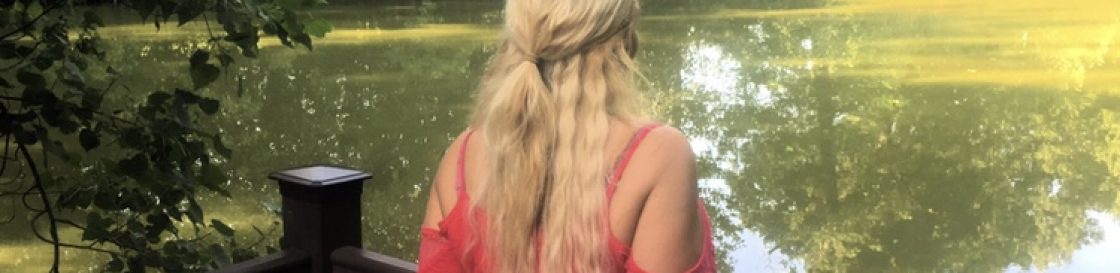
A soul-guided journey through legacy, synchronicity, and the return to spiritual freedom
Some moments in life feel divinely timed—so layered with meaning that you know they were written into your story long before you arrived.

It started with a playful comment I made to fellow insurance agents:
“Let’s go to Amsterdam after our trip to Munich!”
We all laughed—but the name stuck. I became Amsterdam for the rest of the season.
That nickname would turn out to be a sign.
As I planned my travels, I felt pulled toward France. I reached out to my Uncle George, who my mother credited for recording our family tree, curious if there were any family connections there. That’s when he shared something I had never known: we are descended from Jean-Jacques Rousseau, through a man named Noël Rousseau—an ancestor who changed his surname to Rose when he fled to the New World in search of freedom from persecution.
It was a family secret, one my uncle may have carried quietly for years. I had lived my whole life unaware of the truth, and yet everything began to fall into place.

I started researching Rousseau’s work and discovered a novel I had never read: Julie, or the New Heloise.
My name.
And on the original title page, I saw the place where it was first published:
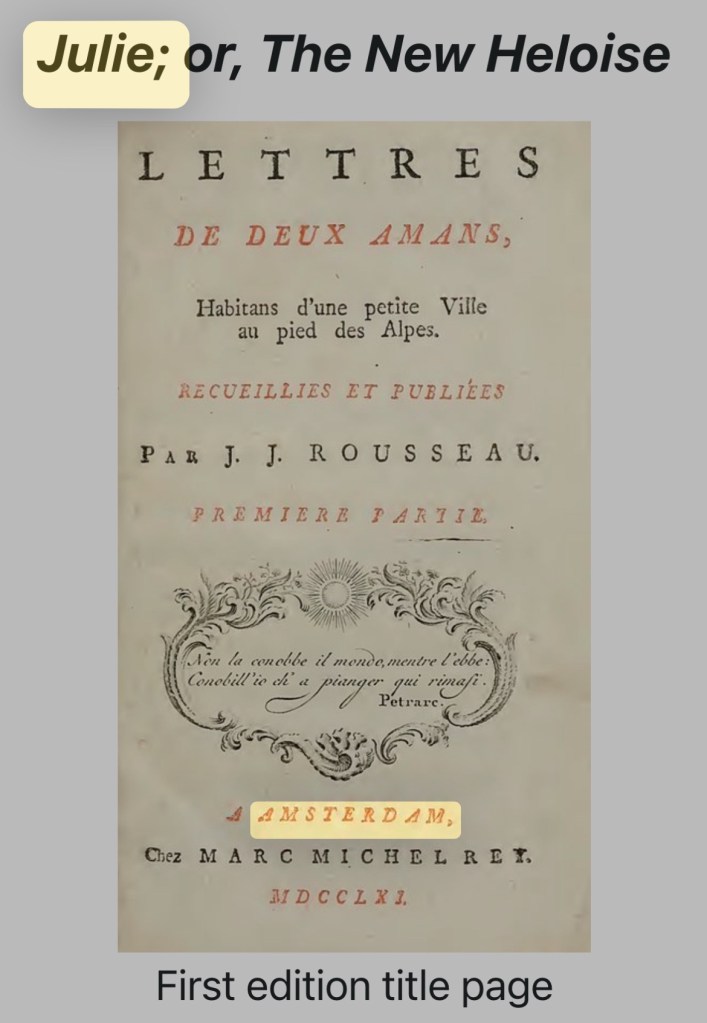
Amsterdam.
Julie… Amsterdam.
My nickname. My name. A divine breadcrumb, perfectly timed.
I followed it all the way to France.
The trip itself was far from smooth. The person I had planned it with left me after a tense night at the Moulin Rouge, canceling all of our future reservations.
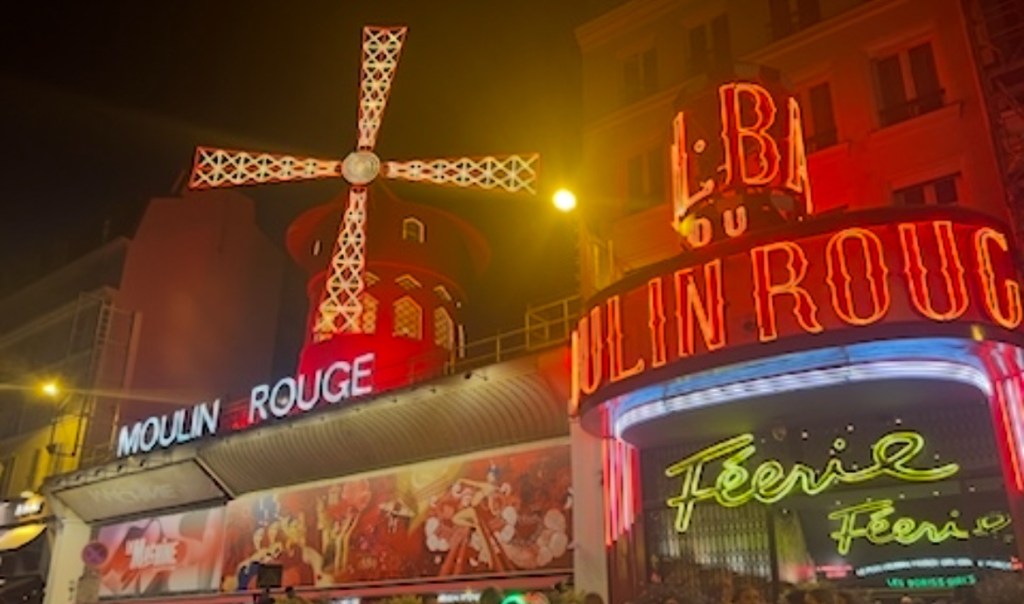
I was suddenly alone. But I pressed on. I had an incredible experience alone in the Loire Valley the next morning, as if it was always supposed to happen that way. I had remembered being there before, though I had never been.
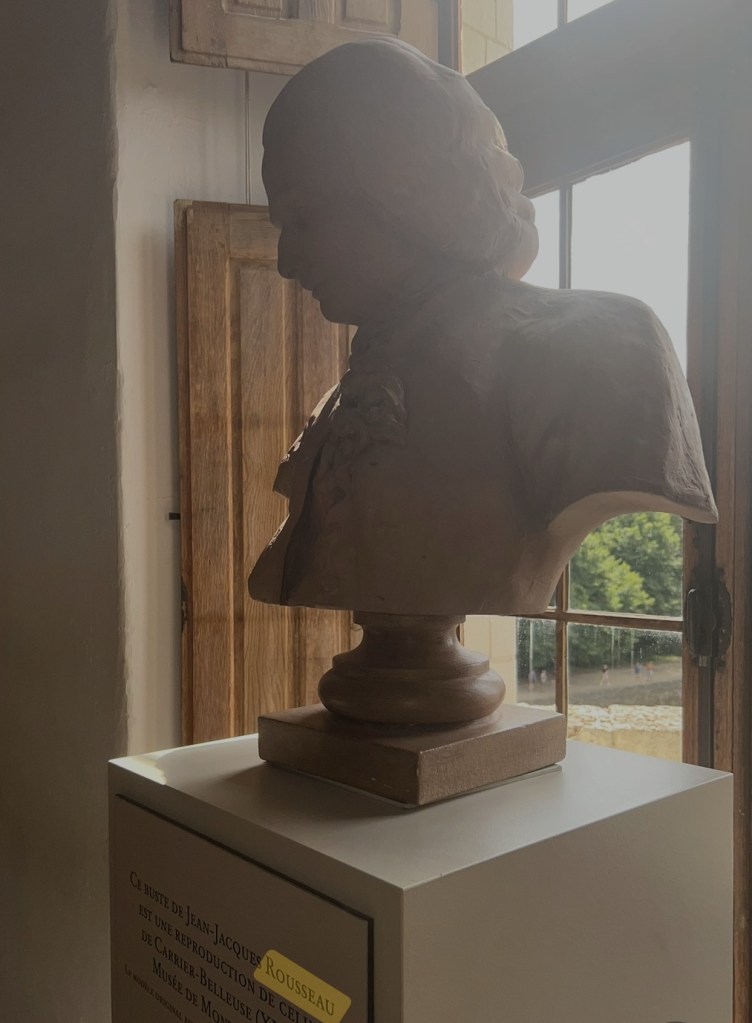
The next day, I then went to the Panthéon in Paris, where Rousseau is buried—only to arrive just minutes too late. I was turned away at the gate for having my ticket canceled.
Heartbroken, I walked away in tears… and that’s when I met him.
Outside the Panthéon.
Outside the resting place of my ancestor.
That’s where I met my fiancé.
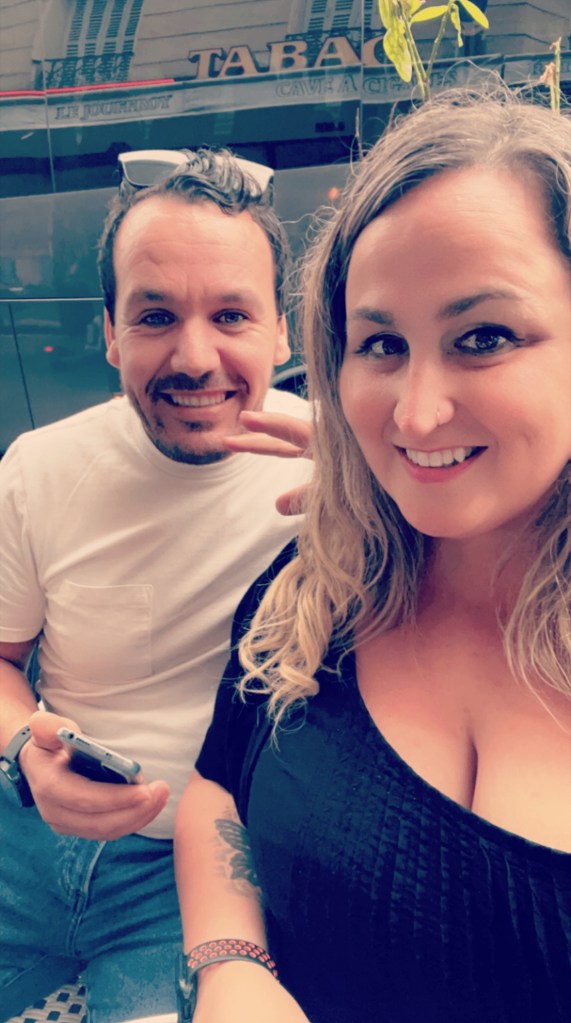
Love, legacy, and freedom converged in a single moment I could never have scripted.
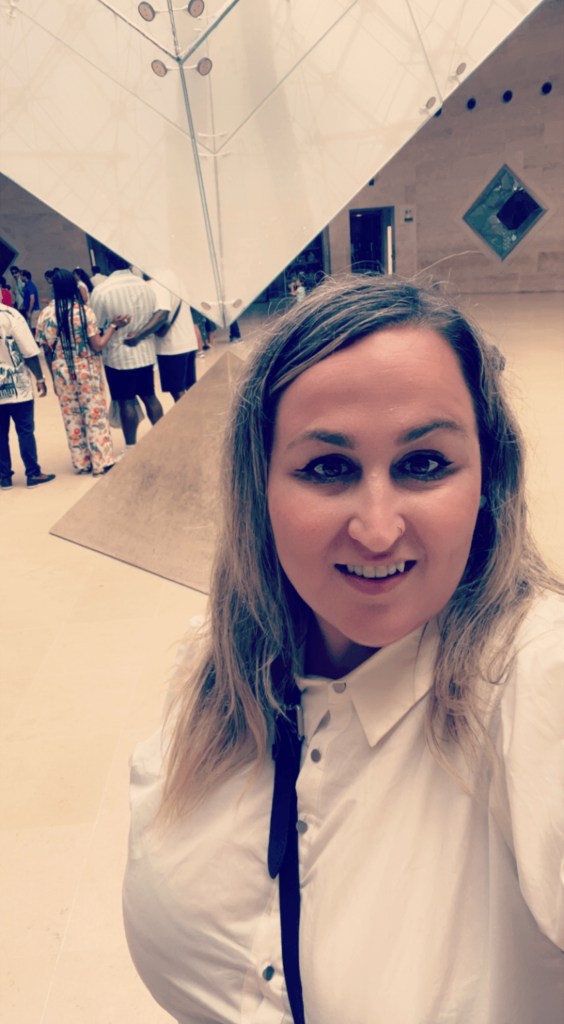
And now I understand: this path isn’t just mine. It’s inherited. Rousseau was one of the most influential voices of the Enlightenment—but not the godless radical many paint him to be. He was spiritual without dogma, deeply reverent of Jesus, and morally ahead of his time.
“If the life and death of Socrates are those of a sage, the life and death of Jesus are those of a god.”
(Émile)
He believed in the innate goodness of humanity, and in our natural empathy for animals:
“The blood of animals revolts us in our infancy, before habit has changed our nature.”
Like me, he believed true freedom comes from within—and that constraint placed upon conscience is the most dangerous kind.
“Happiness is the absence of constraint. The only chains that do not shackle are those we forge from love.”
(Julie, or the New Heloise)
That quote feels like it was left for me to find. And now I carry it forward—in my life, my work, and the book I’m writing: The Lost Path to Freedom.
This was never just a story about travel. It was a spiritual homecoming. A remembering. A breaking open of a secret long held in silence, finally ready to be lived out loud.
Follow my journey as I continue to explore this path.
[Instagram: @julietour]
 Julie Tourangeau