Would France Fine Jesus for Stopping the Slaughter? Examining the Brigitte Bardot Free-Speech Scandal

By Julie Tourangeau | julietour.com

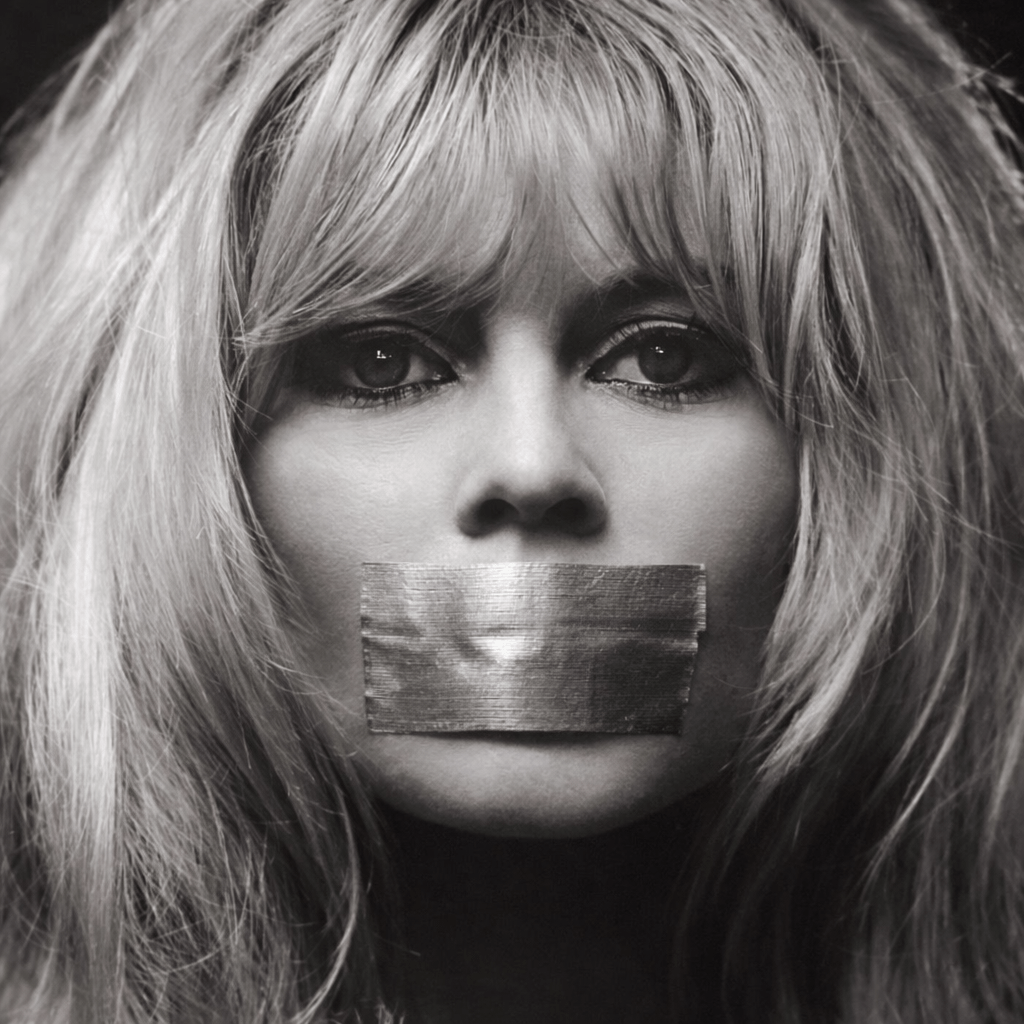
There are moments when a cultural controversy reveals far more than the headline suggests. The legal battles surrounding Brigitte Bardot are one of those moments—not because everyone agrees with her, but because of what her punishment exposes about the boundaries of conscience, dissent, and speech.

Bardot has long been labeled far right, dangerous, or racist in popular shorthand. But that framing collapses under even minimal scrutiny.

Her most controversial comments—those that led to repeated fines in France—were driven by a core obsession: her opposition to religious ritual slaughter of animals, and the exemptions that allow it to continue.

Not a rejection of human worth.

Not a call for violence.

Not an argument for cruelty toward people.

But a moral objection to practices she believed normalized suffering.

And yet, she was fined.

That should give us pause.
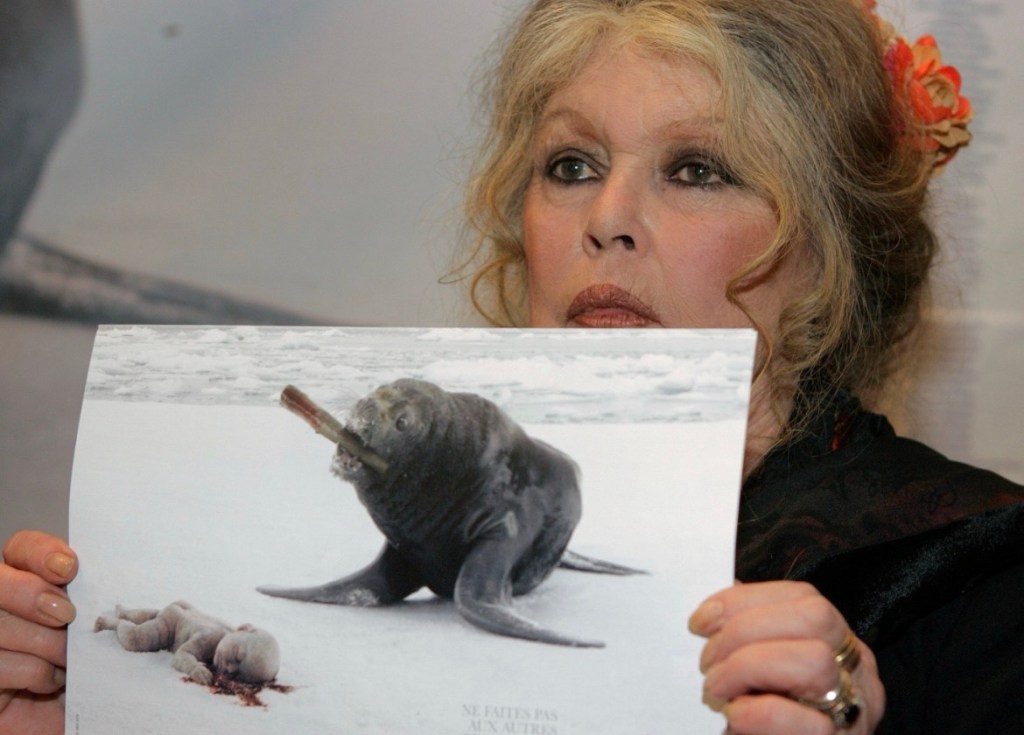
Brigitte Bardot’s activism has long centered on animal welfare—yet her speech became a criminal matter. (AFP/Fabrice Coffrini)

What Bardot Was Actually Criticizing

For decades, Bardot has been a fierce animal-rights advocate. She has criticized:

-Industrial factory farming

-State-sanctioned cruelty toward animals

-Religious exemptions that allow slaughter methods outside general animal-welfare laws

Her objections were ethical, not racial. She spoke about practices, not people. And she applied her critique consistently—across traditions, industries, and ideologies.

She has even publicly criticized American conservatism and figures on the U.S. right, complicating the lazy attempt to categorize her as some kind of ideological extremist.

And yet, in France, intent is not the threshold. Impact is.

Under French hate-speech laws, speech that is deemed to stigmatize a protected group—even indirectly—can be criminally punished. Bardot’s language, the courts ruled, crossed that line.

The result? Fines. Convictions. A legal record.

Not for inciting violence—but for offending.
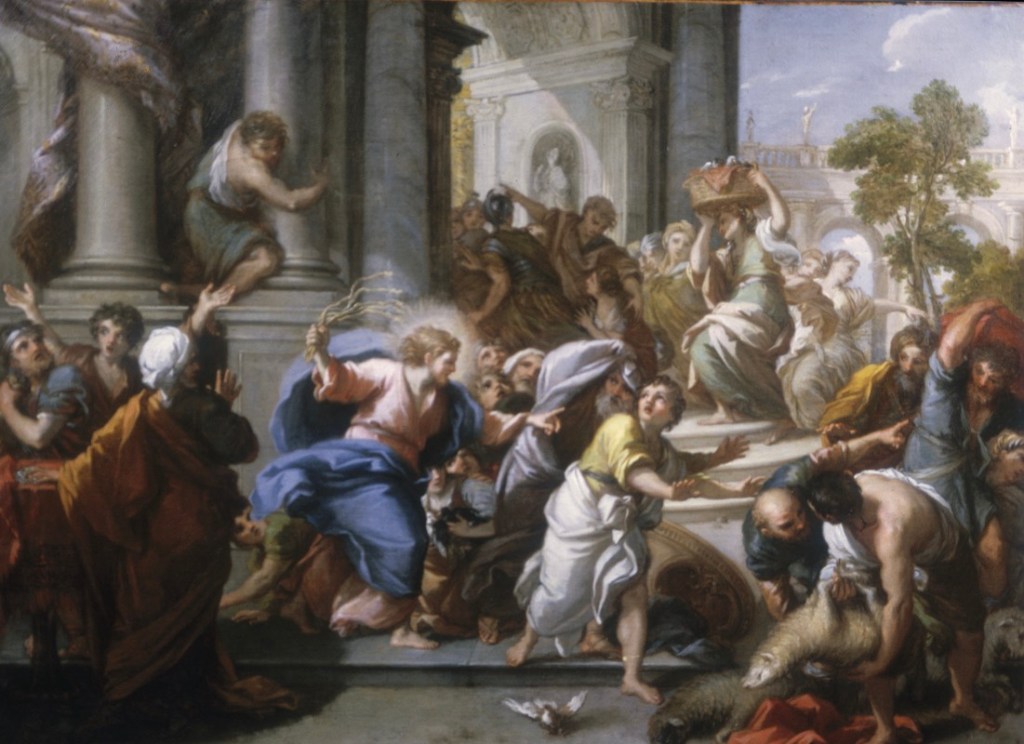
The cleansing of the temple: moral confrontation, not polite dissent.

The Question We’re Afraid to Ask

Which brings us to a question that makes many people uncomfortable—but shouldn’t.

In the Gospels, Jesus does something extraordinary. He enters the temple and disrupts what had become a sanctioned system of exploitation and slaughter. He overturns tables. He drives people out. He condemns the normalization of harm—done in the name of religion.

This was not gentle speech.

It was not neutral.

It was not “inclusive” by modern bureaucratic standards.

It was moral confrontation.

So the question becomes unavoidable:

If Jesus did that today—if he publicly condemned ritual slaughter in the name of compassion—would France fine him too?

Under current law, depending on how his words were interpreted and who felt collectively targeted, the answer is disturbingly close to yes.

That should trouble anyone who believes moral progress requires the freedom to challenge tradition.

Criticizing Practices Is Not Attacking People

Somewhere along the way, we lost a crucial distinction:

People are not practices.

You can love human beings deeply while still questioning customs, doctrines, and systems that cause harm. In fact, that is how ethical evolution has always occurred.

Religious traditions themselves are not static. Many believers—Muslim, Jewish, Christian, and otherwise—are actively debating animal welfare, compassion, and the future of ritual practices. That debate is not hatred. It is conscience at work.

Silencing it does not protect faith.

It freezes it.

When conscience meets the law, who decides what may be said?
Illustration by Matteo Giuseppe Pani / The Atlantic.

France, America, and the Limits of Speech

This controversy highlights a real and often ignored contrast.

In the United States, freedom of speech is protected precisely because it allows uncomfortable ideas to surface. The remedy for bad speech is more speech, not state punishment.

In France, the state plays a far more active role in determining what may be said when protected groups are implicated. The intention behind this is understandable—but the consequences matter.

Once speech is punished not for violence, but for moral disagreement, a dangerous precedent is set.

Because today it is an actress.

Tomorrow it could be a philosopher.

A theologian.

A reformer.

Or someone simply asking the wrong question out loud.

The Slippery Slope Is Not Theoretical

History is full of examples where moral dissent was first labeled “dangerous” before being recognized as necessary.

Abolitionists were once radical.

Women demanding the vote were once threats.

Nonviolent resistance has always made systems uncomfortable.

Jesus himself was not executed for kindness—but for disruption.

When societies conflate disagreement with bigotry, they don’t just silence extremists. They silence reformers.

A Clarification That Shouldn’t Be Necessary—But Is

For the record, and because accusations have replaced dialogue in modern discourse: I am marrying into a Muslim family. This is not about fear of the “other.” It is about preserving the right to question systems that normalize harm, regardless of who upholds them.

Ethics cannot be outsourced to tradition alone.

Compassion cannot be selectively applied.

If we lose the ability to speak honestly about that—without fines, labels, or legal threats—then freedom of conscience becomes conditional.

And history tells us where that leads.

The Question That Remains

The issue is not whether speech should be responsible.

It should be.

The issue is who decides when moral conviction becomes a crime.

Because if compassion itself becomes punishable, then yes—we should be willing to ask plainly:

Would France fine Jesus for stopping the ritual slaughter?

This essay is dedicated to the memory of Brigitte Bardot—whose uncompromising advocacy for animals forced uncomfortable but necessary questions about conscience, compassion, and the cost of speaking openly in modern society.
A Paris-Inspired Vegan Egg Benedict, Made at Home

By Julie Tourangeau | julietour.com

Sometimes you don’t bring Paris home by recreating it… you bring it home by trusting yourself more.

There’s a moment that happens after Paris.

Not when you land, not when the suitcase is unpacked—but a few days later, standing in your own kitchen, when your body remembers something before your mind does.

The way food felt slower there.

The way nothing was rushed or optimized.

The way a simple plate could feel intentional instead of indulgent.

I always think I’ll bring Paris home with me in big ways—new habits, new routines, a whole new version of myself. But it never works like that. What actually comes back with me are small things. Textures. Instincts. The confidence to trust my taste.

Paris has a way of reminding you that pleasure doesn’t need permission.

Eating Our Way Through Paris

Part of what made Paris linger this time was the food my fiancé and I shared.

Not just the meals themselves, but the way they unfolded—slowly, attentively, without excess. Fresh vegetables that actually tasted alive. Delectable tarts and flans that were rich without being heavy, elegant without trying. Food that didn’t shout, but stayed with you.

One Sunday, we wandered into a quaint vegan restaurant in the 11th arrondissement—the kind of place you could miss if you weren’t looking for it. Small wooden tables. Soft light. Quiet confidence. No spectacle.

I ordered a vegan Benedict that tasted like something dreamed up, not engineered. Silky sauce. Perfect balance. Comforting without being dull. The kind of dish that makes you pause mid-bite, smile, and know you’ll be thinking about it long after the plates are cleared.

It wasn’t about novelty. It was about restraint. About trusting ingredients. About letting vegetables lead and seasoning support rather than disguise.

Sitting there together, sharing bites and glances and that unspoken this is good, I didn’t realize it at the time—but that meal would follow me home.

Vegan dreams are made of moments like that.

Je rêve.

Bringing the Feeling Home

Back in my own kitchen, that memory showed up quietly.

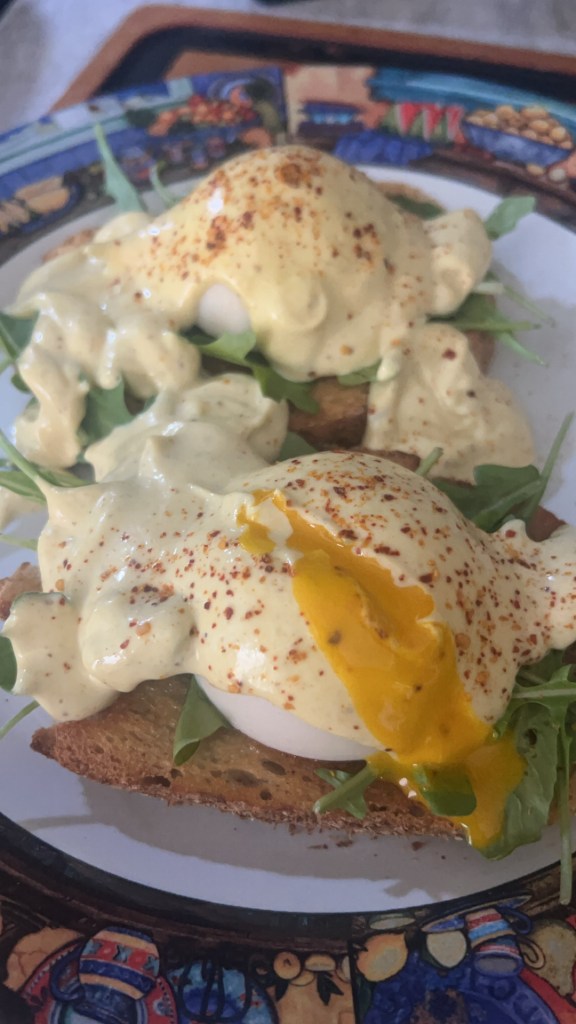
Buttered rustic sourdough toast. A bed of arugula. A soft vegan egg. And a sauce I didn’t measure.

I wasn’t trying to recreate Paris exactly. I wasn’t chasing “authentic.” I just wanted the feeling…that café-morning sense where food is made to be enjoyed.

So I made my own version.

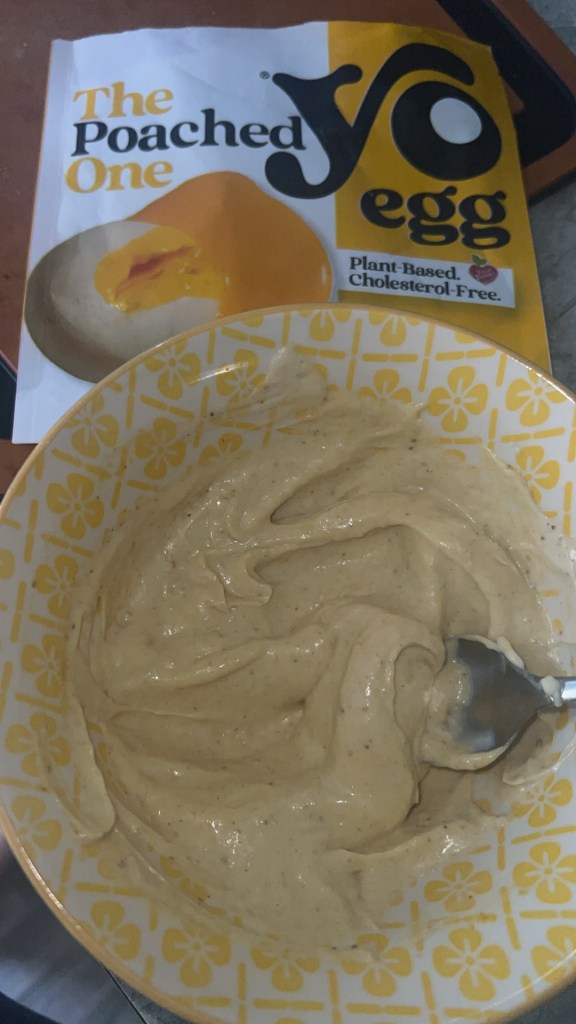
A silky, lemony sauce built from vegan mayo, mustard, nutritional yeast, and black salt—warmed gently and loosened with a touch of water. A dusting of piment d’Espelette, because once you’ve used it in France, you never forget it.

Was it Parisian?

Not technically.

But it felt right.

That’s what Paris teaches you if you’re paying attention: you don’t bring it home by copying it. You bring it home by trusting yourself more.

By letting intuition lead instead of rules.

By choosing what feels good over what’s correct.

By understanding that my version isn’t a compromise—it’s the point.

This wasn’t really about eggs Benedict. It was about remembering that pleasure can live in your own kitchen. That you don’t need a reservation, or a plane ticket, or a €12 coffee to feel nourished.

Paris reminds you who you are.

Home is where you practice it.

And sometimes that practice looks like standing barefoot at the counter, sauce still warm, thinking:

Yeah. This is good. Magnifique.

Paris-Inspired Vegan Egg Benedict (My Way)

A flexible, intuitive recipe — adjust by taste, not rules.

Ingredients

• Toasted bread of choice, buttered

• Fresh arugula

• Vegan egg (such as Serve Yo Egg), prepared according to package instructions

Silky Vegan Hollandaise-Style Sauce

• ¼ cup vegan mayo

• 1½–2 teaspoons lemon juice

• ½ teaspoon yellow mustard (or more to taste)

• ½–1 teaspoon nutritional yeast

• Pinch of black salt (kala namak), to taste

• ½–1 teaspoon warm water (for silkiness and warmth)

• Piment d’Espelette, for finishing

Method

1. Make the sauce:
In a small bowl, whisk the vegan mayo and mustard until smooth. Slowly add lemon juice, then nutritional yeast. Add warm water a little at a time until the sauce becomes glossy and spoonable. Season gently with black salt.

2. Assemble:
Layer arugula onto buttered toast. Add the warm vegan egg. Spoon the sauce generously over the top.

3. Finish:
Dust lightly with piment d’Espelette. Serve immediately, while everything is warm and relaxed.

Bon appétit 😋

“Arrête Emergency”: When My Twin Flame Appeared and Created a World Between Languages

🌍How a Franglais panic in a Miami rainstorm became one of the most meaningful inside jokes of my relationship.

By Julie Tourangeau | julietour.com

Some soulmate stories begin with flirty glances at a party.

Mine began with tears.

I had just been turned away from my ancestor’s grave — a moment heavy with emotion, history, and spiritual weight. I was crying on the sidewalk when my Uber driver pulled up. The first one had canceled. The second one — the one who actually arrived — happened to be him.

At the time, I didn’t understand the magnitude of that moment.

But looking back, it was unmistakably divine timing: the universe weaving together ancestry, grief, coincidence, and destiny in one seamless intersection.

And here’s the unexpected part:

even though I was crying, and even though the moment was emotional, the energy between us was surprisingly light.

There was flirtation from the beginning — warm, subtle, natural.

His smile carried that effortless French ease I would later come to know so well.

He joked gently, easing the weight of the moment without diminishing it.

And then he reached for my hand.

Not dramatically.

Not boldly.

Just naturally — as if he already knew me.

And when he did, something ancient awakened in me.

It wasn’t attraction alone.

It was recognition.

Twin Flames Don’t Enter Quietly — They Enter Through Meaning

Long before this happened, I had written openly on my own website about twin flames — about the truth that these connections are not fantasies, but profound energetic mirrors, shared purpose, and divine timing.

I wrote that twin flames often enter your life at a crossroads event — a moment that could go one way or another, and the universe intervenes.

That is exactly where I was standing:

• outside the lineage of my family

• emotional and vulnerable

• trying to honor my past

• when a canceled Uber redirected my entire future

That’s how twin flame crossings happen:

quietly, powerfully, and at the exact moment you are open and unguarded.

Before the Inside Jokes, There Was Ease

People imagine soulmate beginnings as cinematic, but the truth is simpler and deeper:

When he arrived, there was an immediate ease.

A calmness.

A familiarity that didn’t make sense yet made perfect sense.

We weren’t laughing hysterically the way we would in Miami a year and a half later, but we were absolutely laughing that first day — small jokes, little comments, gentle flirtation.

That mixture of ease + spark is the beginning of every twin flame story I’ve ever written about.

Something inside me recognized him long before my mind understood why.

Miami & “Arrête Emergency”: The Moment Our Third Language Was Born

Fast-forward a year and a half later:

Miami.

Rain pouring.

A BMW convertible.

Chaos rising.

He accidentally pulls into a lane he absolutely should not be in, and my nervous system panics into this spontaneous Franglais eruption:

“Arrête emergency!”

Perfectly imperfect.

Not English.

Not French.

Just instinct.

That moment could have turned into a fight.

He could have felt criticized.

He could have shut down or reacted with ego.

But instead?

He laughed with me, not at me.

He softened.

And somehow, the fear dissolved into connection.

A stressful moment became one of our most cherished inside jokes.

A rupture turned into intimacy — the true sign of emotional compatibility.

That’s when we created our own language.

The French Call It “Un Délire à Deux”

Our relationship slowly became what the French so perfectly call:

un délire à deux

A private world. A shared delirium only the two of us understand.

It wasn’t just language between us — it was culture.

We created:

• a rhythm

• a shared humor

• a playful bilingual dialect

• a softness inside tension

• a world no one else understands

Another French expression describes it even better:

notre petit monde

our little world.

That’s exactly what this love feels like:

a world that exists between languages, between lifetimes, between destiny and human choice.

The Twin Flame Breadcrumbs That Followed

On my website, I once wrote that twin flame connections unfold through synchronicity — moments that are too precise, too unlikely, too mirrored to ignore.

And after he came into my life, something surreal happened:

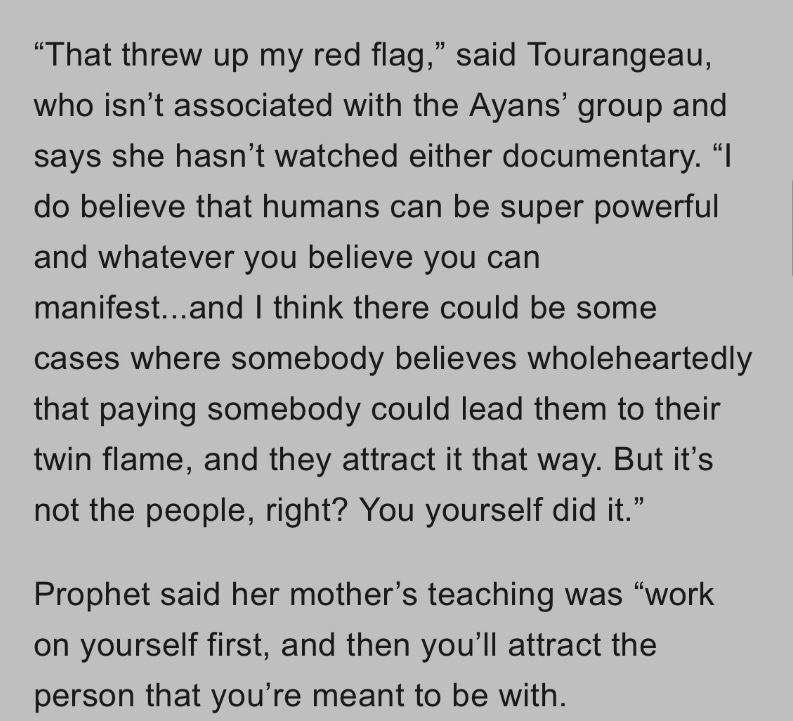
MLive called my agency wanting to interview me about twin flames.

A random weekday.

No connection.

No reason.

No explanation.

Just a journalist calling out of nowhere to talk about the exact spiritual concept I had been writing about — right as I was living it.

I had spent years writing about soul recognition, divine timing, and the way love can arrive through synchronicity… and suddenly I was being featured as an expert, telling the story of how I met my twin flame after being turned away from my ancestors’ crypt in Paris.

My words appeared beside the daughter of Elizabeth Clare Prophet—two women speaking about destiny, spiritual awakening, and the power of inner transformation.

The article wasn’t just press.

It was a sign.

A mirror.

A cosmic nod saying, “Yes, you are living exactly what you’ve always known.”

That wasn’t coincidence.

It was confirmation.

Source: Mlive.com

His Smile, His Ease, His Spirit: The First Signs I Recognized

From the beginning, he carried a presence that felt familiar:

• light but grounded

• confident but kind

• playful but steady

• gentle but magnetic

His smile was the first thing I noticed, and I remember thinking:

This feels like someone I’ve known before.

And the moment he took my hand — on the day I was grieving my ancestors — something inside me whispered:

“This is part of your story.”

Not just romantically — spiritually.

Safety: The Language That Doesn’t Need Translation

The arrête emergency moment illustrates something essential:

With him, my vulnerability does not create danger.

It creates closeness.

In my past, vulnerability meant:

• being misunderstood

• being criticized

• being punished

• being too much

• being unsafe

With him, vulnerability becomes:

• safety

• laughter

• softness

• connection

• repair

Twin flames don’t show up to create chaos.

They show up to mirror truth, expand you, soften you, and make you brave again.

Humor: The Love Letter Between Lifetimes

He still quotes it —

“Arrête emergency.”

And every time, it brings back the memory, the fear, the relief, and the intimacy of that moment.

Inside jokes are not trivial.

They are emotional timestamps.

Proof that two souls moved through something together.

Humor is how our souls remind each other:

• we’re safe

• we’re connected

• we remember

• we choose each other again and again

It’s our language now —

a language built on everything we’ve survived and softened together.

Our Love Lives Between Languages, Between Lifetimes

We didn’t meet through perfection.

We didn’t meet through grammar.

We didn’t meet in a moment of joy.

We met through emotion, vulnerability, ancestry, timing —

and a man who held my hand when I was crying outside my family’s resting place.

But over time, our love built its own language:

• part English

• part French

• part memory

• part destiny

• part soul

A language only we speak.

A world only we inhabit.

A true délire à deux —

ridiculous, tender, fated, bilingual, ancestral, and unmistakably ours.