

By Julie Tourangeau | Good Friday, 2025
Before the tomb was empty…
before the stone was rolled away…
before the anointing and the rising and the glory…
there was a moment we rarely talk about.
And it didn’t happen on a hill.
It happened in the Temple.
It was there that Jesus walked in, looked around, and did what no one else dared:
He freed the animals.

The Cleansing of the Temple Was a Liberation
All four canonical gospels record the Temple cleansing, but what most people miss is why it mattered so much.
Jesus didn’t just flip tables to make a scene.
He drove out the sellers of doves. He freed the lambs and oxen being sold for sacrifice.
According to the Gospel of the Nazarenes, a lost early gospel aligned with the Essenes:
“He drove out the animals and said, ‘Cease your wicked sacrifices! Do you not see that innocent blood cries out from the earth?’”
In that moment, Jesus publicly rejected the sacrificial system—a system that normalized bloodshed and called it holy. He saw through the illusion of substitutionary violence and revealed the deeper truth:
The Holy Spirit is not found in the shedding of blood, but in the honoring of life.
And from that moment on, the system moved to silence him.
The First Step Toward Resurrection Was Setting the Innocent Free
Let this sink in:
It wasn’t the miracles that got Jesus killed.
It wasn’t the healings or the parables or even claiming to be the Son of God.
It was the moment he freed the animals that the wheels of execution began to turn.
This was the turning point—not just in his story, but in ours.
Because Jesus wasn’t just liberating animals. He was exposing a system—religious, economic, cultural—that had come to depend on suffering.
And he showed us what it looks like to say:
No more.
The Divine Feminine Knew
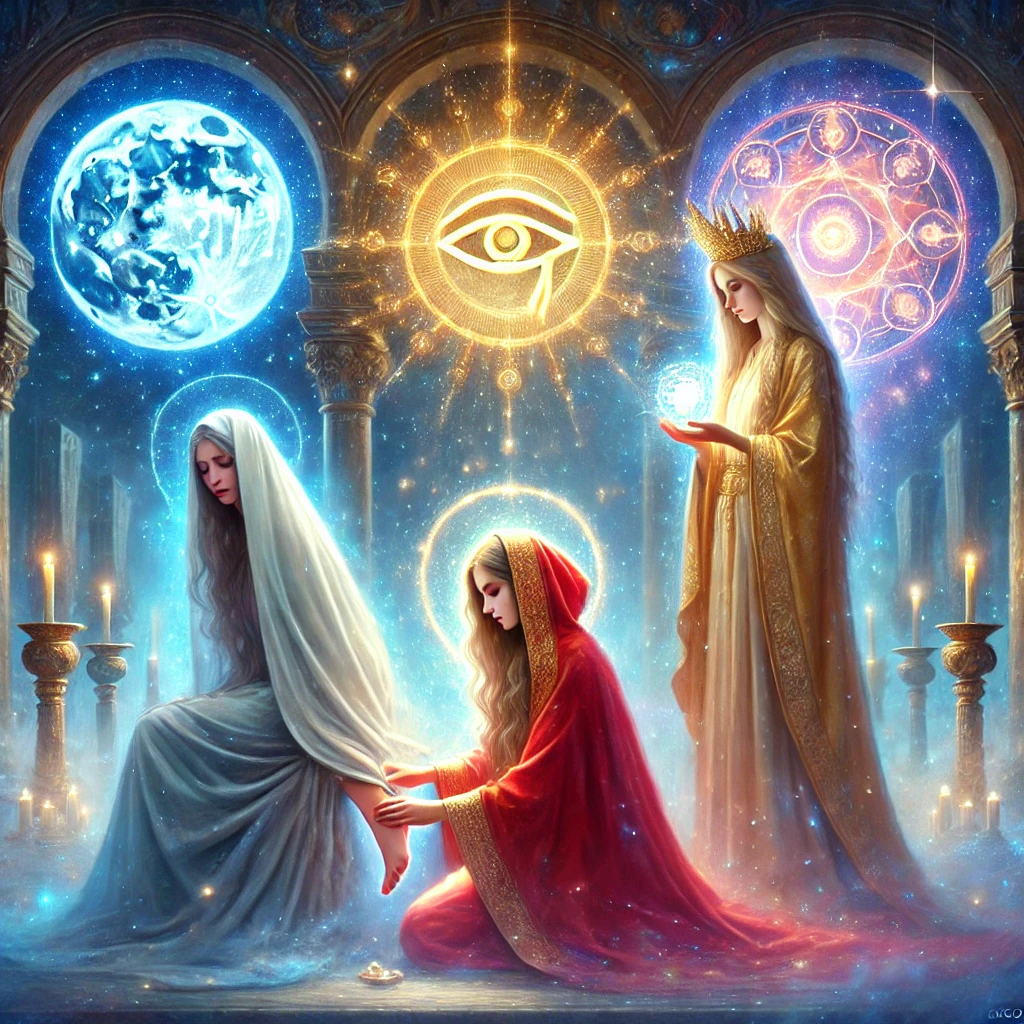
Many people associate Easter with the idea that Jesus died to pay for our sins—but that interpretation came later. The earliest followers of Jesus saw his life and death not as a blood payment, but as a revelation of divine love and a call to awaken the Christ within. Texts like The Gospel of the Holy Twelve remind us that his suffering was not about appeasing wrath, but about healing hearts, breaking chains, and showing us the path of compassion, even in the face of injustice.
What followed was suffering, yes—but also sacred initiation. And through it all, the ones who stayed near were not the theologians or temple authorities. It was the women.
Grief was his first initiation, through Miriam, the young woman with whom Jesus lived for seven years before her death. According to The Gospel of the Holy Twelve, it was her passing that opened his heart to the deeper path. According to this gospel, « Grief didn’t weaken him. It awakened him. »
Before knowing about this grief story of Jesus, I wrote about my own:
“Without my dark night of the soul, and without having challenging circumstances, I wouldn’t have grown my blessings… Painful change is sometimes exactly what we need to shake things up. Living through trauma, family drama, and the grief of losing a loved one can feel almost like an endless dark tunnel… Grief is just love with seemingly no place to go, but when you realize love shared is eternal, you can finally let go of the pain and gain the wisdom that is rightly yours.” — Free Yourself from Grief, Chapter 5
Compassion was his final anointing, through Mary Magdalene—not a sinner, but a priestess. She anointed his feet, honoring him with a sacred rite passed down through feminine lineages.
And when he was crucified, it was Magdalene who remained. While the male disciples fled, she stood at the cross, and three days later, she was the first to see him risen.
The resurrection was not first revealed to Rome or religion. It was revealed to her.
And wisdom—Sophia—was the soul behind it all.
The Spirit of God that hovered over the waters in Genesis.
The voice crying out in the streets in Proverbs.
The divine spark in all life, calling us home.
What if Easter was just the beginning?
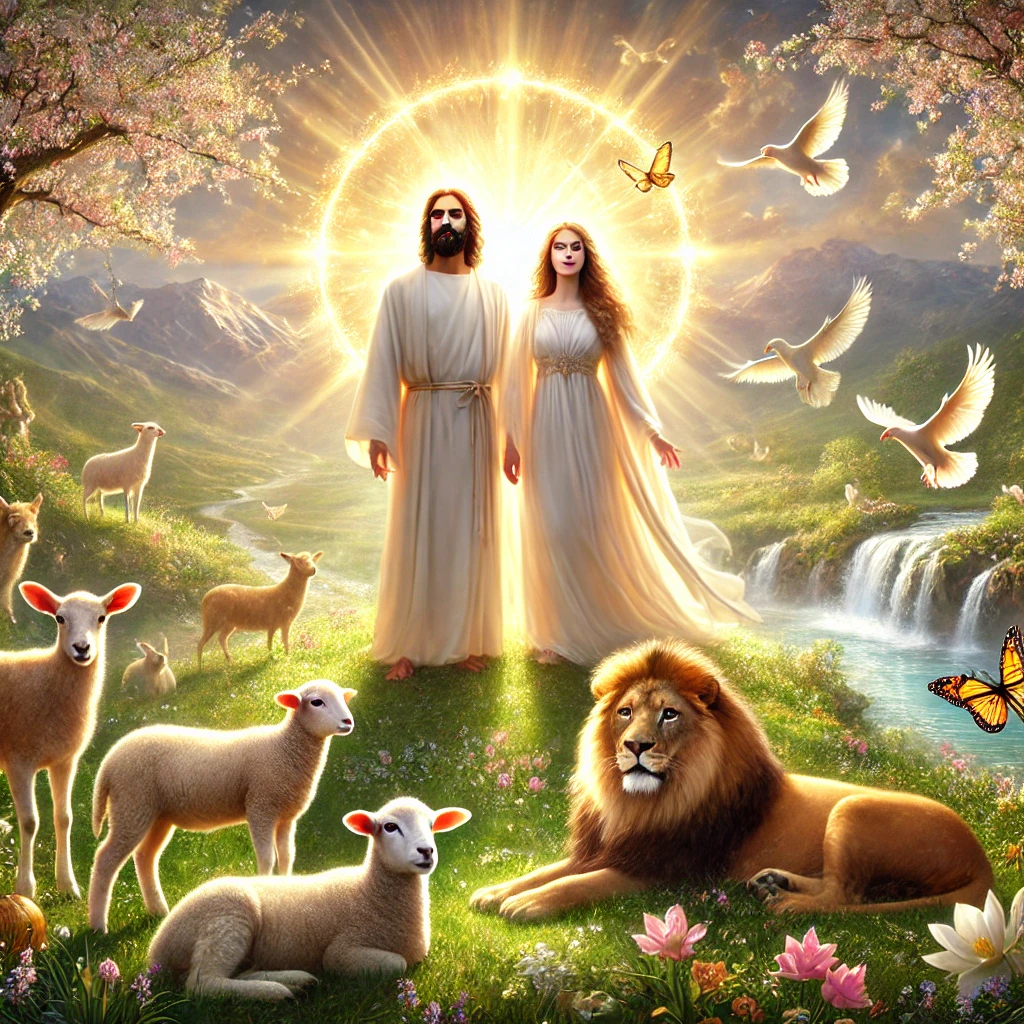
While many see the resurrection as the end of Jesus’ story, ancient traditions—especially in southern France—tell a different tale. According to Provençal legend, Mary Magdalene journeyed to France after the crucifixion, carrying not only the memory of Jesus but the living essence of his teachings. Some say she preached love and liberation from a cave near Sainte-Baume, others believe she brought with her the sacred feminine that was erased from the official story. The Holy Grail Legends say she brought his bloodline to France, and they still walk Earth among us to this very day.
Easter Is the Unveiling of Compassion
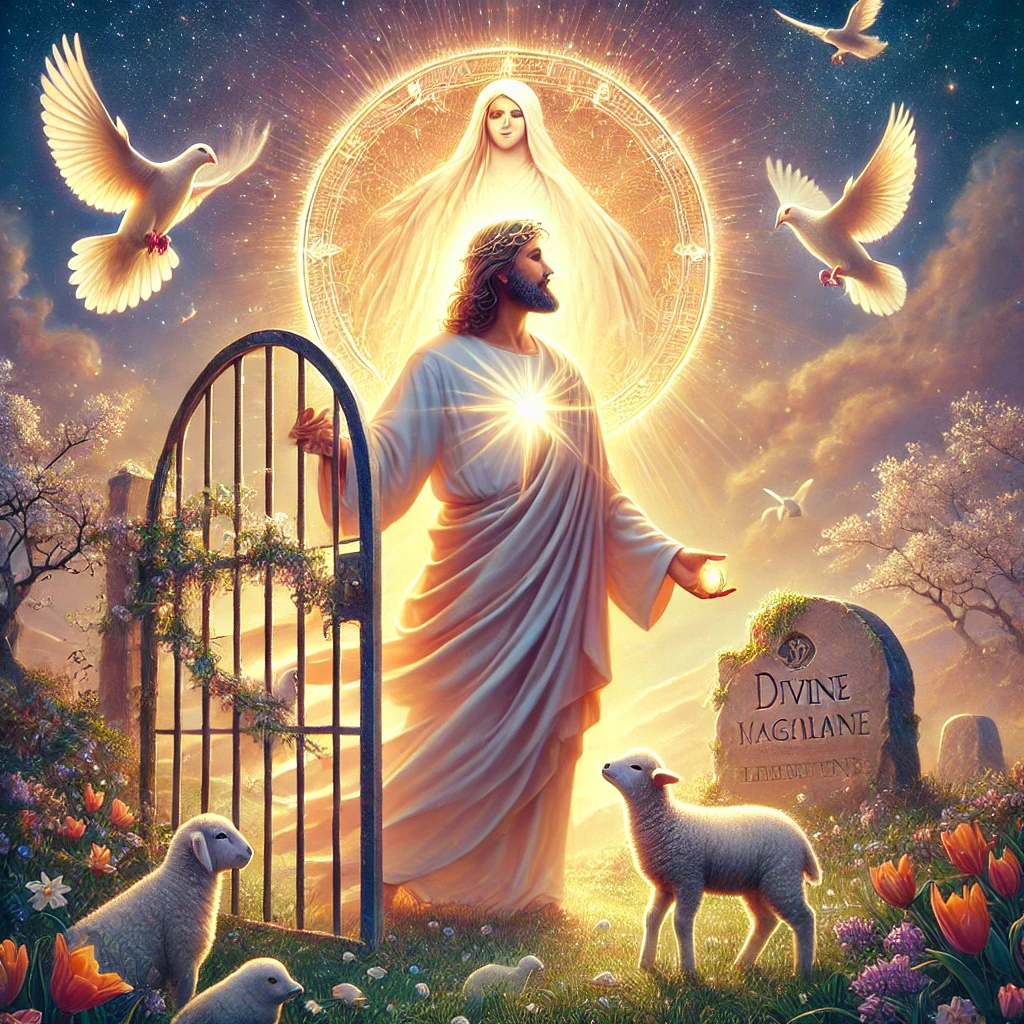
This Easter, I invite you to see the resurrection not as a distant miracle, but a living pattern.
The pattern begins with letting go of violence.
It moves through grief.
It is held by the feminine.
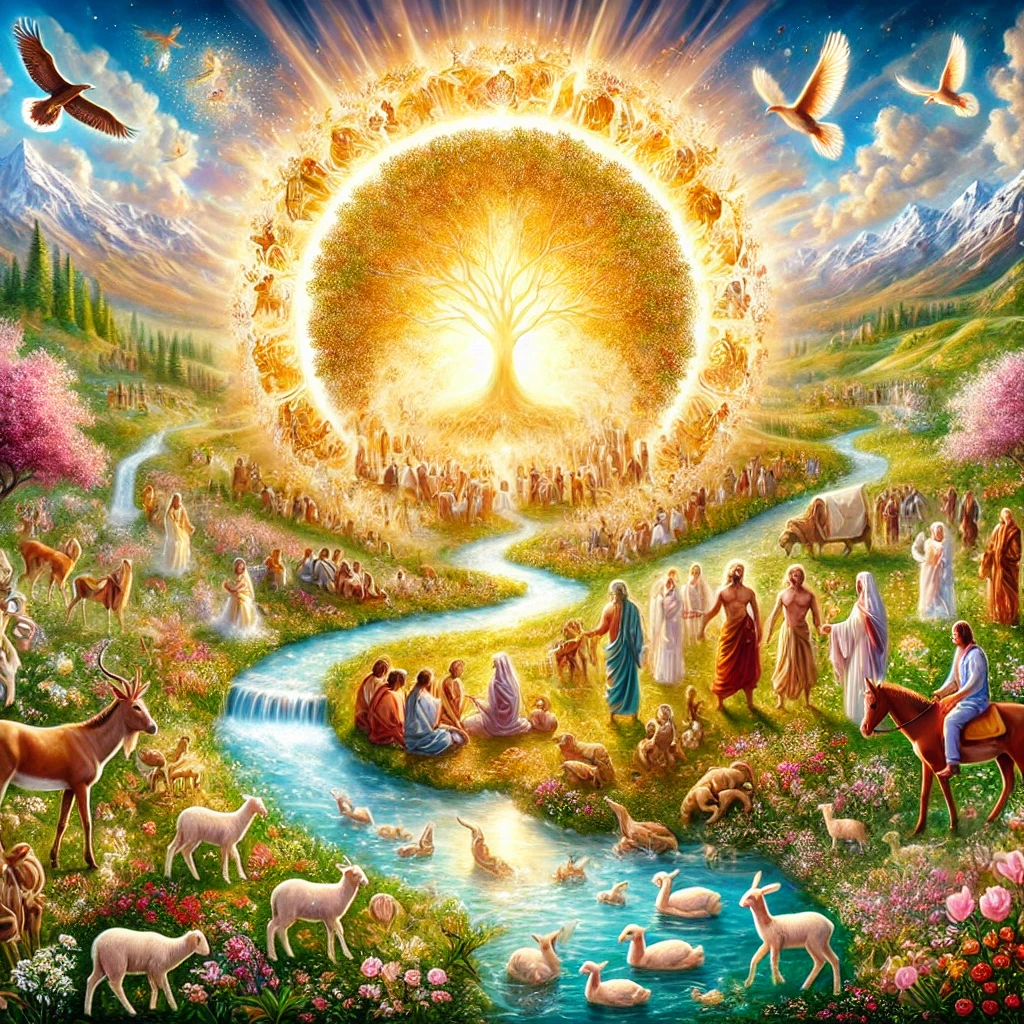
And it ends in freedom—not just for ourselves, but for all of creation.
Resurrection isn’t just rising from the dead.
It’s refusing to live by death.
It’s refusing to justify harm.
It’s the choice to let the doves go free.
To Walk the Lost Path to Freedom This Easter Is To Remember:
• The animals were the first to be freed.
• The women were the first to understand.
• Sophia is the wisdom that lives in you.
• The Holy Spirit is the breath that animates all life.
• And love is not proven through suffering, but through liberation.
This Easter, may we not just celebrate a risen Christ,
but live like him.
May we be the ones who open the cages,
who hold the grief,
who anoint the new day.
May we rise—not above the world, but for it.
Free the animals.
Free the heart.
And the stone will roll away.


 Julie Tourangeau