
By Julie Tourangeau | julietour.com
There is a particular sound to coerced speech.
It isn’t silence.
It isn’t lies.
It’s misalignment.
You can hear it when someone is speaking, but the words don’t belong to them.
Pattern Recognition: Clocking Misalignment in Behavior
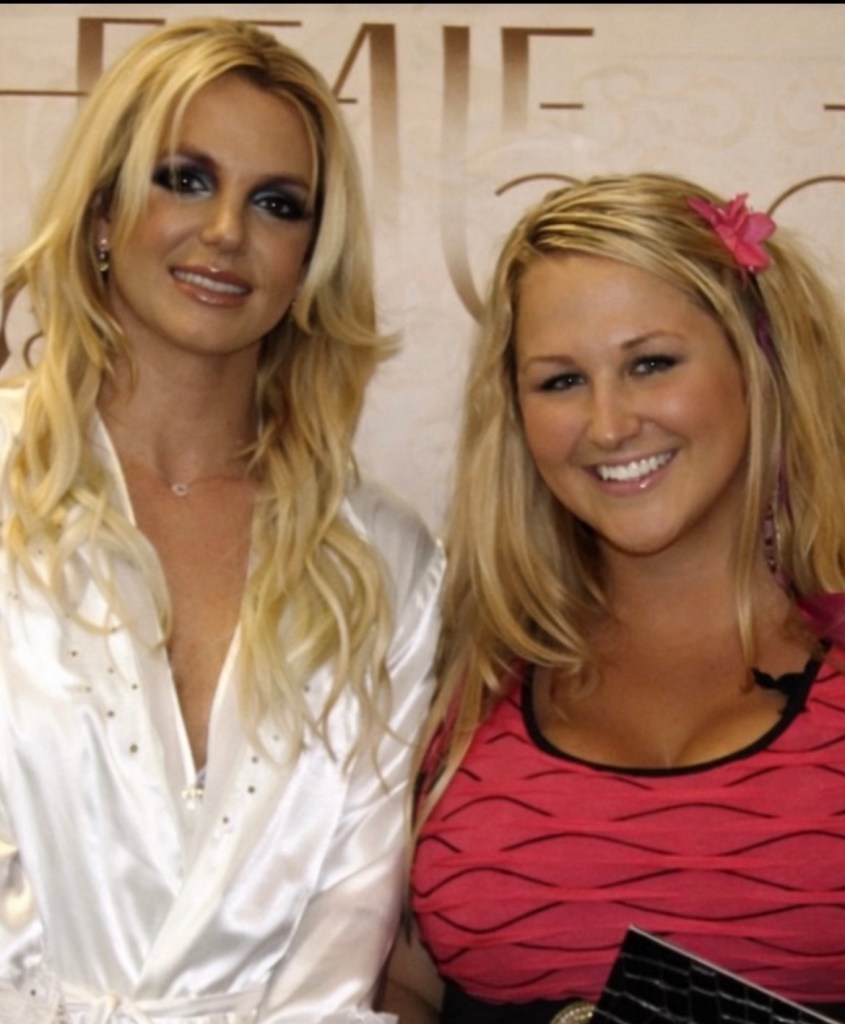
I first recognized this sound in 2011, meeting Britney Spears during her Femme Fatale tour.
It wasn’t about her talent or her kindness — both were undeniable.
It was the unmistakable sense that there was power in the room that did not belong to her.
Something watching.
Something shaping the perimeter of what could be said, where she could stand, who she could be seen with.
She seemed frightened — not dramatically, not hysterically — but alert. Of everything. Of everyone.
I clocked it immediately.
Years later, the conservatorship made that feeling legible. But what’s often missed is how power communicated during that period — not through overt commands, but through symbolic proximity, forced alliances, and public signaling.
Messaging as a Leash
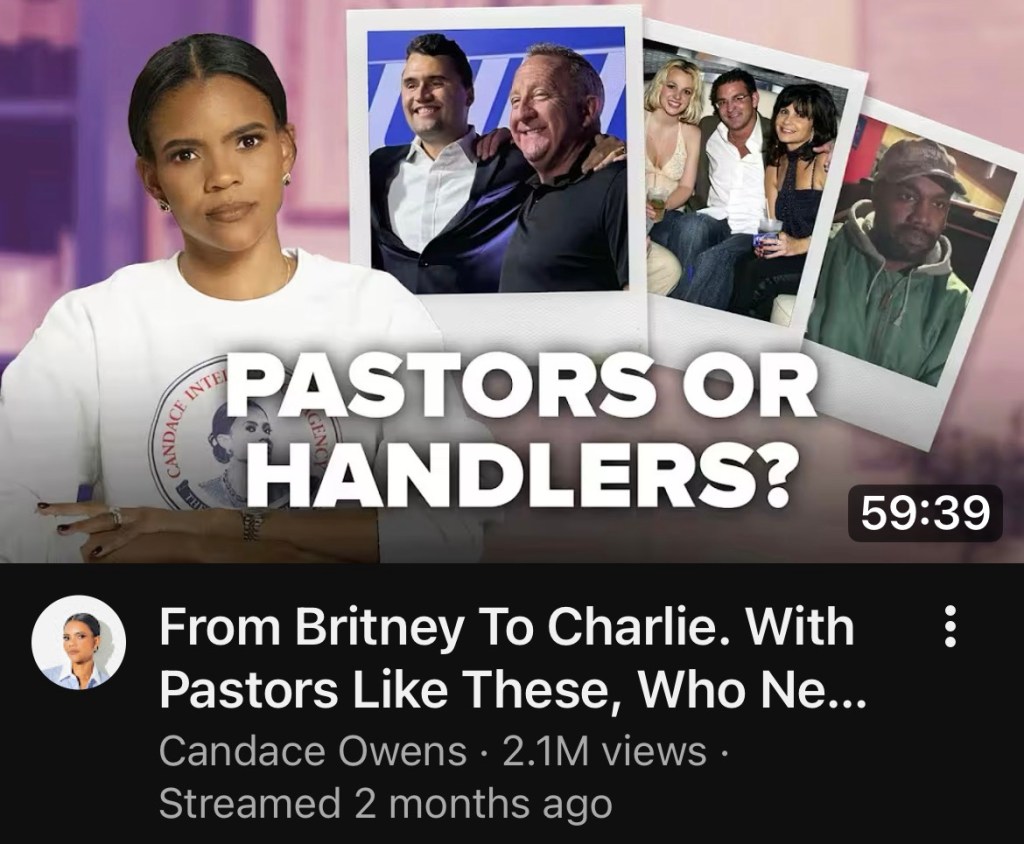
In late 2025, Candace Owens publicly exposed the role of Lou Taylor — including reported financial beneficiaries, religious institutions tied to dominionist ideology, and trips to Israel funded through Britney’s estate.
Almost immediately, something else happened.
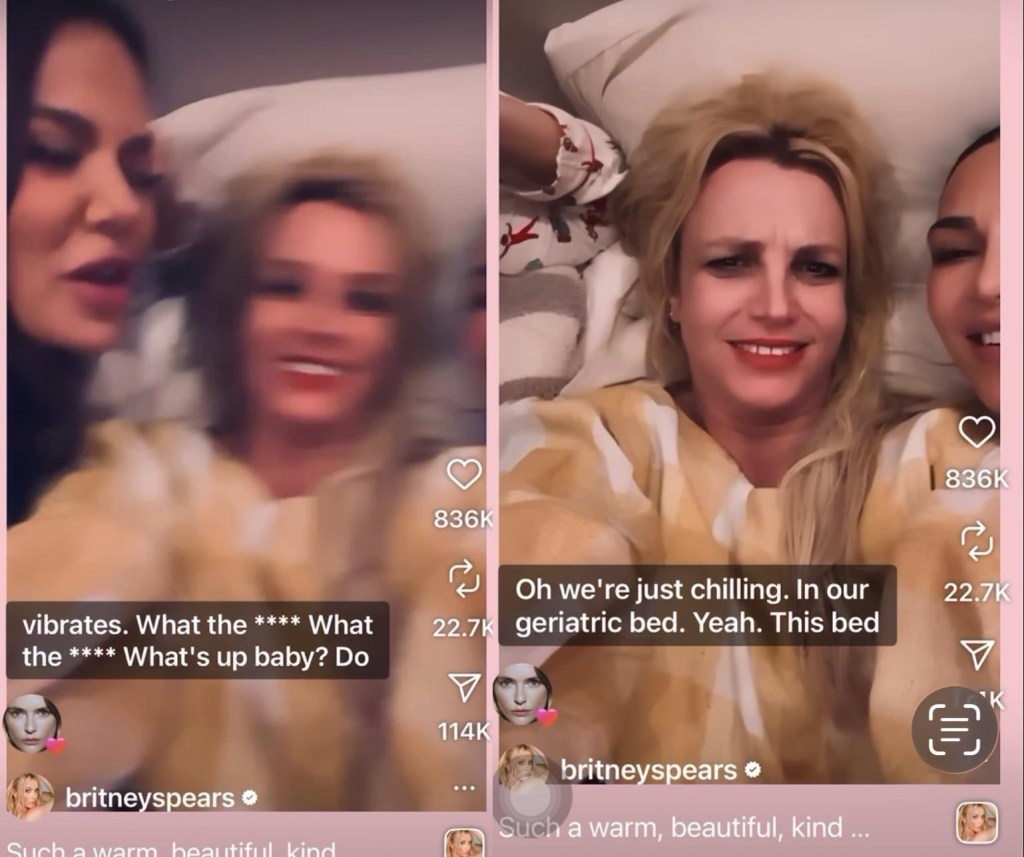
Britney was suddenly shown in bed with Kim Kardashian and Khloé Kardashian on her Instagram — figures widely understood to be close to Lou Taylor.
This was not a casual social moment.
It was the first time Britney had ever been publicly aligned with them.
The timing mattered.
It read as a message: We are still here.
That is how power reassures itself — through visibility.
A Quiet Signal
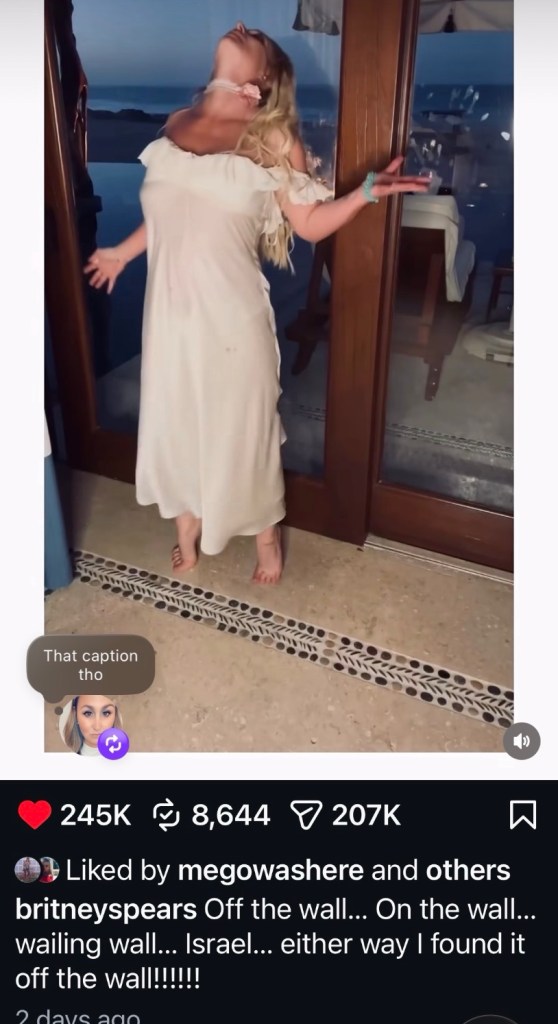
Weeks later, Britney made a quiet, almost throwaway remark about getting herself “off the wall of Israel.”
No press release.
No amplification.
No clarification.
Just enough to signal movement. Independence. A loosening.
That wasn’t random.
That was intentional.
Power notices when someone begins to step out of frame.
Why This Feels Familiar in Washington
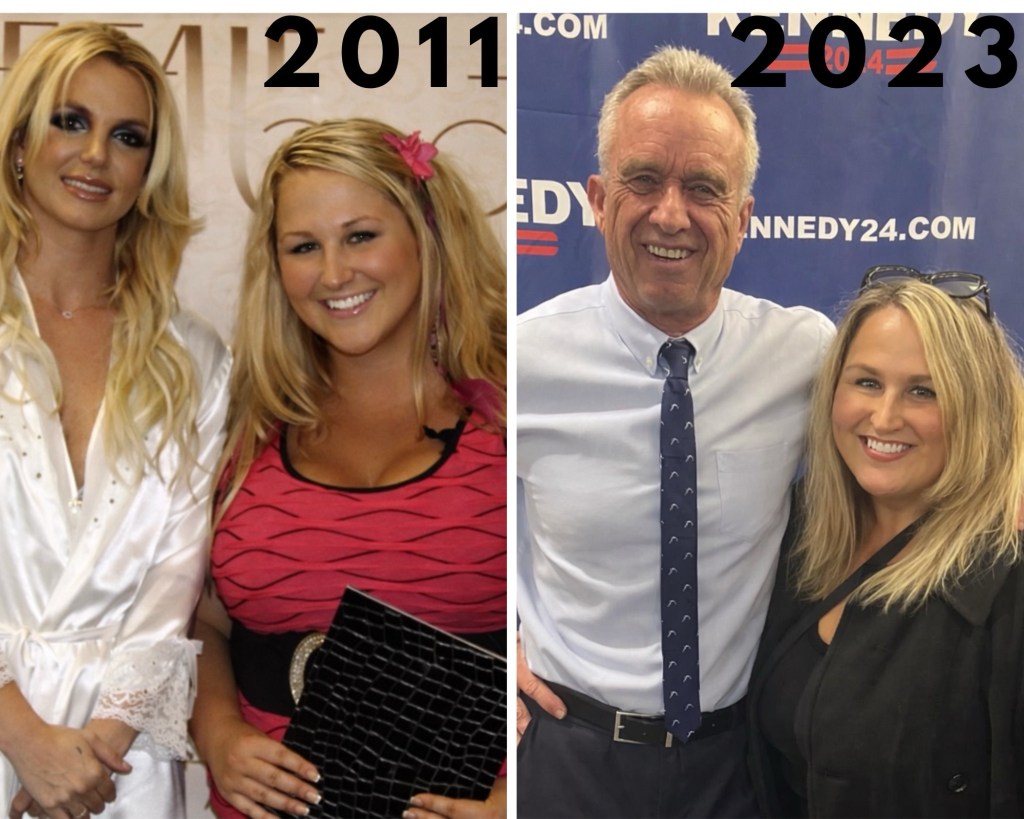
Listening to Robert F. Kennedy Jr. now, I hear the same distortion.
Kennedy’s life’s work was public health: environmental toxins, chronic disease, pharmaceutical capture, factory farming, regulatory corruption. That wasn’t branding — it was decades of legal and scientific focus.
So when his first major emphasis as Secretary became antisemitism — framed not as one issue among many, but as the moral centerpiece — followed by support for factory farming, whole-milk dairy surpluses in schools, Ozempic, and a sharp alignment with Israel, the contradiction wasn’t subtle.
It sounded like someone speaking around their own beliefs.
I don’t claim to know what pressure Kennedy is under. But in Washington, pressure rarely looks like a threat. It looks like leverage: kompromat, access, protection, reputational survival. The same machinery Marjorie Taylor Greene has alluded to when she talks about members of Congress being controlled rather than represented.
This is how empire maintains consensus — not by convincing, but by cornering.
The Hunger Games Effect
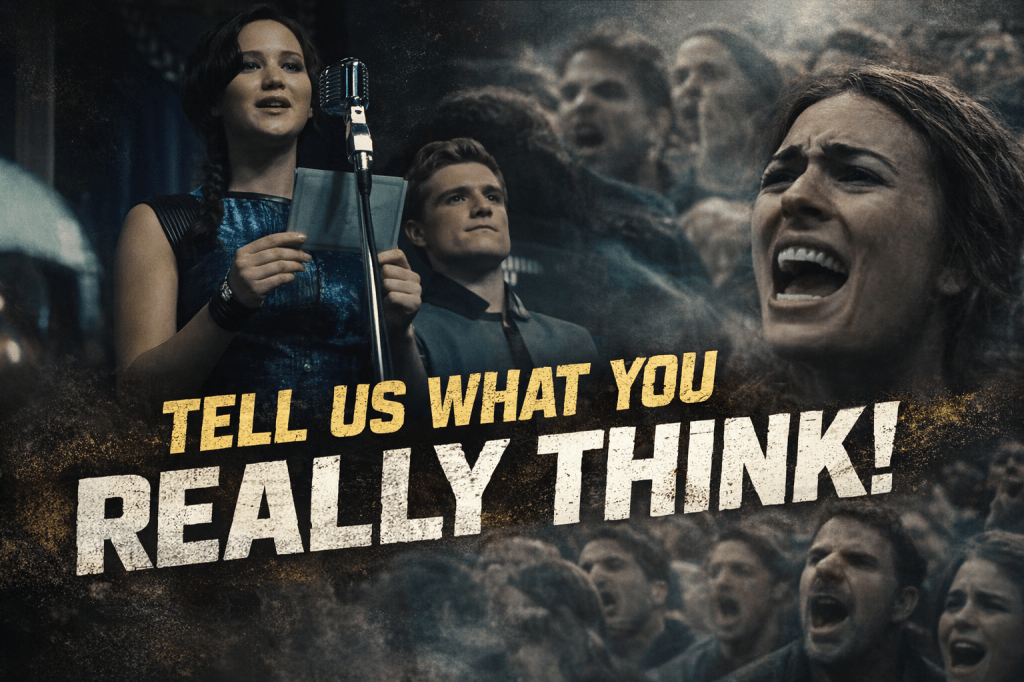
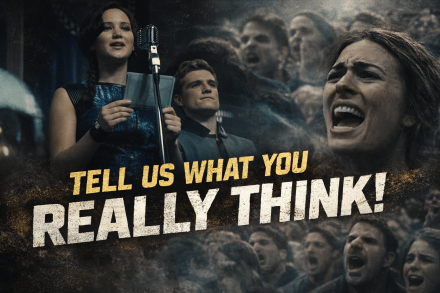
Watching Kennedy speak lately reminds me of The Hunger Games — when Katniss is forced to deliver speeches written for her, standing on stage under the eyes of President Snow, while the crowd shouts:
“Tell us what you really think!”
She isn’t lying.
She’s trapped.
That’s what coerced speech looks like.
The body is present.
The words are polished.
But the soul is elsewhere.
And the audience can feel it.
When Insiders Walk Away
What confirms this isn’t ideology — it’s reaction.
Health insiders who once stood with Kennedy — including Dr. Joel Kahn, who aligned with him during the pandemic and engaged him seriously on human health — are now publicly distancing themselves.
The new guidance being promoted is not health-forward.
It’s industry-forward.
When people who benefit from silence choose to speak anyway, something fundamental has shifted.
The Pattern
This isn’t about Britney.
It isn’t even about Kennedy.
It’s about systems that force alignment through fear, leverage, and symbolic obedience.
Britney’s story taught me that agency doesn’t vanish — it hides, signals, and waits.
Maybe one day we’ll hear the real story about the pressure Kennedy is under.
Maybe not.
But the pivots are real.
The contradictions are real.
And the audience is not stupid.
Time reveals what power tries to conceal.
Truth has a way of surfacing —
even when spoken through a borrowed script.
Mark my words.





 Julie Tourangeau