When Power Speaks Through You

By Julie Tourangeau | julietour.com

There is a particular sound to coerced speech.

It isn’t silence.

It isn’t lies.

It’s misalignment.

You can hear it when someone is speaking, but the words don’t belong to them.

Pattern Recognition: Clocking Misalignment in Behavior
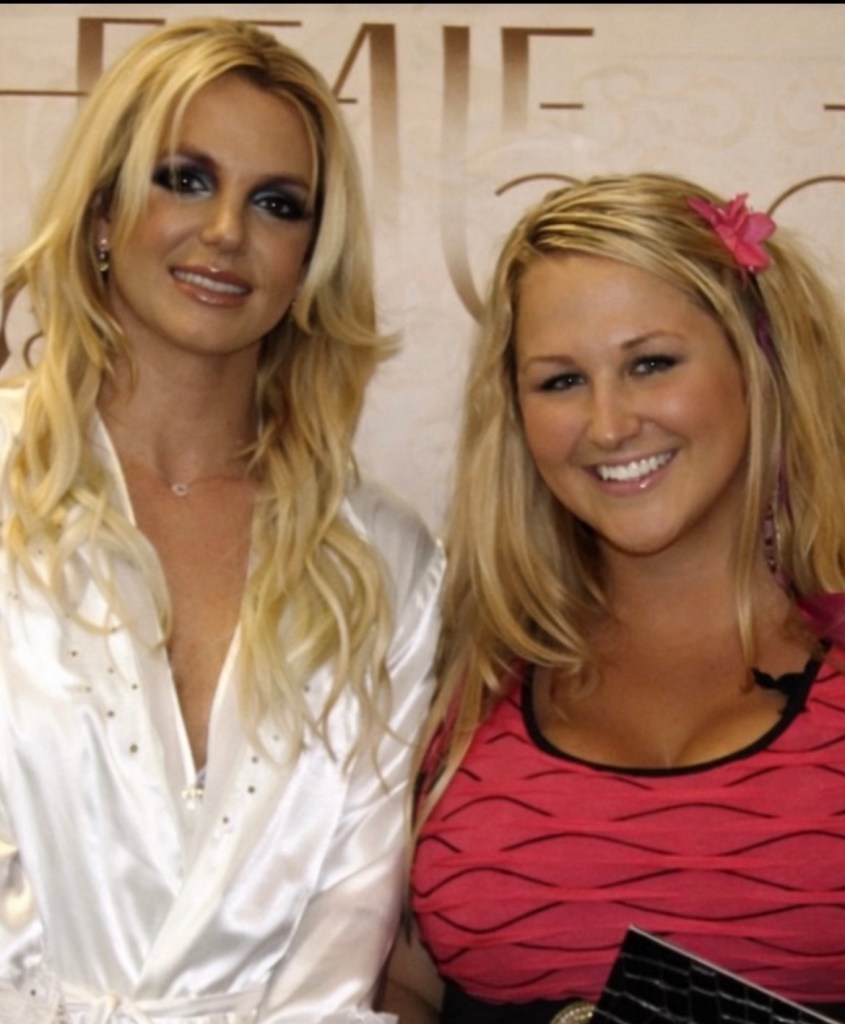
I met Britney Spears in 2011 during the height of her conservatorship.

I first recognized this sound in 2011, meeting Britney Spears during her Femme Fatale tour.

It wasn’t about her talent or her kindness — both were undeniable.

It was the unmistakable sense that there was power in the room that did not belong to her.

Something watching.

Something shaping the perimeter of what could be said, where she could stand, who she could be seen with.

She seemed frightened — not dramatically, not hysterically — but alert. Of everything. Of everyone.

I clocked it immediately.

Years later, the conservatorship made that feeling legible. But what’s often missed is how power communicated during that period — not through overt commands, but through symbolic proximity, forced alliances, and public signaling.

Messaging as a Leash
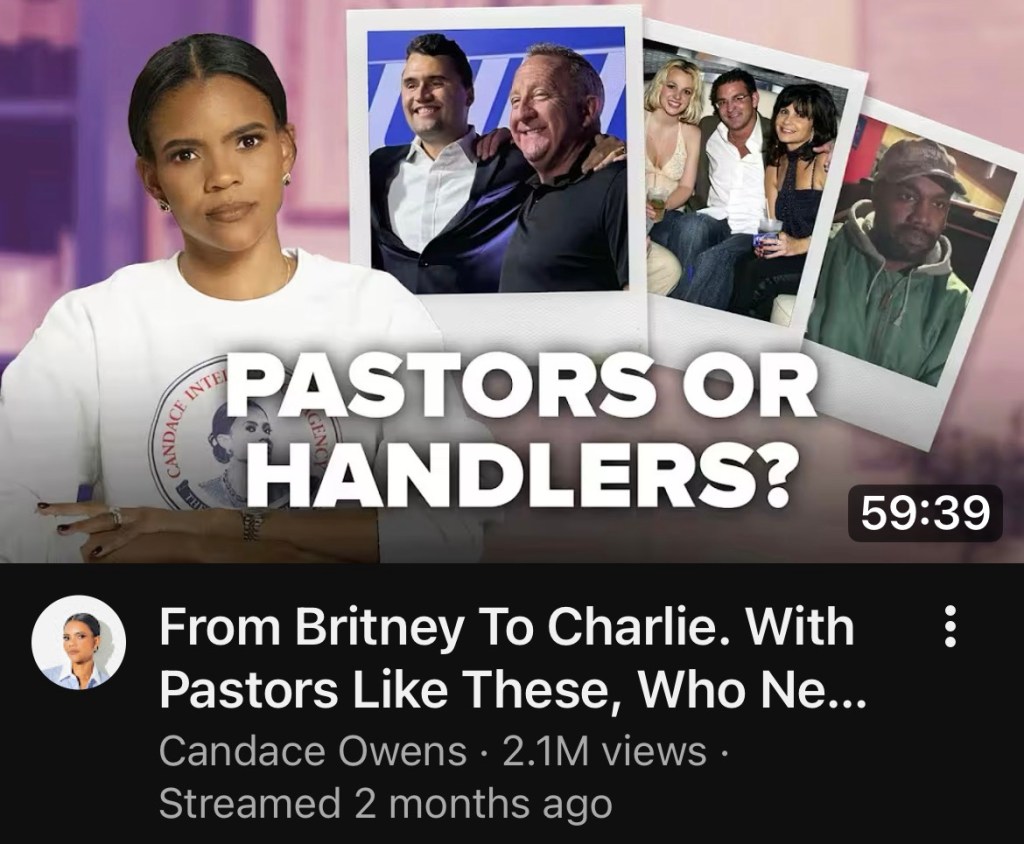
Candace Owens’ investigation into handlers, influence, and institutional power

In late 2025, Candace Owens publicly exposed the role of Lou Taylor — including reported financial beneficiaries, religious institutions tied to dominionist ideology, and trips to Israel funded through Britney’s estate.

Almost immediately, something else happened.
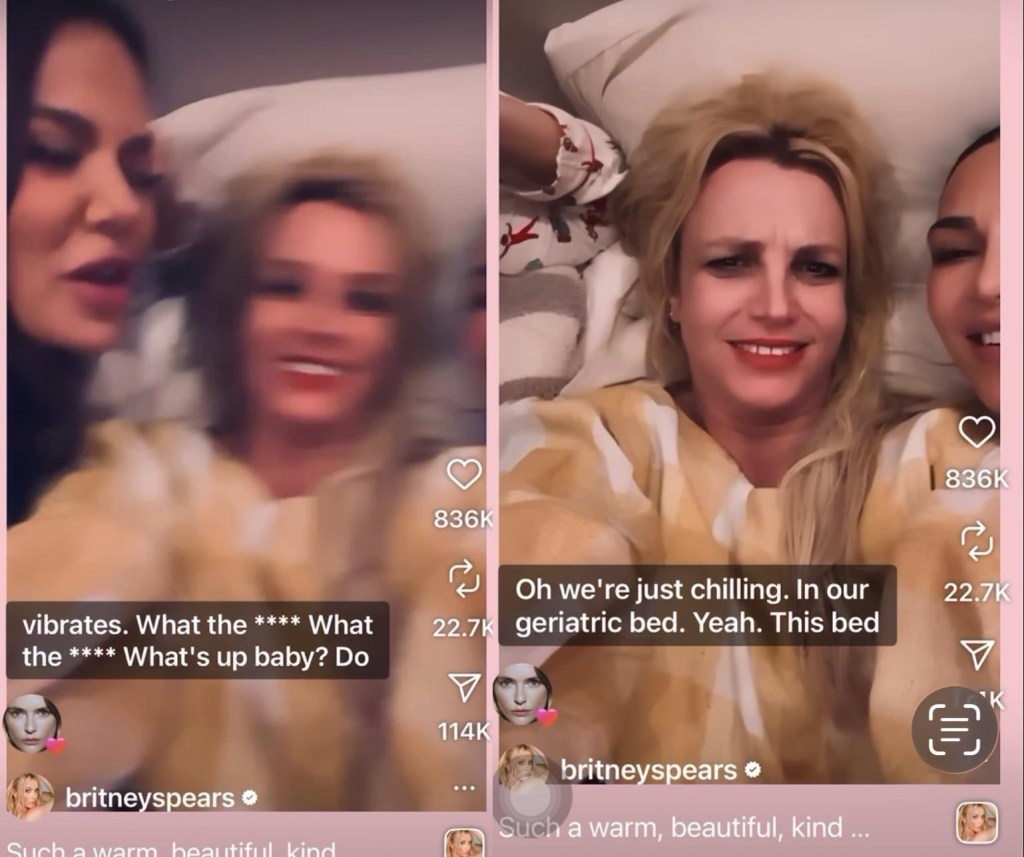
Britney posts herself in bed with the Kardashians the day after the episode aired.

Britney was suddenly shown in bed with Kim Kardashian and Khloé Kardashian on her Instagram — figures widely understood to be close to Lou Taylor.

This was not a casual social moment.

It was the first time Britney had ever been publicly aligned with them.

The timing mattered.

It read as a message: We are still here.

That is how power reassures itself — through visibility.

A Quiet Signal
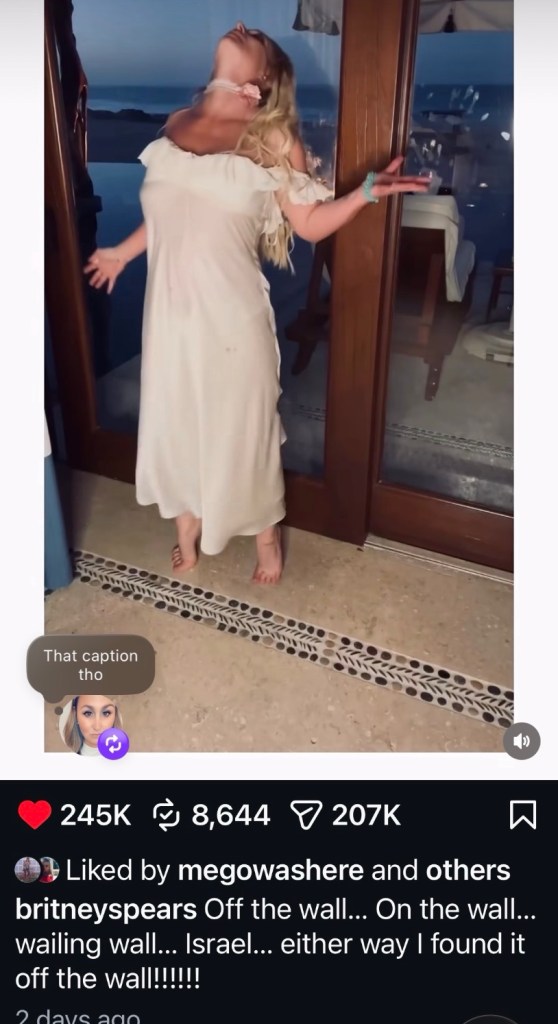
Britney Spears’ “off the wall” post — subtle, ambiguous, and telling.

Weeks later, Britney made a quiet, almost throwaway remark about getting herself “off the wall of Israel.”

No press release.

No amplification.

No clarification.

Just enough to signal movement. Independence. A loosening.

That wasn’t random.

That was intentional.

Power notices when someone begins to step out of frame.

Why This Feels Familiar in Washington
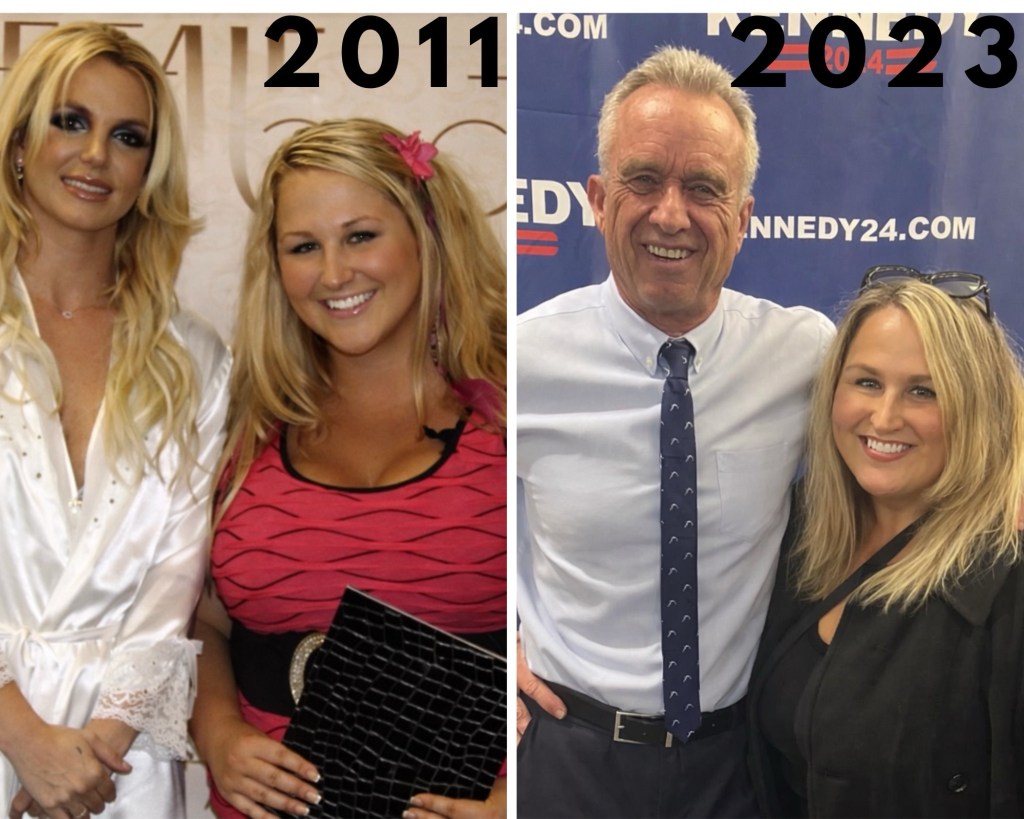
2011 vs. 2023 — Public proximity over time

Listening to Robert F. Kennedy Jr. now, I hear the same distortion.

Kennedy’s life’s work was public health: environmental toxins, chronic disease, pharmaceutical capture, factory farming, regulatory corruption. That wasn’t branding — it was decades of legal and scientific focus.

So when his first major emphasis as Secretary became antisemitism — framed not as one issue among many, but as the moral centerpiece — followed by support for factory farming, whole-milk dairy surpluses in schools, Ozempic, and a sharp alignment with Israel, the contradiction wasn’t subtle.

It sounded like someone speaking around their own beliefs.

I don’t claim to know what pressure Kennedy is under. But in Washington, pressure rarely looks like a threat. It looks like leverage: kompromat, access, protection, reputational survival. The same machinery Marjorie Taylor Greene has alluded to when she talks about members of Congress being controlled rather than represented.

This is how empire maintains consensus — not by convincing, but by cornering.

The Hunger Games Effect

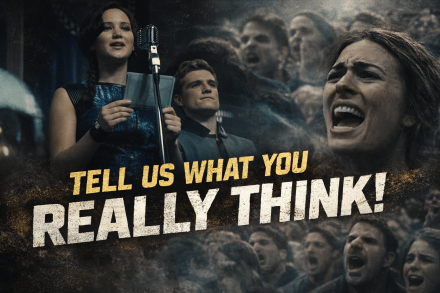
“Tell us what you really think!” – The Hunger Games, Catching Fire

Watching Kennedy speak lately reminds me of The Hunger Games — when Katniss is forced to deliver speeches written for her, standing on stage under the eyes of President Snow, while the crowd shouts:

“Tell us what you really think!”

She isn’t lying.

She’s trapped.

That’s what coerced speech looks like.

The body is present.

The words are polished.

But the soul is elsewhere.

And the audience can feel it.

When Insiders Walk Away

What confirms this isn’t ideology — it’s reaction.

Health insiders who once stood with Kennedy — including Dr. Joel Kahn, who aligned with him during the pandemic and engaged him seriously on human health — are now publicly distancing themselves.

The new guidance being promoted is not health-forward.

It’s industry-forward.

When people who benefit from silence choose to speak anyway, something fundamental has shifted.

The Pattern

This isn’t about Britney.

It isn’t even about Kennedy.

It’s about systems that force alignment through fear, leverage, and symbolic obedience.

Britney’s story taught me that agency doesn’t vanish — it hides, signals, and waits.

Maybe one day we’ll hear the real story about the pressure Kennedy is under.

Maybe not.

But the pivots are real.

The contradictions are real.

And the audience is not stupid.

Time reveals what power tries to conceal.

Truth has a way of surfacing —

even when spoken through a borrowed script.

Mark my words.
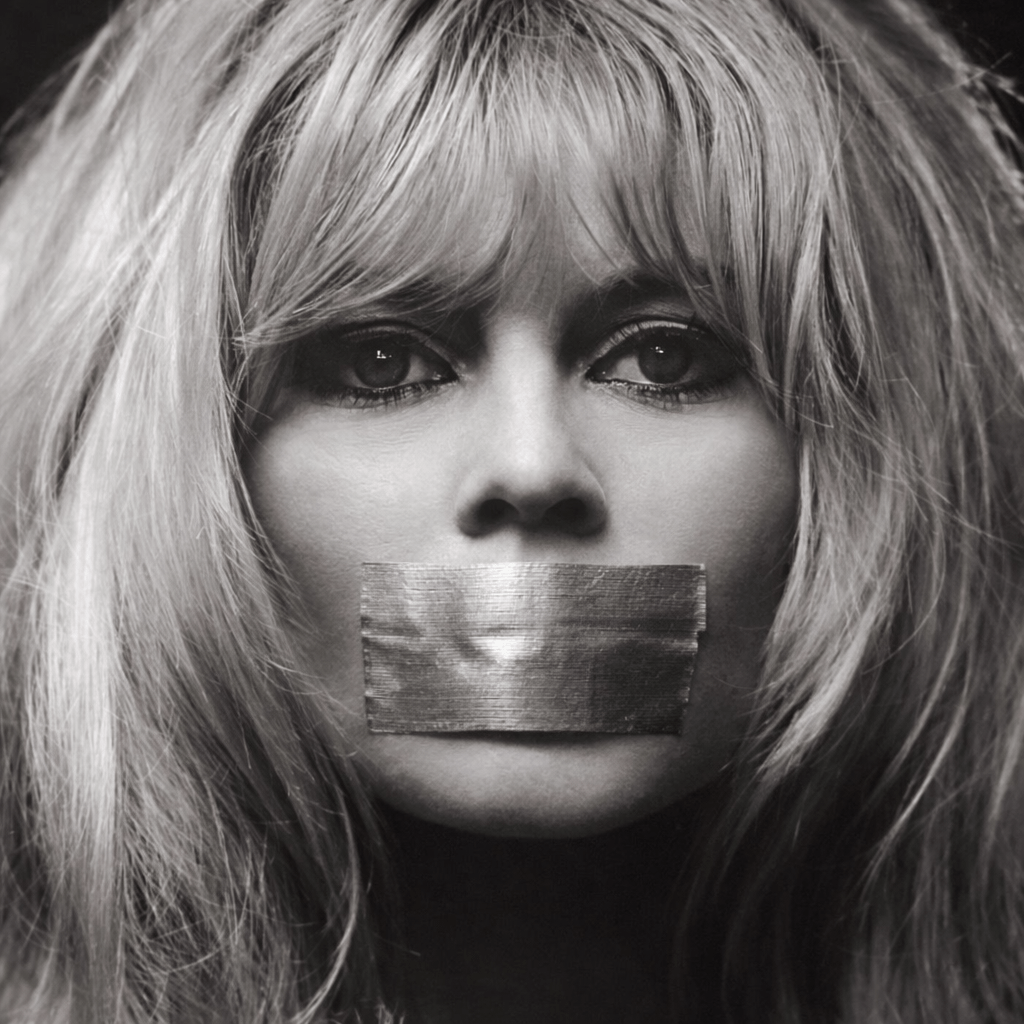
Would France Fine Jesus for Stopping the Slaughter? Examining the Brigitte Bardot Free-Speech Scandal

By Julie Tourangeau | julietour.com

There are moments when a cultural controversy reveals far more than the headline suggests. The legal battles surrounding Brigitte Bardot are one of those moments—not because everyone agrees with her, but because of what her punishment exposes about the boundaries of conscience, dissent, and speech.

Bardot has long been labeled far right, dangerous, or racist in popular shorthand. But that framing collapses under even minimal scrutiny.

Her most controversial comments—those that led to repeated fines in France—were driven by a core obsession: her opposition to religious ritual slaughter of animals, and the exemptions that allow it to continue.

Not a rejection of human worth.

Not a call for violence.

Not an argument for cruelty toward people.

But a moral objection to practices she believed normalized suffering.

And yet, she was fined.

That should give us pause.

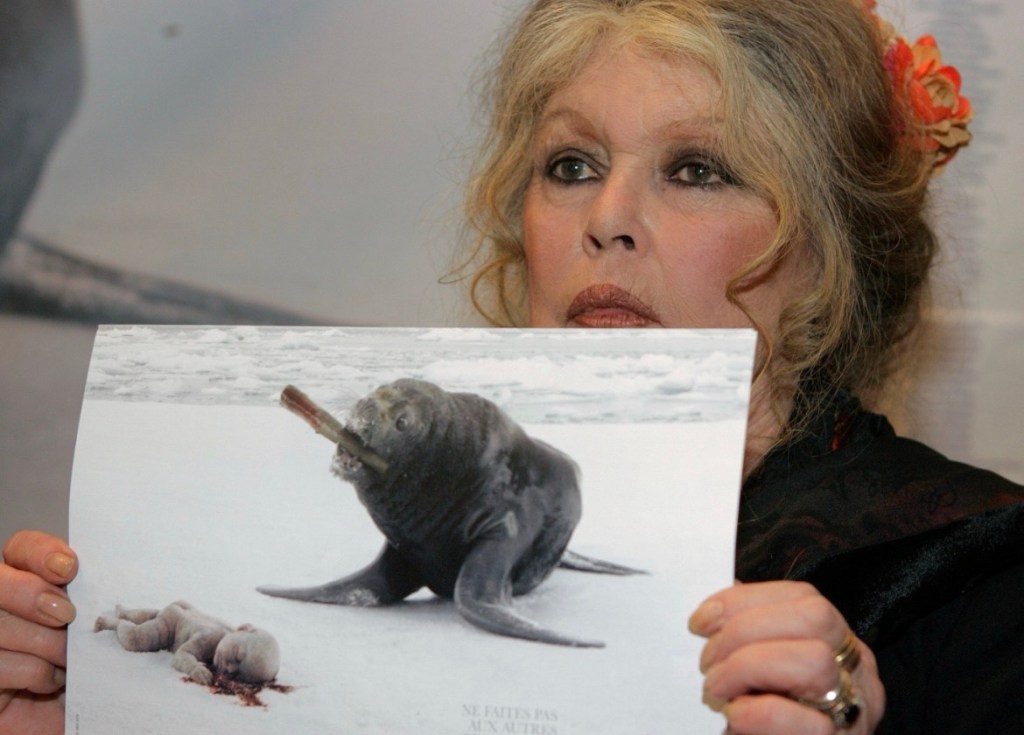
Brigitte Bardot’s activism has long centered on animal welfare—yet her speech became a criminal matter. (AFP/Fabrice Coffrini)

What Bardot Was Actually Criticizing

For decades, Bardot has been a fierce animal-rights advocate. She has criticized:

-Industrial factory farming

-State-sanctioned cruelty toward animals

-Religious exemptions that allow slaughter methods outside general animal-welfare laws

Her objections were ethical, not racial. She spoke about practices, not people. And she applied her critique consistently—across traditions, industries, and ideologies.

She has even publicly criticized American conservatism and figures on the U.S. right, complicating the lazy attempt to categorize her as some kind of ideological extremist.

And yet, in France, intent is not the threshold. Impact is.

Under French hate-speech laws, speech that is deemed to stigmatize a protected group—even indirectly—can be criminally punished. Bardot’s language, the courts ruled, crossed that line.

The result? Fines. Convictions. A legal record.

Not for inciting violence—but for offending.

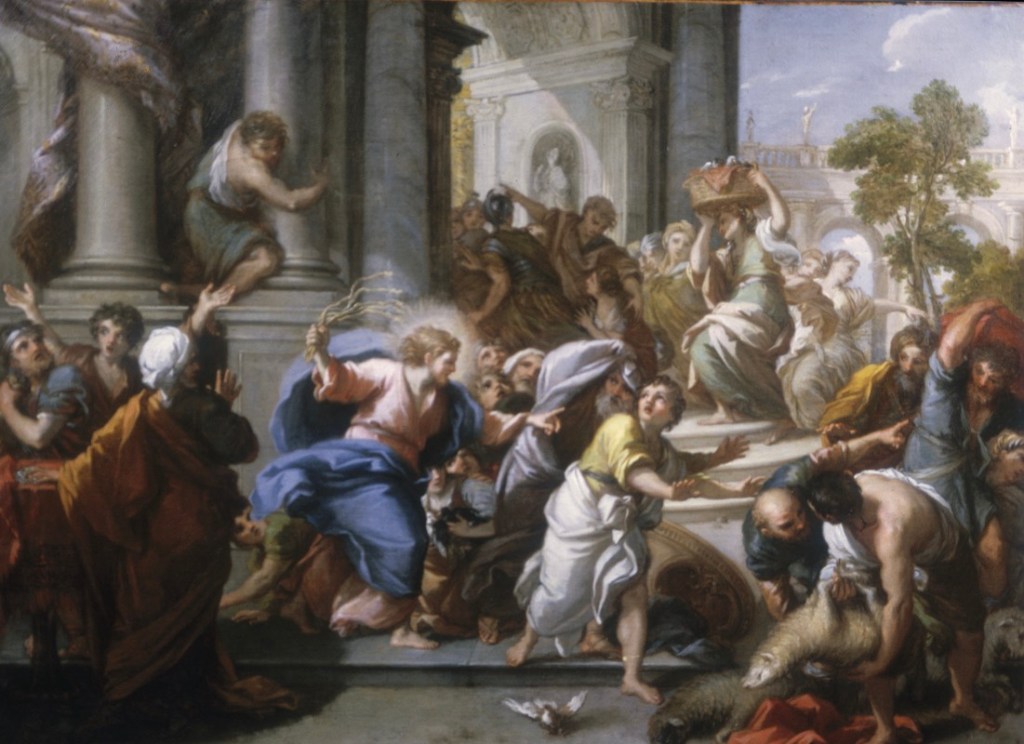
The cleansing of the temple: moral confrontation, not polite dissent.

The Question We’re Afraid to Ask

Which brings us to a question that makes many people uncomfortable—but shouldn’t.

In the Gospels, Jesus does something extraordinary. He enters the temple and disrupts what had become a sanctioned system of exploitation and slaughter. He overturns tables. He drives people out. He condemns the normalization of harm—done in the name of religion.

This was not gentle speech.

It was not neutral.

It was not “inclusive” by modern bureaucratic standards.

It was moral confrontation.

So the question becomes unavoidable:

If Jesus did that today—if he publicly condemned ritual slaughter in the name of compassion—would France fine him too?

Under current law, depending on how his words were interpreted and who felt collectively targeted, the answer is disturbingly close to yes.

That should trouble anyone who believes moral progress requires the freedom to challenge tradition.

Criticizing Practices Is Not Attacking People

Somewhere along the way, we lost a crucial distinction:

People are not practices.

You can love human beings deeply while still questioning customs, doctrines, and systems that cause harm. In fact, that is how ethical evolution has always occurred.

Religious traditions themselves are not static. Many believers—Muslim, Jewish, Christian, and otherwise—are actively debating animal welfare, compassion, and the future of ritual practices. That debate is not hatred. It is conscience at work.

Silencing it does not protect faith.

It freezes it.

When conscience meets the law, who decides what may be said?
Illustration by Matteo Giuseppe Pani / The Atlantic.

France, America, and the Limits of Speech

This controversy highlights a real and often ignored contrast.

In the United States, freedom of speech is protected precisely because it allows uncomfortable ideas to surface. The remedy for bad speech is more speech, not state punishment.

In France, the state plays a far more active role in determining what may be said when protected groups are implicated. The intention behind this is understandable—but the consequences matter.

Once speech is punished not for violence, but for moral disagreement, a dangerous precedent is set.

Because today it is an actress.

Tomorrow it could be a philosopher.

A theologian.

A reformer.

Or someone simply asking the wrong question out loud.

The Slippery Slope Is Not Theoretical

History is full of examples where moral dissent was first labeled “dangerous” before being recognized as necessary.

Abolitionists were once radical.

Women demanding the vote were once threats.

Nonviolent resistance has always made systems uncomfortable.

Jesus himself was not executed for kindness—but for disruption.

When societies conflate disagreement with bigotry, they don’t just silence extremists. They silence reformers.

A Clarification That Shouldn’t Be Necessary—But Is

For the record, and because accusations have replaced dialogue in modern discourse: I am marrying into a Muslim family. This is not about fear of the “other.” It is about preserving the right to question systems that normalize harm, regardless of who upholds them.

Ethics cannot be outsourced to tradition alone.

Compassion cannot be selectively applied.

If we lose the ability to speak honestly about that—without fines, labels, or legal threats—then freedom of conscience becomes conditional.

And history tells us where that leads.

The Question That Remains

The issue is not whether speech should be responsible.

It should be.

The issue is who decides when moral conviction becomes a crime.

Because if compassion itself becomes punishable, then yes—we should be willing to ask plainly:

Would France fine Jesus for stopping the ritual slaughter?

This essay is dedicated to the memory of Brigitte Bardot—whose uncompromising advocacy for animals forced uncomfortable but necessary questions about conscience, compassion, and the cost of speaking openly in modern society.