When it comes to oral health, we often focus on brushing, flossing, and the occasional dentist visit. But what if your diet could be doing even more for your teeth than toothpaste ever could? Specifically, a plant-based diet—especially vegetarianism—might be influencing the health of your teeth and gums in surprising ways.
Recent studies show that a vegetarian diet can positively affect the microbiology of your mouth and even alter the composition of your saliva, which plays a crucial role in keeping your mouth clean and free from harmful bacteria. Saliva is not just water; it’s filled with enzymes, proteins, and minerals that help fight tooth decay, neutralize acids, and support the overall health of your oral environment.
For people on plant-based diets, the types of foods consumed—rich in fruits, vegetables, and fibers—can boost saliva production and encourage the growth of beneficial bacteria. This microbiome shift could potentially help reduce plaque buildup and lower the risk of cavities, gum disease, and even bad breath. By contrast, diets high in animal products often contribute to higher acidity in the mouth, which can damage enamel and promote the growth of harmful bacteria.
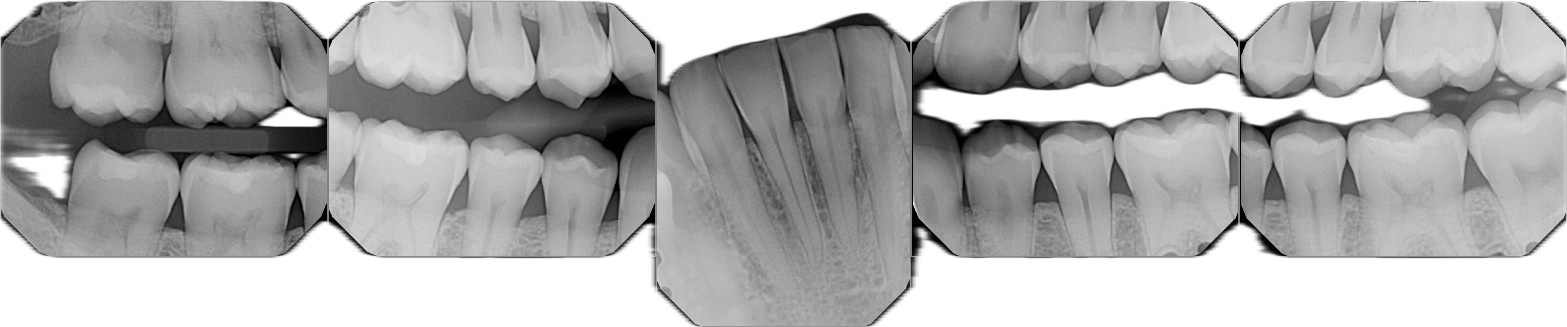
This brings up an interesting question: Are we even meant to eat meat? Given the overwhelming dental health benefits of a vegetarian diet—especially when looking at the example of someone in their late 30s without a cavity versus meat-eating relatives with serious dental issues—one might argue that a plant-based diet could be more beneficial for your teeth than any toothpaste on the market.
If your diet is affecting the health of your mouth in this profound way, maybe it’s time to rethink what we put on our plates. It’s not just about brushing twice a day—it’s about nourishing your body and mouth with the right foods. After all, what you eat literally changes the composition of your saliva, which directly impacts your oral health. So, perhaps the best “oral care routine” starts with what’s on your fork, not just in your bathroom cabinet.
In the end, maybe it’s time to ask: Can vegetarianism be the natural tooth care you’ve been searching for? Or better yet—should we be questioning if a diet that includes meat is truly the healthiest choice for our teeth?
Disclaimer: Not Medical Advice
The information shared in this post is intended for general informational purposes only and is not a substitute for professional medical or dental advice. Always consult with a qualified healthcare provider or holistic dentist to address any concerns or questions about your oral health and diet. Your dentist can provide personalized recommendations tailored to your specific needs.
 Julie Tourangeau